Matt Judkins wrote a post a few weeks ago on the doctrine of entire sanctification. He makes a really good point: The doctrine of entire sanctification is often scrutinized in a way that few other things are. Matt presses back in order to refocus ordinary Christians on the “incredible optimism regarding what grace is able to do.”
Among other things, an emphasis on entire sanctification is an antidote to a misunderstanding or distortion of the gospel that too much of the American church has believed for too long.
The misunderstanding goes like this:
Being a Christian is just inviting Jesus to be your lord and savior, being saved from your sins, and going to heaven when you die.
It’s kind of like fire insurance. You don’t have to do anything differently now. But you get a payoff when things go sideways.
Oh, except, you are also clearly supposed to know that there is a right and wrong. So, you will feel guilty, more guilty in fact than before you became a Christian, every time you do something that you know is wrong and violates God’s will.
Sin. Feel bad. Don’t change.
That does not sound like good news.
One reason this thin articulation of the gospel became so widespread in the American church was from the well-intentioned desire to protect against works righteousness.
To be fair, I don’t think there are many passionate and thoughtful advocates leading in the church today who would advocate explicitly for this distortion.
But I do think this view has deeply influenced the American church.
And far too many American Christians believe this thin emaciated “gospel.”
Jesus will forgive you but doesn’t really change you.
This is not merely a misunderstanding of the gospel. It is missing the power of the gospel.
So, what actually is the gospel?
The goal of the Christian life is becoming a disciple of Jesus.
What does that really mean? It means learning how to live your life so that what you think, feel, say, and do is what Jesus would do if he were in your shoes.
And the gospel is what it means, good news, because we can really become faithful followers of Jesus in this life.
Moreover, the misunderstanding of the gospel is not the message of Jesus. Matthew 7:13-27, which is the conclusion of the Sermon on the Mount, is one example:
13 “Enter by the narrow gate. For the gate is wide and the way is easy that leads to destruction, and those who enter by it are many. 14 For the gate is narrow and the way is hard that leads to life, and those who find it are few.
15 “Beware of false prophets, who come to you in sheep’s clothing but inwardly are ravenous wolves. 16 You will recognize them by their fruits. Are grapes gathered from thornbushes, or figs from thistles? 17 So, every healthy tree bears good fruit, but the diseased tree bears bad fruit. 18 A healthy tree cannot bear bad fruit, nor can a diseased tree bear good fruit. 19 Every tree that does not bear good fruit is cut down and thrown into the fire. 20 Thus you will recognize them by their fruits.
21 “Not everyone who says to me, ‘Lord, Lord,’ will enter the kingdom of heaven, but the one who does the will of my Father who is in heaven. 22 On that day many will say to me, ‘Lord, Lord, did we not prophesy in your name, and cast out demons in your name, and do many mighty works in your name?’ 23 And then will I declare to them, ‘I never knew you; depart from me, you workers of lawlessness.’
24 “Everyone then who hears these words of mine and does them will be like a wise man who built his house on the rock. 25 And the rain fell, and the floods came, and the winds blew and beat on that house, but it did not fall, because it had been founded on the rock. 26 And everyone who hears these words of mine and does not do them will be like a foolish man who built his house on the sand. 27 And the rain fell, and the floods came, and the winds blew and beat against that house, and it fell, and great was the fall of it.”
One of the greatest challenges, and opportunities, facing the American church is helping people who profess faith in Jesus to learn how to follow his teaching and become like him.
It is possible. Jesus has made the way. It is not about our ability to do the work. It is about the promises of the New Testament and what Jesus has already done on our behalf.
In his sermon “On Working Out Our Own Salvation,” John Wesley addressed the connection between the work God does and the work we do, and the concern for works righteousness:
“We shall then see there is no opposition between these, “God works; therefore, do we work;” but, on the contrary, the closest connexion; and that in two respects. For, First, God works; therefore you can work. Secondly, God works, therefore you must work.”
If not for Jesus, salvation would be impossible. Because of the work Jesus has done, we can be justified and sanctified. We can be forgiven and made like Christ.
It is time for the church to wake up from its slumber and get back to its mission: Making disciples of Jesus Christ.
Disciple means follower or apprentice. It does not mean a passive recipient of forgiveness who continues to be a willful sinner.
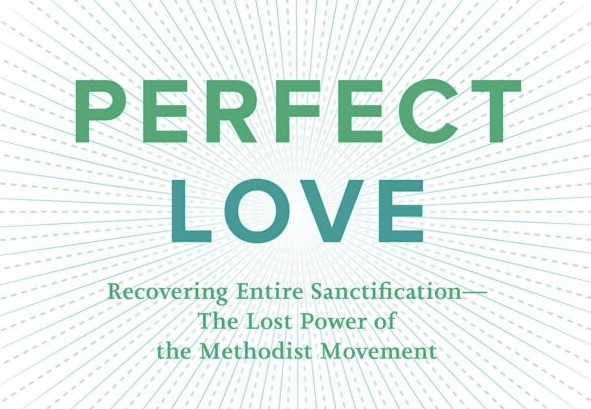
P.S. If you do click through, you’ll see that Matt cites a piece I wrote, “What Is Entire Sanctification,” that was published by Seedbed. The piece is actually an excerpt Seedbed published from my book Perfect Love. If you want to know more about the doctrine of entire sanctification, you should buy my book. It is an accessible and easy to read introduction to the most distinctive belief of Wesleyan Christians.
Kevin M. Watson is a Pastor and the Senior Director of Christian Formation at Asbury Church in Tulsa, OK. He is also on the faculty at Asbury Theological Seminary, anchoring the Seminary’s Tulsa, OK Extension Site. His most recent book, Doctrine, Spirit, and Discipline describes the purpose of the Wesleyan tradition and the struggle to maintain its identity in the United States. Affiliate links, which help support my work, used in this post.
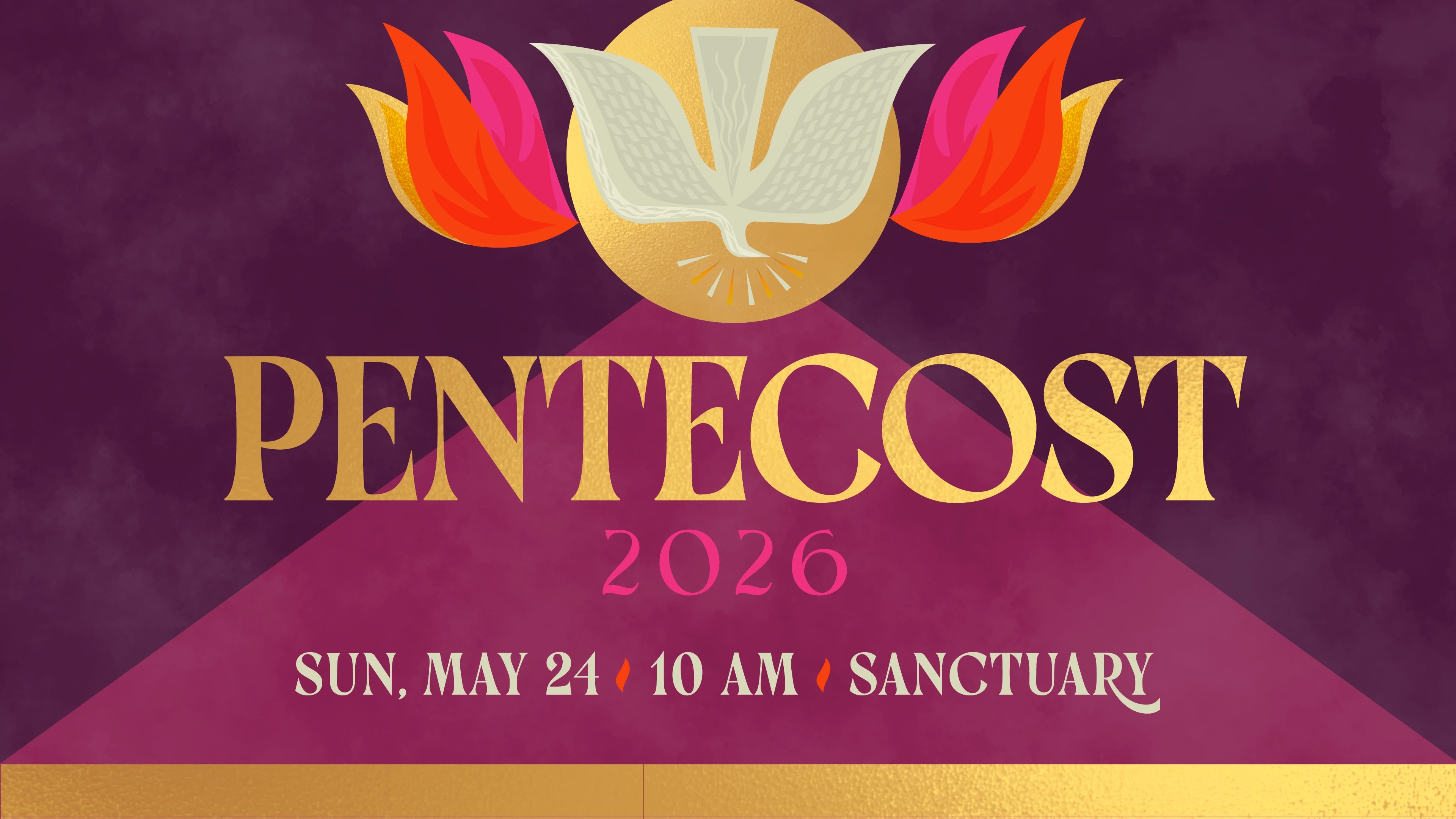
On May 24, 2026, Asbury Church started a new ecclesial network we are calling The Asbury Connection. The name is in honor of Francis Asbury, the father of American Methodism.
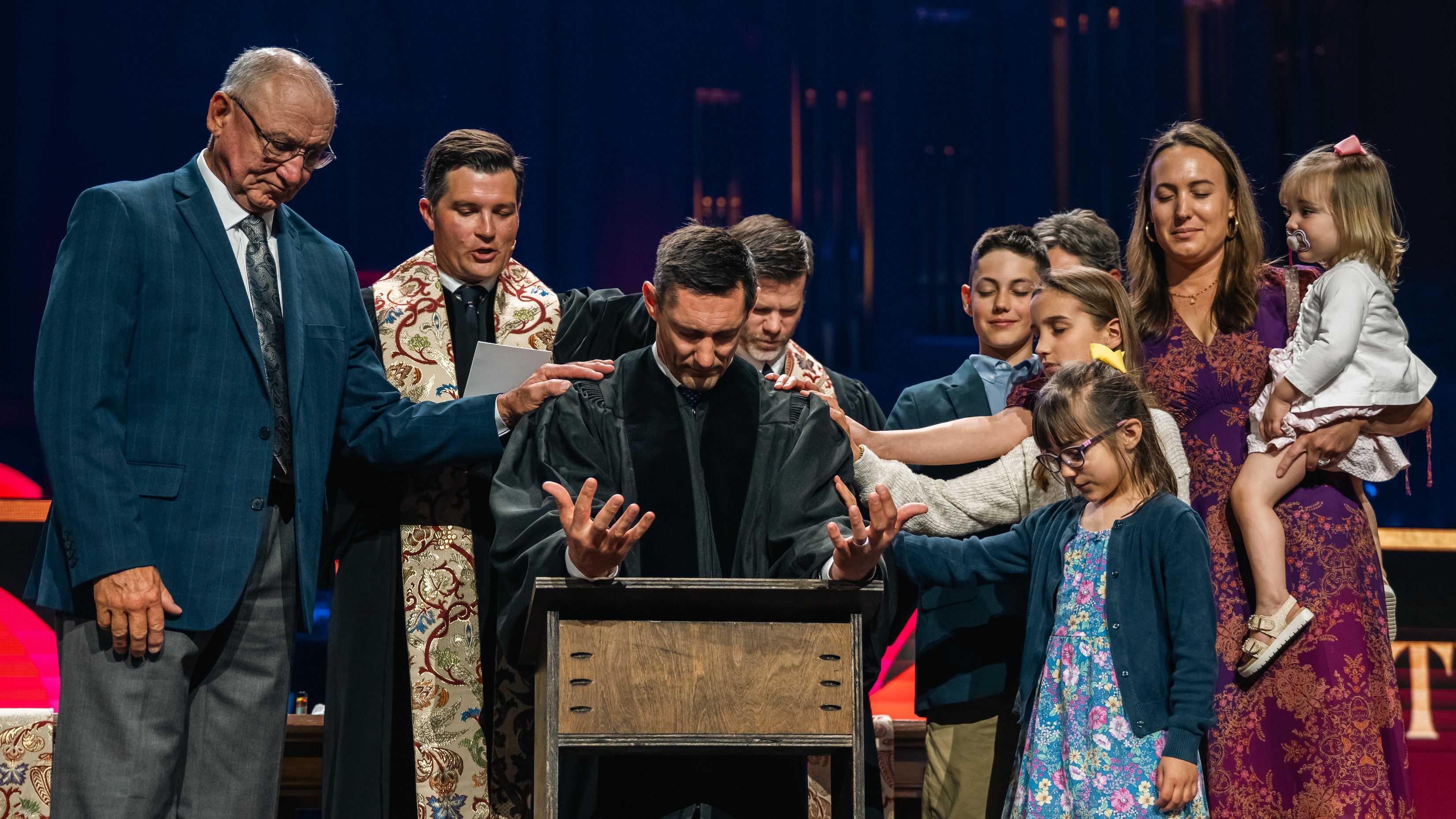
On that day, I participated with Rev. Andrew Forrest, the senior pastor of Asbury Church, in a service of ordination where we ordained four of our pastors deacons and three of them elders. We also recognized the ordination of one of our pastors, who was previously ordained in the Wesleyan Church.
Considering that I was ordained in the United Methodist Church and was teaching in a United Methodist seminary not that long ago, this was a big step for me that I did not take lightly.
In this post, I want to share why:
I decided to do this.
I am excited about what is happening at Asbury Church.
I am hopeful about the future.
You should consider joining us.
Before I share these things, let me offer the clarity that this post is an articulation of my own views. I am not speaking on behalf of Asbury Church or the Asbury Connection.
Why I decided to transfer my ordination to the Asbury Connection
I moved to Tulsa soon after Asbury Church voted to withdraw from the United Methodist Church. I missed some of the first conversations we had with various denominations that we considered partnering with after disaffiliation. But I was present and participated in most of the conversations over the course of a 3.5-year discernment process.
During that season, we asked: Which denomination or group or structure is asking the right questions? What group would best set Asbury up to reach the nations for Christ? Where would we be most fruitful and faithful? Which structure is best suited to help churches fulfill the Great Commission in 21st-century America?
I agreed with the discernment of the leadership of Asbury Church that the right connection or denomination did not exist for Asbury. And so, we came to the conclusion that it was our God-given responsibility to start the new connection that we ourselves have been searching for.
I have always had a hard time ignoring the elephant in the room. The most obvious place for Asbury to have joined, by far, was the Global Methodist Church. For now, I will just say that we invested significant time and energy trying to find a path that would work for us to join the GMC. Ultimately, what would have worked for us did not work for the GMC. Deciding not to join the GMC was not a flippant decision that was made lightly.
I am at peace about that. I have many friends in the Global Methodist Church. I am for them and for their ministries. And I will continue to do what I can to serve the GMC as I’m invited to do so.
I stood with Andrew in ordaining our pastors because I believe it was the next right step for us to take. If you are interested in why I am convinced bishops are not necessary for ordination in the Wesleyan tradition, check out this post.
Why I am excited about what is happening at Asbury Church
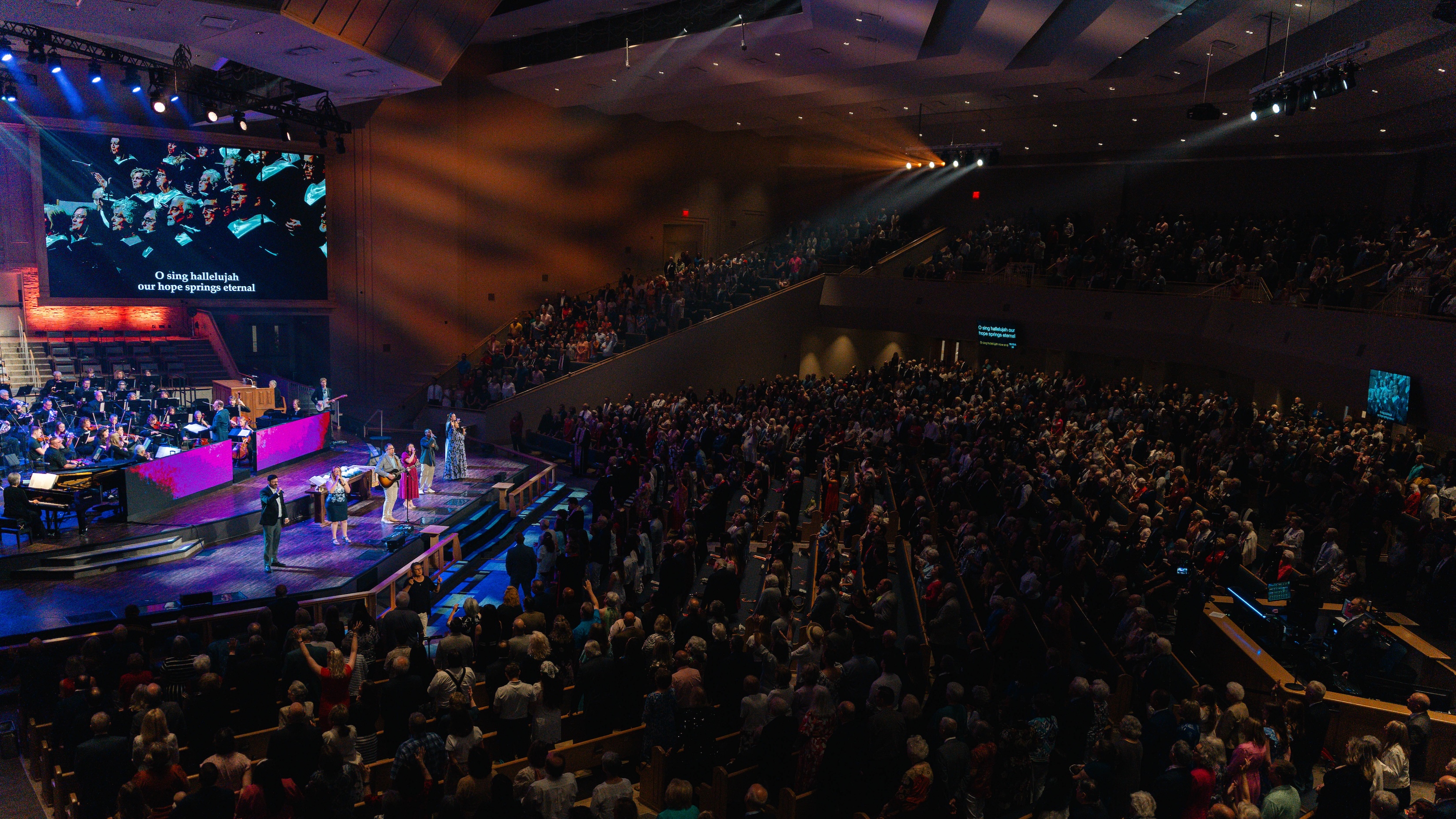
Asbury is growing and there is a lot of energy and excitement around the church on Sundays in particular. It is fun to be leading at a healthy and growing church.
This weekend, we had 2,993 people in person in worship. That is an 11.2% increase from 1 year ago.
At Asbury Church, we work hard and it is good for staff morale when there is tangible evidence that we are winning.
A brief explanation about how we count attendance: We have overhead cameras that take photos of the room and we count noses. The noses we count are literally the noses in the room in worship, not adult education classes, student ministry, or children’s ministry. We do not count online views of livestreams or recordings of worship services in our attendance numbers. In fact, at Asbury we say, “Online church isn’t.” This is an important clarification because many churches do include online numbers in the way they report attendance, which can give a very different mental picture of what is happening on a Sunday morning than what you would experience if you showed up in person. When we say we had 2,993 people in worship last Sunday, we literally mean we counted 2,993 people in the room during our four worship services.
This is a big deal for me and a great example of why I am excited about the Asbury Connection. I do not want to be a part of an institution that encourages disembodied and gnostic spirituality by encouraging people to think of watching a screen as participation in the Body of Christ. And I do not want to be part of an institution that encourages dishonest or manipulative speech that distorts reality. The tendency in denominations I’ve been a part of to encourage counting online views of livestreams of worship, or to count every person who comes into the church at any point for any reason as part of the worship attendance numbers, feels too close to manipulating or distorting reality for my comfort. (We do track attendance in our Adult Discipleship Communities and our children’s and student ministry. We simply do not count it in our worship attendance, because that is not what it is.)
All that to say, I am excited to be at a church that is honest and straightforward in how it counts worship attendance.
As soon as you talk about numbers in terms of growth, especially at larger churches, there will be someone who offers a critique like: “Oh, so, you only care about numbers?”
No. We care about numbers because each number is a person.
Decline happens. It sometimes happens when everyone involved is doing the best they can, but the demographic trends are all working against them. My issue was being a part of an institution that had seen decline every single year of its existence and had come to frame its slow death as a virtue.
In some interactions outside of Asbury Church, there is an assumption that we think we are better than everyone that is smaller than us. We don’t. We say all the time that large churches are not better than medium and small churches. And we mean that. I pastored a small church right out of seminary. I learned a ton. The people were amazing. And because of their context, they are never going to be a large church. That church was faithful and it was not less faithful because of its average attendance numbers.
Large churches are not better than small churches. But they are different. We think about the difference in many ways in terms of stewardship. There are things that large churches can do that small church cannot do. For example, we can host large events well because of the size of our facility and because our staff has experience hosting large events literally every single week. We can also hire staff who specialize in a particular area of gifting in a way that is more difficult in smaller churches, especially churches that only have one fulltime staff member, the pastor.
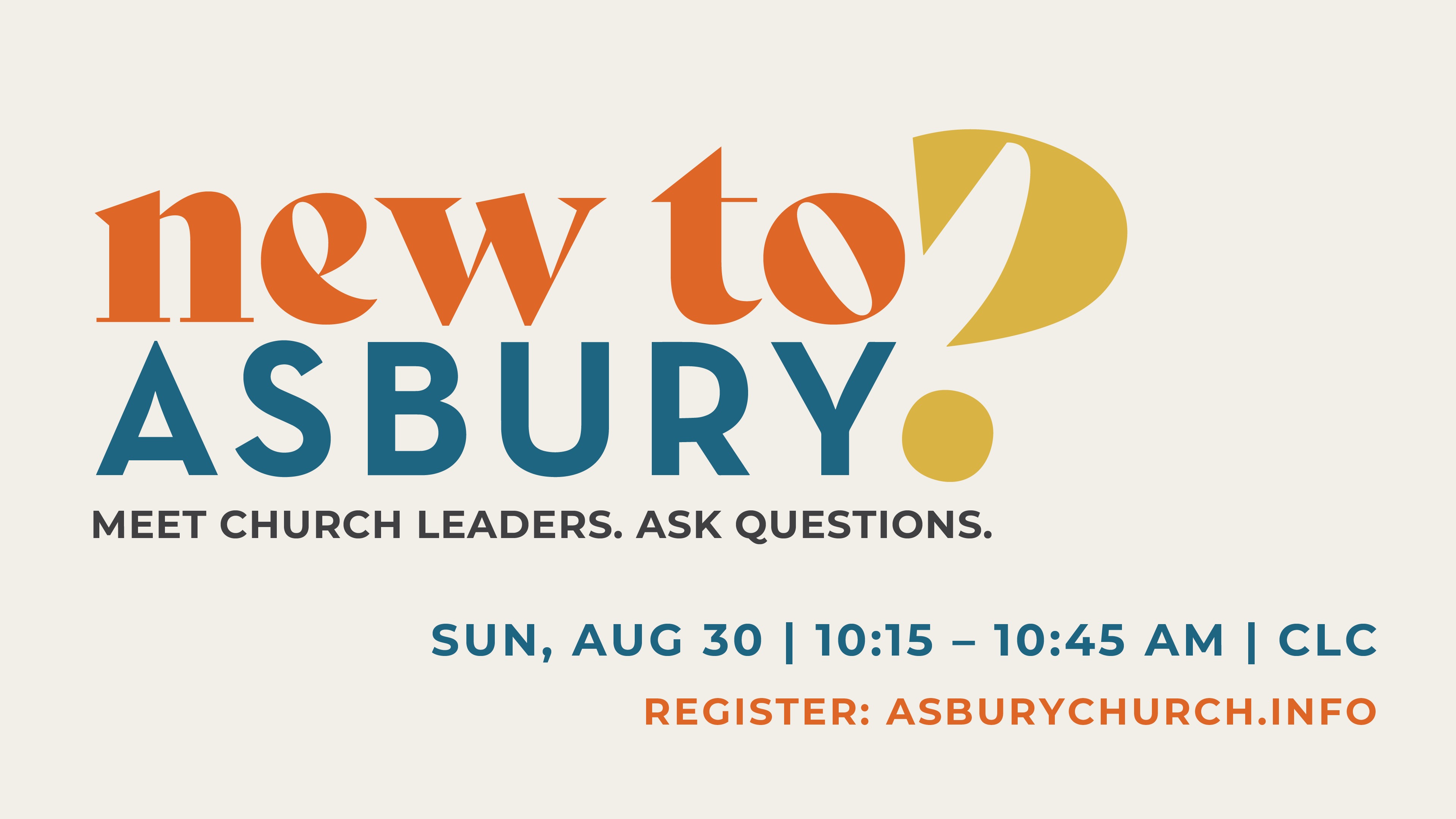
Ok, so I am excited to be a part of a church that is experiencing healthy and significant growth. I am also excited about the opportunity I have been given to develop a discipleship pathway for our church. Since I have been here, we have started a New to Asbury Brunch. This gives us a chance to meet folks who are checking out Asbury and wanting to know more. It gives me the chance to set the culture of our church on the front end that helps people decide whether they want to stick around and get to know us better.
Related to that, I am really thankful to be at a place where there is spiritual covering to speak clearly about what we believe, because it is what the church believes. When I was teaching in United Methodist theological education, I was always surprised by how much of a physical toll it took on me to articulate orthodox sexual ethics in the classroom or in events outside of the seminary. I remember feeling tired and just overall worn out for weeks after a conference at the seminary I was at after the 2016 General Conference of the UMC before the Special General Conference in 2019. I felt the same after I participated in a debate with a colleague from the same seminary about the Bible and same sex marriage.
At Asbury, we believe that clarity is kindness. We work to use plain speech and to say what we mean. We do not believe in manipulation and working to lead people without them knowing exactly where they are being led.
And so, I tell everyone who attends the New to Asbury Brunch that we are not woke and we are conservative regarding sexual ethics in every respect.
People are sometimes surprised that we are so clear about where we stand, and they appreciate it. I think this is because there are far too many church contexts that are like an experience of the children’s story The Emperor’s New Clothes. It is refreshing and a relief to be part of a culture where clarity and straightforward speech is valued.
For me, it is a breath of fresh air to serve at a church where I am encouraged to be direct and candid in what we believe, and that I am in sync with all of it. Not only do I not feel tired after speaking at a New to Asbury Brunch, it is energizing.
I think this is the difference that spiritual covering and properly aligned authority structures makes.
Why I am hopeful about the future
As I have written elsewhere, I believe the next season of ministry in the United States is going to be hard. It is going to take our best effort. And yet, I am genuinely and deeply hopeful about the future. In fact, I am most hopeful about the future that I have ever been in ministry. Here’s why:
I believe that the coming years are going to see significant changes in the American church. In particular, I think there are going to be surprising and exciting realignments as mainline denominationalism continues to decline both in terms of its size and its influence in the broader culture.
I think the future will bring increasing cooperation and networking among non-denominational churches that are open to the person and work of the Holy Spirit.
I could be wrong, but I am hopeful.
And I hope the Asbury Connection will be a part of this realignment.
I think we are seeing openness to New Testament Christianity, including the fullness of the gifts of the Holy Spirit, becoming mainstream in American evangelicalism. I also think churches that have kind of stumbled back into openness to Spirit have learned from the excesses and mistakes of some Pentecostal and charismatic churches.
I am hopeful about the future here because I have seen Asbury Church become more open and hungry for the fullness of the gospel. We have had prayer and healing services, with more response and hunger than I expected. And, thankfully, virtually no resistance or pushback. I see our pastors stepping into greater authority and wanting more for our people. It fires me up to hear people scheduling prayer sessions to spend time in prayer with someone who needs breakthrough from a particular bondage or addiction.
I am hopeful because I do not feel like we are striving or trying to force something. In the times I’ve been asked to lead, I have just tried to give space for the Lord to do what he wants to do in our midst. And it has been a blessing to witness.
I am also hopeful because Asbury has the strongest tangible commitment to raising up the next generation of leaders for the church that I have ever seen.
This summer we hired 6 high school students to work as interns in our student ministry. It was SO FUN to see high school students praying for their own ministry and teaching the Bible to their peers. It was a blessing to see them planning, preparing, and executing their own vision over the summer. One weekly summer event, a boys Bible Study, doubled in size compared to last summer. And it was entirely through the work of our student interns.
Our student interns also helped start a student leadership team for this year, which will continue the work they started over the summer. I cannot wait to see what the Lord does through them this school year!
We also hired three college students to work as mission interns over the summer. They brought energy and joy to our work as a staff. Rodney Adams, our Executive Pastor, led a group of 6 of our staff to attend Acton University this summer. 2 of our college interns went on that week-long trip and it was great to get to know them better.
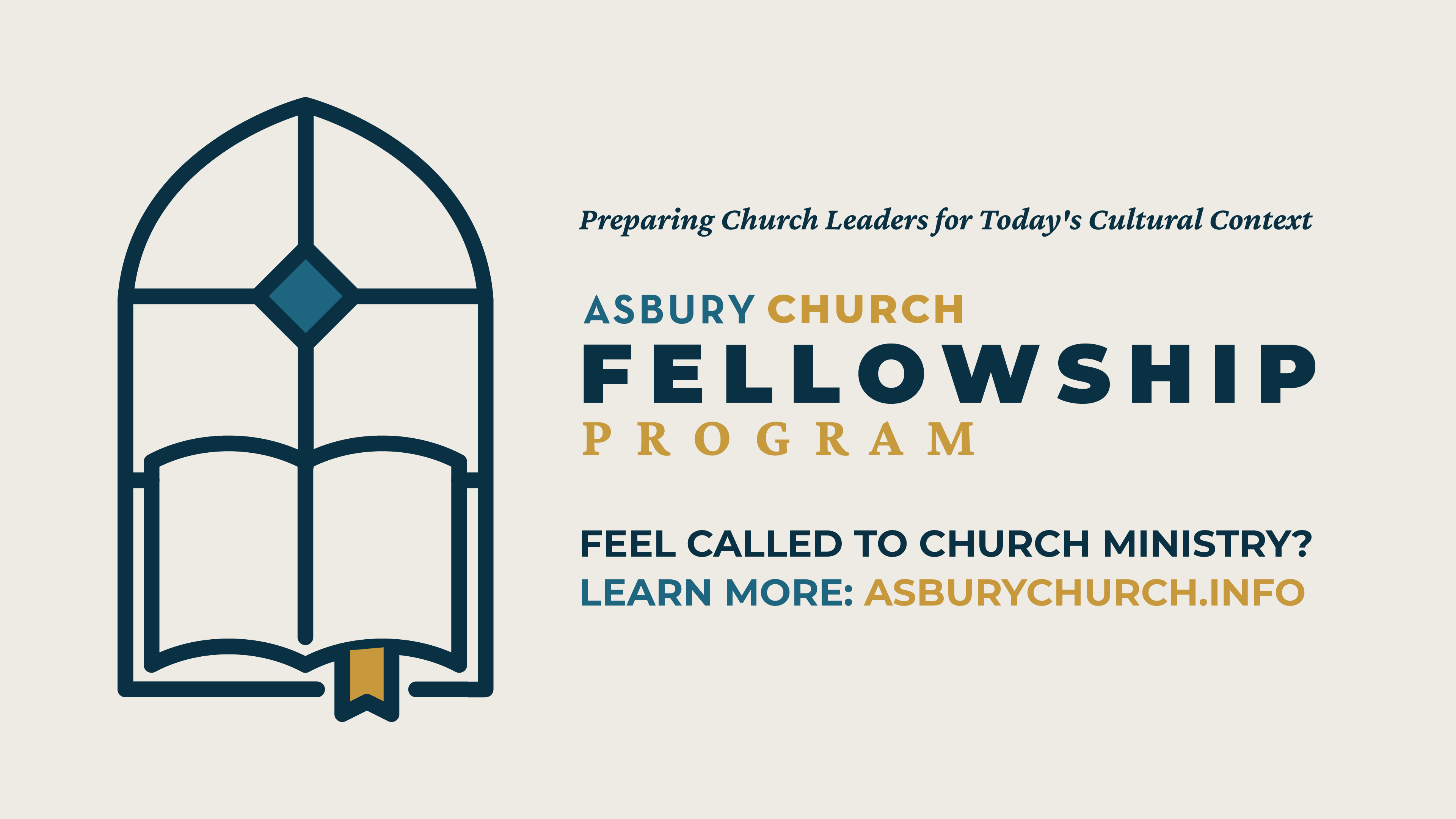
The biggest investment we are making in raising up the next generation of leaders for the church is our Fellowship Program. It is now in its second year, which is hard for me to believe. We saw a significant increase in interest this year compared to last year. I am proud of our Fellows and excited to see how the Lord will use them in the church after they complete their Fellowship. For me, simply having Fellows in the room reminds me of the stakes of what we are doing. Formation is always happening. And those coming up after us will not appear out of thin air. We must intentionally invest in the next generation. We are literally putting our money where our mouth is by hiring people for 2-year Fellowships that are full-time staff positions.
Finally, we made a commitment to start a School of Ministry when we launched the Asbury Connection. Last week, I started a pilot project to begin to build out the Asbury School of Ministry. It will serve as the last stage in our discipleship pathway, because, while there is always more Christians can learn, Christian discipleship should not be thought of as a never-ending university seminar. I have known that for a long time, but I’ve had a hard time figuring out what the end of a discipleship pathway should actually look like. When it is fully released, this will be a rigorous and intense period, most likely 2 years, where people will leave knowing they’ve been equipped to serve in the church. They will then focus on being on mission for Jesus in their lives, feeding themselves and others as spiritual parents.
The Asbury School of Ministry will also be a key piece of the way we form our candidates for ordination as deacon. Many of these candidates have or will attend seminary, which we fully support. (After all, we have an Asbury Theological Seminary Extension Site on our campus.) Formal theological education will be required for ordination as an elder.
Why you should consider joining us
There are several groups of people I think should consider joining us.
If you are following leaders at Asbury Church because you like what we are doing and find it helpful to your work, you should join what we are doing. I have been surprised and encouraged by the folks who reached out immediately when they found out about the Asbury Connection who I had no idea were even watching us.
You should consider joining us if you have felt like you haven’t found your people yet and you think you might like to follow us, or you want to row with us. I’d love to connect you with folks on our team so you can learn more about the Asbury Connection and where we are headed.
You should consider joining us if the existing denominational options weren’t the right fit for you, but you also would like to have more connection and not less with a body of believers outside of your local church.
Our model is a hub and spoke model. We will have large regional churches with small churches connected to and resourced by them. The Asbury Connection will not be a denomination with a large and unwieldy bureaucracy. The Asbury Connection will have a faith statement and common ordination standards.
To give one example of the distinction: The Asbury Connection will not take on itself the responsibility to provide health insurance for every employee of every church in the Connection. We believe this goes too far in terms of removing authority and responsibility from the local church. (As it happens, denominational insurance also has a major financial penalty on small churches and their employees at the order of tens of thousands of dollars per employee per year.)
The Asbury Connection will also not have a trust clause. (I cannot imagine any church that left the UMC ever deciding to join anything with a trust clause.)
On the other side, the Asbury Connection will value and enforce doctrinal conformity and adherence to ordination standards across the connection.
There is so much going on in the aftermath of the collapse of the UMC. It will take a while before the dust settles and we can really see what has happened.
Here is the short version for me for why I am excited for the future of the Asbury Connection: The available denominational options have felt too much like the United Methodist Church that I chose to leave. But the alternatives that have arisen don’t feel like they have strong enough ties that bind.
The timing of Pentecost this year, when we launched the Asbury Connection, was particularly sweet, because it was on May 24th, which is also the anniversary of John Wesley’s famous Aldersgate Street experience where he testified:
I felt I did trust in Christ alone for salvation; and an assurance was given me that He had taken away my sins, even mine, and saved me from the law of sin and death.
For me, this felt like a symbolic connection to our theological heritage. Our goal is not to depart from the tradition we’ve been a part of. Rather, it is to enter more fully into it. We want to see the Lord breathe new life into the best of the Wesleyan theological tradition through our new Connection.
As I close, I’m thinking about John Wesley’s last words. They give me hope and joy as I move into the future:
If you have hard work to do and much is unclear, what is the most important thing to get right?
First, a word about why the church has hard work to do and much is unclear. Then, my answer to what I think is most important to get right.
For several years I have thought about how much disruption and change has been happening in the culture, church, and academy.
An image I often use is tectonic plates shifting, which cause earthquakes. The rumbling and shaking from earthquakes can alter the surrounding landscape and cause significant damage to buildings and infrastructure.
Tectonic plates have been moving in the culture, church, and academy. Or, perhaps one has caused rumbling and shaking that has altered the landscape of the others.
From my seat as a seminary professor and pastor, I have been trying to articulate the challenges the church is facing. If you can diagnose the problem, then you will have an easier time identifying potential solutions.
I wrote a post a few months ago I titled: “Where Do We Go from Here?” It focused on demographic trends that show how difficult things will be for churches like mine in the coming years.
I worked really hard on that post and am proud of it. If you missed it when I first published it, I hope you’ll check it out here. The argument I’m making here, really builds on this post.
I keep thinking about one thing from that post. After summarizing demographic data from Ryan Burge and summarizing analysis from Aaron Renn and Christian Smith, I made a basic comment on what is facing the church:
This is going to be really difficult.
I think it might be particularly hard for people in my tribe (folks who were reared in Mainline Methodism). I don’t think people have yet understood just how deep and wide the culture shifts from the mid-2010s through the pandemic have been. We are not going back. The landscape has changed.
Conversion to faith in Jesus is much harder than it was a few decades ago, much less 50 years ago.
I think the way denominations have functioned, since the founding of the UMC in 1968, has been within a Positive World framework. We don’t even live in Neutral World anymore. We live in Negative World. The strategies and plays from Positive World don’t work anymore. And the evidence of that is in front of many of our faces every Sunday morning.
(If the Positive, Neutral, and Negative World framework isn’t familiar to you, I highly suggest reading Aaron Renn’s “The Three Worlds of Evangelicalism.”)
One of the reasons the work facing the church is going to be really difficult is because we are trying to understand exactly and how much things have changed while things continue to change. (From legalizing same sex marriage to fluid gender separated from biology, to woke ideology, to the gradual and then rapid rise of AI, and so on.) And while we are trying to understand (but don’t fully understand), we must make decisions and act.
It is ok to not be confident about the right answers to the variety of challenges facing the church.
I don’t think it is ok to recognize that things aren’t working and just stubbornly keep doing the same things anyway.
And I don’t think it is ok to pretend that things are just fine and continue with the work of the church with strategies that worked in the 1980s.
Again, people coming from Mainline Protestant contexts may be particularly at a disadvantage here. I’m not sure if they are worse off than Southern Baptists or Roman Catholics. I don’t know those denominations well enough to have an informed opinion.
A major disadvantage of my background was being formed in a bureaucratic and risk-averse institution that was often unwilling to acknowledge reality at all if it was inconvenient.
Let me illustrate this with one example:
At the Annual Conferences I attended, there would be a part of the conference where we had to vote to close churches that were no longer viable. They usually had less than 10 people in average attendance and were not able to pay to maintain their building. One would think this would be cause for lament or self-reflection. There was no need for shame or condemnation. But it was sad. Yet, these churches were always introduced in a way that you would have thought they were among the most dynamic and effective churches in the entire conference at sharing the gospel and the church’s mission to make disciples. One year, I leaned over and asked a friend, “If that church is doing so well, why is it closing?”
It felt like a very strange adaptation of the children’s story The Emperor’s New Clothes. (Spoiler: The emperor had no clothes on. But everyone pretended that he did, until a child who didn’t know any better articulated what was obvious to everyone loud enough for even the emperor to hear.)
So, church leaders are faced with the challenge of accurately diagnosing, and then understanding, the times in which we live (while they continue to rapidly change). And they must also continue to do the work of the church as best they can in real time.
On top of that, in many of the places I’ve been, there is a strong aversion to leaders leading. At times, the attempt to lead is itself offensive. This is often, though not always, an overreaction to the failures of a previous leader (or the failures of the system that sabotaged the previous leader). These things are complicated!
Back to the question I began with: If you have hard work to do and much is unclear, what is the most important thing to get right?
My answer: The most important thing to get right is answering the question: Who do you want to work with on hard things?
This is the best way I can explain the joy I’ve found in my work at Asbury Church. At one level, my job at the church is the hardest job I’ve ever had. But I am having the most fun I’ve ever had. I am having fun because I am part of a team that is willing to ask hard questions, refuses to settle for polite nonsense, and keeps pressing because we believe that God is not done with us and he has more for us.
We don’t have all the answers. That’s ok. No one does.
The work of the church has always been hard. And it is the best job in the world. I believe a key to thriving in this work for the long haul is finding the people you want to work with on hard things.
I found my people and I’m grateful.
P.S. If you’re interested in seeing the kind of work I’m doing with my people, check out our Pentecost service, which will launch the Asbury Connection. (It will also be available on Asbury Tulsa’s YouTube channel a few days after the service.)
Kevin M. Watson is a Pastor and the Senior Director of Christian Formation at Asbury Church in Tulsa, OK. He is also on the faculty at Asbury Theological Seminary, anchoring the Seminary’s Tulsa, OK Extension Site. His most recent book, Doctrine, Spirit, and Discipline describes the purpose of the Wesleyan tradition and the struggle to maintain its identity in the United States. Affiliate links, which help support my work, used in this post.
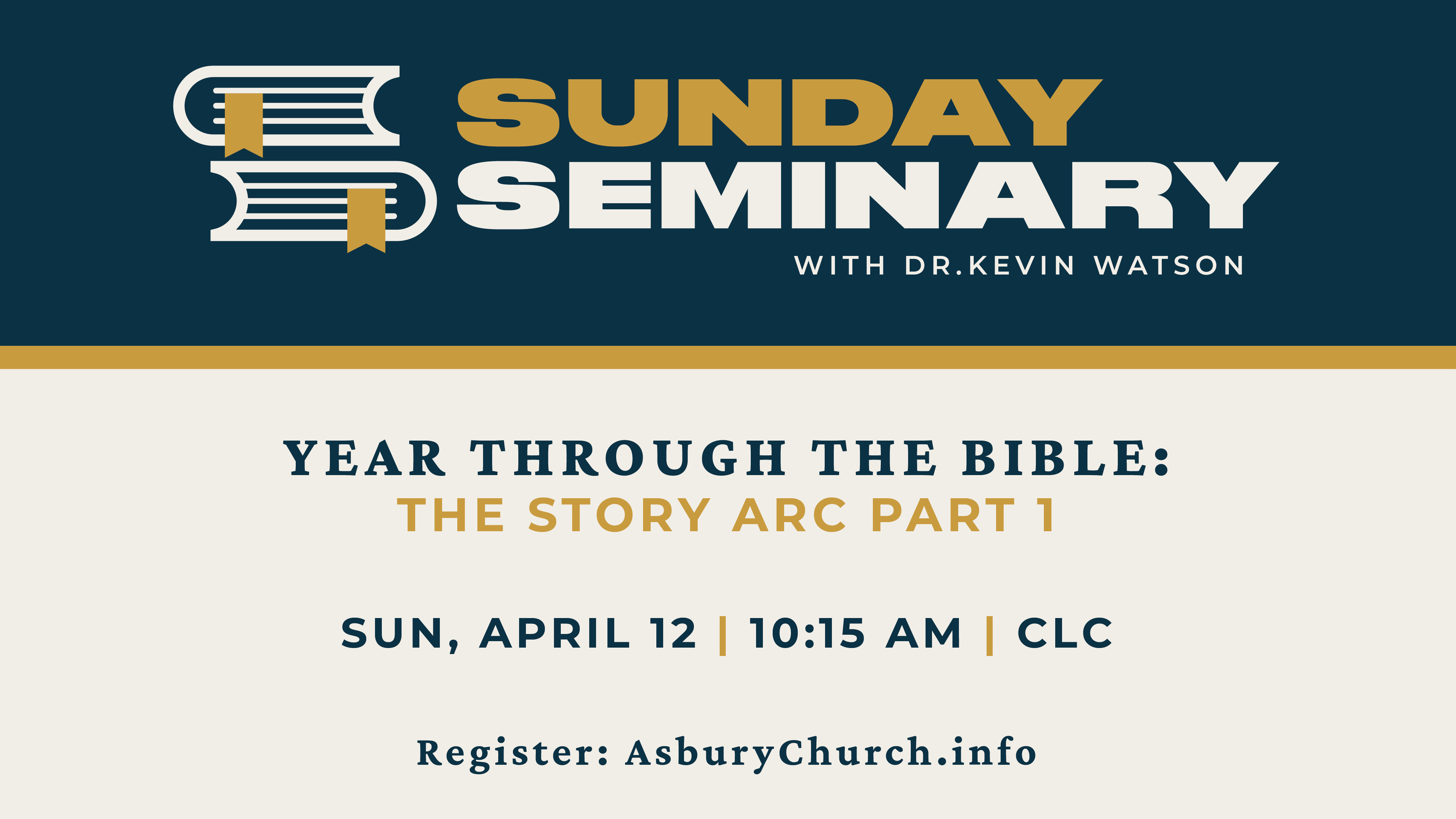
I wanted to share something I am doing this Sunday (April 12) at Asbury Church. If you live near Tulsa, I hope you’ll come.
We have been reading through the Bible this year at Asbury using the One Year Bible. At Asbury, we are a Bible reading church. And it hs been really fun to take on the challenge of reading through the entire Bible together this year.
I also know the Bible can be confusing. I want to give you a short, memorable overview of the Bible. This Sunday from 10:15-11:00 (between the 9am and 11am services, so it does not conflict with Discipleship Communities) in the CLC I will give a short and engaging overview of the first 5 books of the Bible, Genesis through Deuteronomy.
If you have not joined us in reading the Bible this year, this is also a great opportunity to start. We start Joshua tomorrow, and so Sunday’s class will be a great opportunity to catch up on the story so far. You can just jump in on April 12ths reading on Sunday and go with us from there. After this session, you will be perfectly set up to jump in with us and start reading the Bible that Sunday in the book of Joshua.
You will also receive a bookmark with a two-minute summary of the entire Bible. I have put a lot of work into this and am looking forward to teaching this material. I would love to see you on Sunday at Asbury!
P.S. Rev. Andrew Forrest, Asbury’s Senior Pastor, and Rodney Adams, Asbury’s Executive Director, start a weekly podcast that tracks the Year through the Bible readings. Check it out here.
Kevin M. Watson is a Pastor and the Senior Director of Christian Formation at Asbury Church in Tulsa, OK. He is also on the faculty at Asbury Theological Seminary, anchoring the Seminary’s Tulsa, OK Extension Site. His most recent book, Doctrine, Spirit, and Discipline describes the purpose of the Wesleyan tradition and the struggle to maintain its identity in the United States. Affiliate links, which help support my work, used in this post.
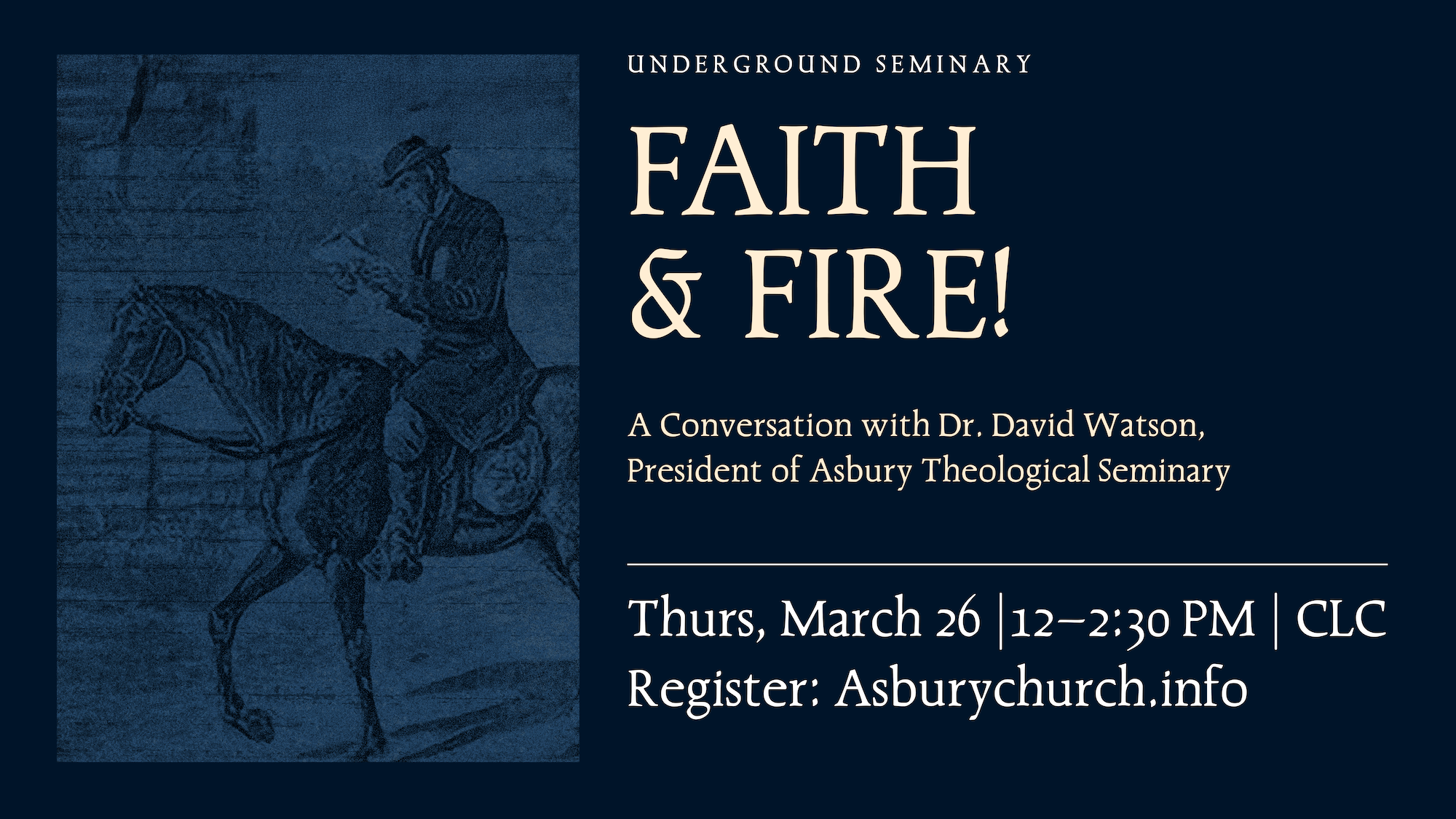
Asbury’s President, Dr. David Watson, is coming to Tulsa to lead an Underground Seminary at Asbury Church. This is going to be a lot of fun. Dr. Watson will talk about what is needed to thrive in ministry. And this is also a kind of book launch for a book we wrote together, Faith & Fire: Methodism as a Move of God. You can still register for this event, here. A copy of the book is included with registration.
He is also preaching in a seminary chapel service this Friday at 11am in Mason Chapel at Asbury Church. Dr. Watson will preach on Romans 8:12-17, “A Case of Mistaken Identity.” I am excited to hear him preach this great passage. No need to register for chapel, just show up! Lunch will follow and is provided by Asbury Church.
Oh, and Dr. Watson will also preach at Asbury Church on Palm Sunday at 9 & 11 am. Join us!
This is all exciting for me because it is connected to the in-person intensive for the Wesleyan Discipleship hybrid class I am teaching. This is my favorite class that I have ever taught. It is an introduction to the history and theology of discipleship in the Wesleyan tradition, with particular focus on the Wesleyan class and band meeting and their practical implementation.
One more thing: We have started receiving applications for the second year of Asbury Church’s Fellowship Program, which I lead. The first year has been great and I am really excited to welcome the next group of Fellows to Asbury. Apply by April 17, 2026. Details here.
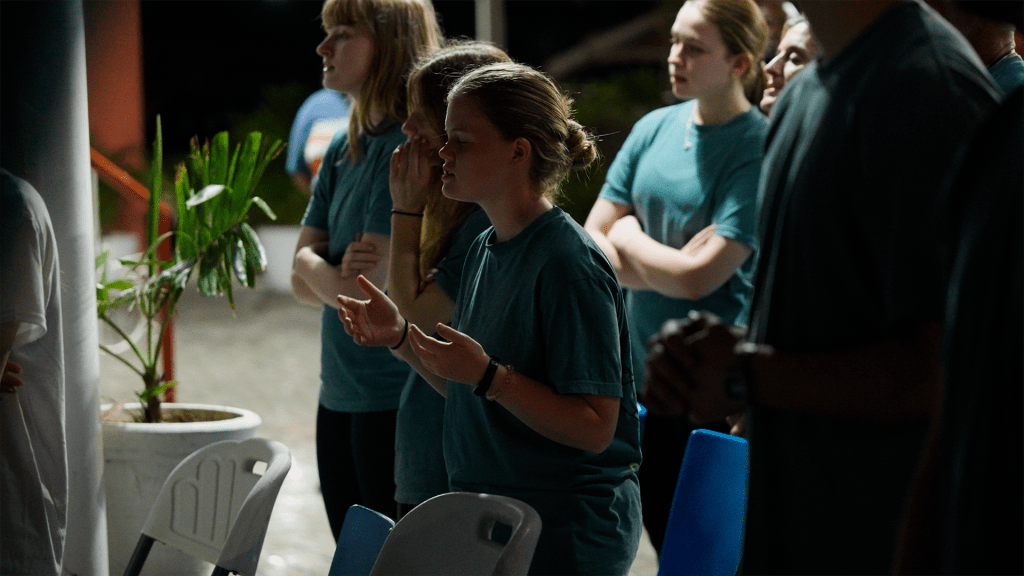
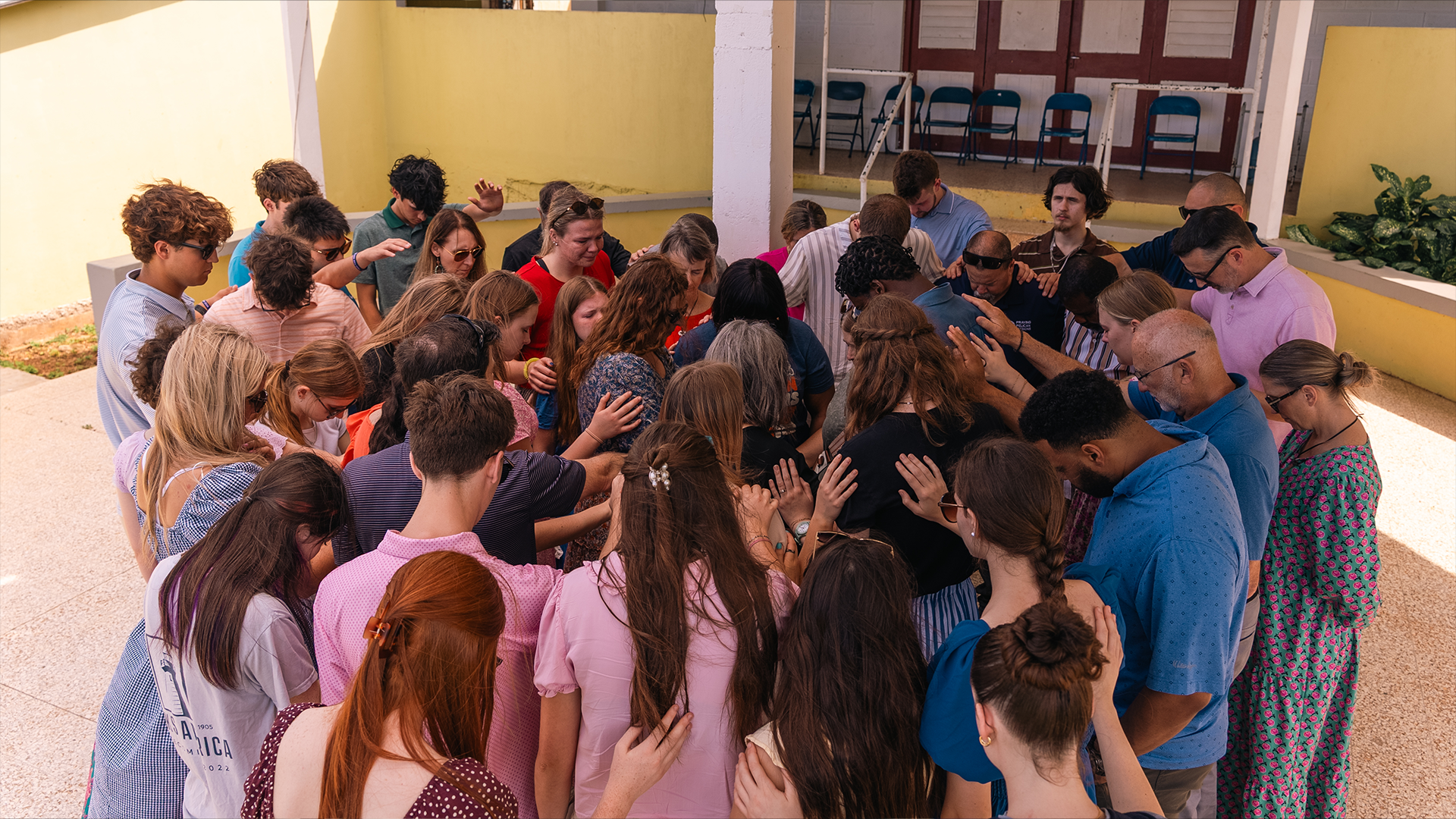
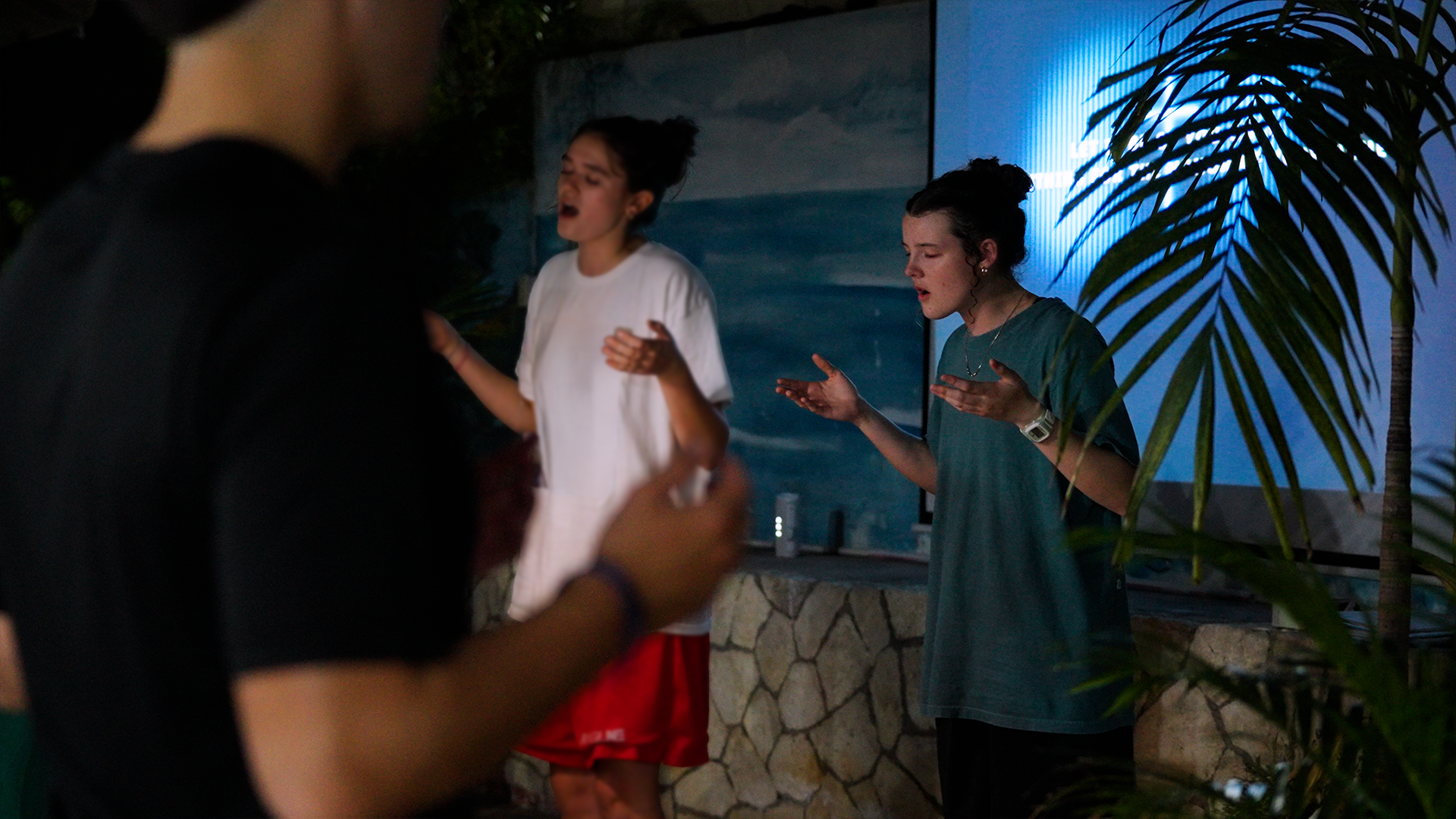
P.S. Last week, I went with a group of high school juniors and seniors from Asbury Church’s student ministry to Jamaica for a Spring Break mission trip. I enjoyed every part of the trip (except for the very beginning when the power was out at the Southwest ticket counter).
I had not been on a mission trip in 20 years, though they have been impactful in my life. I expected my favorite part to be the mission work itself and the time with the folks in Jamaica. Don’t get me wrong, that was all awesome!
But my favorite part, by far, was getting to know the students from our church better. It was a reminder of something I already knew but was blessed to see again. They love worshipping the Lord. I saw passion and hunger for connecting with the Lord. And the Holy Spirit is so quick to come and meet them in their hunger. It was so so fun! Jesus is so kind to us.
Kevin M. Watson is a Pastor and the Senior Director of Christian Formation at Asbury Church in Tulsa, OK. He is also on the faculty at Asbury Theological Seminary, anchoring the Seminary’s Tulsa, OK Extension Site. His most recent book, Doctrine, Spirit, and Discipline describes the purpose of the Wesleyan tradition and the struggle to maintain its identity in the United States. Affiliate links, which help support my work, used in this post.
Last week, I shared my thoughts on developing a habit, specifically the habit of daily Bible reading. Knowing how to do it is not hard.
Doing it is the hard part.
In this post, I want to talk about the difference between a habit and a goal.
My daughter received a bike for Christmas last year. And we decided to set a goal to ride our bikes 1,000 miles in 2025.
At the point that we decided to do this, neither of us were really riding bikes much at all. So, for us, this was a pretty bold goal.
I gave serious thought to this particular goal before suggesting it to my daughter. I wanted it to be hard. I wanted it to be something that would require us to put in consistent work and effort over the course of the entire year. I also wanted it to be realistic.
I knew there would be times we would ride more and times when we would ride less (like when it seemed to rain every day for two weeks, or when I was out of town). It wouldn’t be a very satisfying goal to accomplish if we hit the target in mid-March of 2025. And we would almost certainly quit if it required extreme commitment and near perfection every single day for 365 days.
1,000 miles in 365 is about 2.74 miles per day. That means we could do a short ride every day, or longer rides several days a week.
At one level, we have worked to develop a habit of riding bikes together. But it was not exactly a daily bike riding habit. We don’t really care if we ride every day. We care that we accomplish the goal of riding 1,000 miles. We win when we color in the last box on our chart.
With three weeks left in 2025, we have riden 960.73 miles. We are on track and the finish line is coming into view.
When we color in the last box, my daughter will feel a tremendous sense of accomplishment that comes from not only doing something difficult, but doing something difficult that requires consistent effort over a long period of time.
Riding bikes in 2025 with my daughter while preparing for the Year Through the Bible has made me think about the difference between a daily habit and a big picture goal. We are actually after both with our One Year Bibles.
The first priority is developing and strengthening a robust daily Bible reading habit. I wrote about this in depth here.
But a very close secondary priority for everyone who starts with us in January is reading the entire Bible in one year.
By way of reminder, here is a short summary of how to develop a habit of reading the Bible every day:
1. Decide what to eliminate so you have margin to do something new.
2. Decide when you are going to do it.
3. Decide where you are going to do it.
4. Decide where the things you need to do it will be.
5. Do it with other people.
Some quick thoughts on habits vs goals
I think one of the challenges of leading a church through reading the Bible in a year is that you are combining two things.
First, you are using a year as a long ramp to help people really build a habit of daily Bible reading. A habit is something that becomes an action that you do regularly and consistently over a period of time. Developing a habit of daily Bible reading is a top priority for anyone who wants to be a disciple of Jesus Christ. It will literally change your life.
Second, reading through the Bible in a year is not only working towards building a habit, it is a goal. Goals are concrete and measurable. They start and they end. Reading through the Bible in a year, then, is also a goal that is finite and has a completion date.
One of the reasons the daily Bible reading habit is the first priority is because many people will join Asbury mid-year and we will encourage them to begin where we are, which means they will not read the entire Scripture in that calendar year, but they will establish a habit of daily Bible reading. Regardless of when you join in with us, you can work on developing a robust daily Bible reading habit. And that is a foundational habit in the life of everyone who is a disciple of Jesus Christ.
That is the win!
I also get really excited by the idea of thousands of Christians reading the entire Bible cover-to-cover over the course of a year. Maybe it is just because I personally love these kinds of goals.
I want to share a few thoughts about the goal of reading the entire Bible in one year.
This is so obvious, but the first thing is to follow the steps above for building a daily Bible reading habit.
The obvious question, however, if you want to read the entire Bible in one year using the One Year Bible is: What do I do if I miss a day?
If you don’t read the Bible one day and the goal is building a habit, the most important thing is to literally do whatever it takes to read the Bible the next day. (This is why it matters that you pre-decide when and where to do it. If you miss a day, just follow the plan the next day.) The problem with building a habit is not missing one day. The problem is that one day tends to become two days, which tends to become three, and then three weeks.
So, if you are working on building a habit and you miss a day there is only one thing that matters – Do it the next day!
And if you have a goal to read the entire Bible in a year, it turns out that the solution is the exact same if you miss a day: Do it the next day!
But here is one important difference between a goal and a habit:
You cannot make up ground on a habit. You either read the Bible yesterday or you didn’t. And that either helped you have a habit of daily Bible reading or it helped you have a habit of not reading the Bible daily. There is no way to make up for missed days in building a habit.
You can make up ground on some goals. If the goal is to read the entire Bible in one year, I can still do that if I didn’t read the Bible yesterday. But it means I must read more on at least one other day than normal.
Here is another important difference between a habit and a goal:
The idea of a habit is that it does not have an expiration date. Habits are not designed to end. Think about the habit of exercise or of going to bed on time. There are seasons and stages of life and reasons you start new habits. But the idea of a good habit is a thing that you are trying to install in your life that becomes automatic and continual.
Goals do have an end that you are working towards the entire time. I often set a goal to read 100 books in a year. When the calendar turns over to a new year, I have either done it or I haven’t. And there is a sense of accomplishment and completion that comes with accomplishing goals.
I think every disciple of Jesus Christ needs to both develop a habit of reading the Bible daily and they need to read through the entire Bible.
I think habits and goals actually reinforce each other. You are more likely to develop a daily Bible reading habit if you have a goal in mind you are working towards that is specific and measurable. And this is exactly why it is common for churches to lead a congregation wide effort to read through the entire Bible in one year.
Ok, so for both building a habit and pursuing a goal, here is what you should do if you miss a day:
Do it the next day!
Keep going!
That will both help you move forward again on your habit. And it will help you make progress on your goal.
Here is one practical step that applies only to the goal of reading the entire Bible in a year even if you are not perfect in your daily habit:
Add a time block once a week that is for catching up.
This is not the same time as your daily Bible reading habit. It needs to be a different time. To establish the habit of daily Bible reading, you need a plan to do the same thing every day.
I would suggest planning for one-hour. Remember step one for building a habit. This will require eliminating another hour of something else you do.
I would recommend scheduling this one-hour block during a time that usually feels more relaxed in your week so you are more likely to use it when needed.
If you build an additional hour into your week to read the Bible, you will be able to make up significant ground if you fall behind. And if you schedule that into your weekly calendar, you also get a reward for being on pace – a free hour to do whatever you like!
If you follow these steps, I am sure you will both develop a daily habit of reading the Bible. And you will read the entire Bible cover to cover in one year.
This is essential for Christian discipleship. If you don’t yet have a habit of daily Bible reading, you can! Why not start now? You can work through these steps right now.
P.S. I have not been perfect in reading the Bible daily. But I can say it has become a habit in my life. And not once have I regretted spending time reading the Bible. You won’t either.
P.P.S. You should join us in reading through the Bible in 2026. We are reading The One Year Bible (ESV). You can grab a physical copy here. Or, you can read along in YouVersion by downloading the app and searching “The One Year Bible” in plans. (Be sure to include “The” and it will be the first search result. It is the one with a green leaf at the bottom left of the cover.) If you start the YouVersion plan on January 1, you’ll be on pace with us all year.
Kevin M. Watson is a Pastor and the Senior Director of Christian Formation at Asbury Church in Tulsa, OK. He is also on the faculty at Asbury Theological Seminary, anchoring the Seminary’s Tulsa, OK Extension Site. His most recent book, Doctrine, Spirit, and Discipline describes the purpose of the Wesleyan tradition and the struggle to maintain its identity in the United States.Affiliate links, which help support my work, used in this post.
How do you start a habit? Or, better, how do you become disciplined in doing something specific over and over again so that doing it becomes second nature?
Starting a habit is easy. Or, maybe better, starting a habit is not a habit.
Developing and sustaining a habit is difficult and requires discipline over weeks, months, and years.
Everyone knows that good habits (like daily exercise) are important and will make your life better. And everyone knows that bad habits (like eating a gallon of ice cream before bed every night) need to be avoided, or they will make your life worse.
But how do you actually do this?
I want to share my thoughts on building a habit in one specific area I’m working on for my work at Asbury Church. (The graphic below is for a workshop I’m doing this month.) The ideas here can be used more broadly to develop and sustain a habit in any area of your life.
Asbury Church is a Bible reading church. We say this all the time at Asbury!
And we mean exactly what the words say. We literally read the Bible at Asbury.
It can be easy to give lip service to the idea of reading the Bible but not actually do it. We read the Bible in our worship services. We read the Bible in our Monday morning staff chapel. We read the Bible in our midweek communion service. You get the idea.
And we work hard to lead our people to read the Bible in private daily.
We have often done this by preaching through one book of the Bible at a time. Our senior pastor, Andrew Forrest, creates Bible reading guides that we give out that have the entire text of the book we are reading through divided up into short daily readings. Andrew will offer a short commentary to help people better understand what they are reading. Andrew frequently says, “The commentary is not the point. The Bible is the point.”
You can see the Bible reading guides Andrew has written here.
In 2026, we are leaning into reading the Bible even more. We are asking our people to read the Bible in a more disciplined way.
2026 is Year Through the Bible at Asbury Church.
We are going to read through the entire Scripture over the course of the year. It is going to be hard. And it is going to change the lives of everyone who joins us!
Our number one discipleship priority for Year Through the Bible is simple: We want to see people develop a robust daily habit of reading the Bible. People who do not have a habit of daily Bible reading will develop one. And people who already have a daily Bible reading habit will strengthen it.
Given this, the most basic question in my work is this:
How can I help people actually develop the habit of daily Bible reading?
I am sure that anyone who does what I am suggesting here will develop a habit of daily Bible reading.
This will work if you do it.
The hard part, as we all know, is doing, not knowing what to do.
Here is how to install the habit of daily Bible reading into your life.
1. Decide what you are going to eliminate.
I assume your life is already full. Few people have tons of margin they are just waiting to fill with good habits. The challenge is you already feel like you have 30 hours of stuff to do in 24.
Therefore, the first thing you need to do is eliminate something you do every day that tends to be about 30 minutes. If I had to guess, I would bet that for at least 90% of people, this would be mindlessly watching television or doom scrolling social media before bed.
Is the content you are consuming making you more hopeful? Is it energizing? Is it helping you become the kind of person you want to be?
Probably not.
Reading the Bible will.
If you are serious about building a habit of reading the Bible every day, you will make the hard choice to eliminate something so you will have margin to add a new habit.
2. Decide when you are going to read the Bible every day. (This is where most people start talking about habits, but I think the previous step is important.)
I know you already know this. Again, it is the doing that is hard, not the knowing.
The first thing you need to do to “win” in developing a daily Bible reading habit is to decide when you are going to do it. You need to literally develop a concrete specific plan.
When are you going to read the Bible?
If you do not pre-decide this, you won’t do it. It is that simple.
Short cut: For almost everyone, the short cut to developing a daily Bible reading habit will be to do it first. Get up, grab your coffee, and spend the first 30 minutes of your day reading Scripture and talking with the Lord.
Let me ask you right now: Can you tell me when you read the Bible every day? If you can, congratulations! You have a daily Bible reading habit. If you cannot, you almost definitely do not read the Bible every day.
Advanced Tactic: Try to think about the difference between your consistent routines and times when the routine is disrupted. Is there a way you can frame when you read the Bible that accounts for those differences? As I mentioned in the short cut, first is what works best for me. I plan to read the Bible first thing in the morning and so I get up in time to do that first before I do anything else. And when I fail to read the Bible on a given day, it is almost always because I did not have a plan to read the Bible first.
3. Decide where you are going to read the Bible every day.
It is important that this be consistent. Is the place you read the Bible on weekday mornings overrun with children watching cartoons on Saturday morning? Then, you need somewhere else to read the Bible. Think about your environment in as much detail as you can. Where can you consistently read the Bible at the time you are planning to read it without be interrupted or distracted?
4. Decide where your Bible and anything else you need will be. Keep your Bible in the same place. You will not develop a habit of reading the Bible daily if you can’t find it! Ideally, your Bible will be where you are planning to read the Bible. If you are going to sit in the same chair every morning, then leave the Bible on the table next to the chair. This may have the bonus of being a topic of conversation with family or friends who see it in a conspicuous place. And, if you slip up and forget early on in implementing this habit, you will have a visible reminder which will give you a chance to pick it back up.
5. Do it with other people.
Join a small group to hold each other accountable and to discuss what you are learning and places you have questions.
Community is helpful in forming any habit. This is a basic part of the success of Weight Watchers (dieting) and CrossFit (exercise) to name just two examples.
At Asbury Church, we are launching new small groups that will form for the purpose of helping people read through the Bible together in 2026.
If you do these five things, you will develop a habit of reading the Bible daily. And you can apply this to any habit you want to build.
1. Decide what to eliminate so you have margin to do it.
2. Decide when you are going to do it.
3. Decide where you are going to do it.
4. Decide where the things you need to do it will be.
5. Do it with other people.
P.S. You should join us in reading through the Bible in 2026. We are reading The One Year Bible (ESV). You can grab a physical copy here. Or, you can read along in YouVersion by downloading the app and searching “The One Year Bible” in plans. (Be sure to include “The” and it will be the first search result. It is the one with a green leaf at the bottom left of the cover.) If you start the YouVersion plan on January 1, you’ll be on pace with us all year.
Kevin M. Watson is a Pastor and the Senior Director of Christian Formation at Asbury Church in Tulsa, OK. He is also on the faculty at Asbury Theological Seminary, anchoring the Seminary’s Tulsa, OK Extension Site. His most recent book, Doctrine, Spirit, and Discipline describes the purpose of the Wesleyan tradition and the struggle to maintain its identity in the United States.Affiliate links, which help support my work, used in this post.
When you are on the right track, you will often experience harassment, discouragement, or other opposition.
How do you know that this is happening?
When this happens, what should you do?
I want to answer these questions by sharing about my experience teaching the Church History One hybrid, which is the 8th in-person intensive I’ve taught since moving to Tulsa and joining the faculty at Asbury Theological Seminary. This is the in-person part of a hybrid class, where students come to Tulsa for part of 3 days. They are so great. But, can I be honest with you?
Going into this hybrid, I was dragging. I was tired. My energy was low.
In previous posts, I have shared about how hard I work to try to create the right culture in the classes that I teach. I have found that this is by far the most important thing that I do. My work is to be as proactive as I can be to set the right culture, be attentive to it as the class unfolds, and be obedient to what I think the Spirit is wanting to do.
I have shared about this in some detail in this post and especially this post. The latter includes student experience, so don’t miss that.
(By the way, I share about this work here because it is relevant for far more than seminary teaching. Culture is everything.)
I noticed something I hadn’t noticed before after teaching this class. (It came through the wise counsel of a friend.) I often feel opposition going into the intensives when students are on site. On the one hand, there is a lot that goes into these hybrid classes. And I end up teaching for 20 hours at the end of the week during time that I’m usually not working. On the other hand, I think what I experienced last week wasn’t just fatigue or stress.
I believe I experienced harassment and opposition from the enemy.
How do I know?
First, the way I felt was abnormal. It was not the same feeling as being tired. It was not the same feeling as being upset because something wasn’t going well, or I’d made a mistake. It was not the same feeling as feeling unprepared. It was more chaotic internally than these are for me. It is hard for me to describe this more precisely, but spiritual opposition is chaotic and confused. It can be helpful to zoom out and ask if the words you are using to name the experience are actually how you feel with the experience you are naming.
Second, it was changed by prayer.
I reached out to a handful of people and asked for prayer on Thursday morning, the day the hybrid began. And the Lord broke through in a wonderful way through these prayers. One of the most effective ways to combat spiritual oppression or harassment is prayer.
Third, I was fasting. I invite students to fast before our class meets. This is spiritually potent. But it also seems to nearly always connect with increased spiritual warfare. This makes sense to me because fasting is intentionally leveling up one’s focus on the things of the Spirit and denying the flesh. The enemy hates this.
Fourth, the Lord moved during my class. This is something that is seen retrospectively, but I think you can notice patterns and be prepared going forward. I have seen the Holy Spirit move in powerful ways at every hybrid I’ve taught. It is not surprising, then, that I would experience some harassment before these classes.
To provide some context, I’d like to share, with their permission, three unsolicited testimonies from students in last week’s hybrid.
I wanted to let you know of the fruit that has already ripened in my life over the weekend and during the intensive. Thursday you presented us with the words: healing, freedom, and joy. At first I did not know how those words applied to me. Thursday night I felt very joyful taking communion. Friday I shared how God has been bringing up aspects of my life to hand over to Him. This summer there has been tension between sin, little moments in my life, spiritual disciplines, and handing everything over to God. I found that time of prayer over classmates and being able to talk about our walk beneficial.
Sunday I had an experience where my heart was greatly warmed. I feel the assurance of my sanctification as strongly as I do my salvation. I now realize that healing took place first, which allowed me to experience freedom and joy—joy which I shared with others that day.
Sometimes we plant seeds and do not always get to reap the harvest, so I wanted to share what has been done this weekend. I believe the hybrid did play a hand due to you opening up the room for what the Spirit had to offer.
My heart is so full, I can barely express my gratitude for the wonderful time of study and fellowship we experienced during the in-person gathering. I learned so much about church history and a lot about myself too. Thank you for providing an atmosphere of worship and prayer. Each element of the weekend satisfied a longing in my spirit to be closer to the Lord and to his people.
Once again thank you for being obedient to the Lord during this fantastic learning and worship experience.
I just wanted to say “thank you” for creating that space for spiritual breakthrough today. I needed it. I’ve come to expect big things in my heart at these, but today was particularly meaningful. Thanks for making these more than simply academic.
These are a blessing to me to read because I know the people who wrote them and I got to see the Lord work in a piece of their story. I am especially touched by the kindness of these students to share with me things I would not have known otherwise (as the second student said so well, “Sometimes we plant seeds and do not always get to reap the harvest”). So generous!
Ok, last indicator that we might be experiencing spiritual warfare: I think it is an indication of spiritual warfare when there is ease in the moment, but there opposition before the moment arrives. I think this is related to anointing. When you are operating in a particular anointing you have, it is typically an easy yoke. You will notice an abnormal impact with ease. I have a friend who uses a phrase I love: It is like falling off a log.
Ok, so there is a description of what I experienced that can help you think about your own experience with more discernment.
The key question is: When this happens, what should you do?
I think the answer is pretty straightforward, actually.
If you are doing something that the Lord consistently blesses and you are experiencing harassment or opposition to it by the enemy, the right thing to do is obvious.
Keep going!
Going into my next hybrid, I am going to have a calm expectation that I will face opposition. I will pretty much do the same things I’ve been doing. They work.
But I am going to try to do them in the way you prepare to do a hard thing you’ve done before. Knowing it is coming will help me know the rest of what is coming. And contending to see the kinds of testimonies I’ve seen from students preparing to lead in Christ’s church is worth it!
So, when you experience discouragement, opposition, or various trials and tribulations when you are doing the Lord’s work and there is consistently fruit, do not quit.
Keep going.
One step at a time.
P.S. I am teaching two classes at Asbury Seminary in Tulsa this coming Spring. Both classes are hybrid classes, which means you only have to be on-site in Tulsa for three days for the entire class (the rest is online). I am teaching a class on Basic Christian Doctrine March 5-7, 2026. And I am teaching a class on Wesleyan Discipleship March 26-28, 2026. They are worth taking in their own rite. But they also meet ordination requirements for various denominations, including the Global Methodist Church’s new ordination requirement for a class in Wesleyan Discipleship. I love getting to teach from my research and publishing on Wesleyan small groups like the class and band meeting. And this class is not only about the ideas but equipping to do them. It is so fun! Don’t miss it. (For more information, click here, scroll down, and shoot me an email.)
P.P.S. The Wesleyan Discipleship class is going to be especially fun because Asbury Theological Seminary’s President, Dr. David Watson, is going to be preaching for our chapel service during class. We’re also working on an Underground Seminary with President Watson. We wrote a book together. I can’t wait to share more about this!
Kevin M. Watson is a Pastor and the Senior Director of Christian Formation at Asbury Church in Tulsa, OK. He is also on the faculty at Asbury Theological Seminary, anchoring the Seminary’s Tulsa, OK Extension Site. His most recent book, Doctrine, Spirit, and Discipline describes the purpose of the Wesleyan tradition and the struggle to maintain its identity in the United States.Affiliate links, which help support my work, used in this post.
A quick update this week and a short thought I wanted to share:
My CH501 Church History One Hybrid Is Meeting in Tulsa This Week!
This week is my favorite week of the semester. The students for my CH501 Church History One class are coming to Tulsa for our in-person intensive. We will have 20 hours of class time together over 2.5 days. (We will also have an Underground Seminary event with Rev. Andrew Forrest, Asbury Church’s Senior Pastor, this Thursday right before class begins. This is going to be such a blessing to students! Details here.)
I work hard to set a healthy culture that is open to the person and work of the Holy Spirit. I wrote about exactly what I do for that here. I think this work has been the most significant growth I’ve experienced during my time in Tulsa so far. Culture is everything!
Much of the work that I am doing is to enable the class together to be open to what God wants to do in our midst while we are together. Because I have seen the Lord do cool things in these hybrids, I carry a sense of anticipation and expectation for these classes when they meet. I also experience a tension when I hold space for the Lord to move. I often have a sense of what the Lord wants to do and also a profound awareness that I am not in control of what the Holy Spirit does or whether people are open to responding. By the way, I think holding this tension is one of the hardest and most important things you do in ministry.
All this is to say, I would be grateful for your prayers for this class. Please ask the Lord to enable me to think clearly, teach faithfully, hear what the Lord wants to do, and respond accordingly. Please pray for students to have safe and smooth travel to Tulsa. And pray for all of us to be fully present to Jesus during our time together. Thank you!
A Thought I often Have about the Difference between Pastors and Physicians
I am interested in the different ways various generations experience the world. This would quickly become a different post, but one way I have been marked through the culture, church, and leadership around me that I experienced is a hunger for leaders in the church who tell the truth with conviction and appropriate emotional intelligence.
I am not talking about saying a hard truth to someone in a way that is callous and hurtful for no good reason. And I am not encouraging saying something with the intention of hurting them or giving offense. That is not what I mean here.
I’d like to share an image I often use in teaching to illustrate what I’m talking about: the difference between pastors and physicians.
Let’s start with physicians:
If I go to the doctor and a test returns very bad news, what happens?
The doctor will tell me the truth in a straightforward and clear way, every single time.
In fact, if the doctor hid a diagnosis to protect my feelings, they could be sued for malpractice.
I am not a medical doctor. But I imagine that having to tell someone that they have inoperable cancer is very difficult. The response the patient has to receiving the news is hard to watch. And though the doctor has not caused the diagnosis, they are the one who is making it known.
But doctors tell the truth, whether they like the truth they have to share or not.
Now, consider pastors:
If a pastor is engaging with someone who is in denial about the impact their beliefs or behavior is having on their life, what do they do?
Well, it seems to me this varies quite a bit.
There are so many different areas of this we could explore. Pastoral care is subjective in a way that a cancer diagnosis or lab result is not, for example. I want to lay the ambiguity aside for the moment. I want to talk about when a pastor knows in their gut something about the person in front of them.
I know myself the temptation to not tell the truth about what I see because I am worried about their feelings. They won’t like what I say. Or, they won’t like me because I made them feel bad.
One common image used to describe pastoral work in the previous eras is “the cure of souls.” If pastors are unwilling to tell the truth to people they are pastoring, their work to cure souls is certain to fail.
This is hard work. I am not saying it is easy. But it is essential for the future health of the church.
I am asking the Lord to raise up a generation of leaders for the church who are so desperate to see people healed and made well through faith in Christ that they become more like physicians.
May the Lord give his shepherds strength and courage to call people to repentance when it is needed, so they can turn around, fight against sin and Satan, and find fresh victory in Jesus.
Kevin M. Watson is a Pastor and the Senior Director of Christian Formation at Asbury Church in Tulsa, OK. He is also on the faculty at Asbury Theological Seminary, anchoring the Seminary’s Tulsa, OK Extension Site. His most recent book, Doctrine, Spirit, and Discipline describes the purpose of the Wesleyan tradition and the struggle to maintain its identity in the United States.Affiliate links, which help support my work, used in this post.
This post is written with ministry leaders in mind. As I am using ministry leader here, I have anyone from an ordained clergy person all the way to a lay person who is leading or doing ministry in any way at all.
If you are trying to be faithful and be used by God in some way in the world, this is for you. I hope it helps you understand one key aspect of ministry that I have never heard anyone talk about in this way. My hope is that fleshing this out will encourage you to press through the risk that is inherent in ministry and remind you that you are not alone.
The Gospel Is Really Real
I did not grow up going to church. I had a typical evangelical conversion experience when I was in 8th grade. This meant that I came to believe that Jesus Christ had died for my sins and that he was willing to forgive me of all my past sins if I gave my life to him. Unpacking this would be a post of its own. Maybe someday.
For now, I want to say that there was something about my conversion that had an innocence and simplicity about it. I both really believed I was called to give my life fully and completely to Jesus and was aware that I did not know how to do this.
I read the Sermon on the Mount and Matthew 5:48 was fascinating to me: “You therefore must be perfect, as your heavenly Father is perfect.”
Over the next decade or so, I discovered that most American Christians found the expansive, demanding, and what seemed to me all-encompassing nature of the moral vision of the New Testament to be largely irrelevant. It was almost like an inside joke: You had to be there to understand it. And, well, basically don’t worry about it too much. It isn’t really how we have to live.
This, by the way, is why I am so drawn to Dallas Willard’s work. Willard was an anonymous mentor whose work gave me permission to take the New Testament vision seriously on its own terms and hope that Jesus really could save me from the condition of sin and the frustrating consistency with which I committed individual sins. (If you haven’t read Willard’s Divine Conspiracy, you should. It is demanding but it is one of those books that is worth struggling with.)
Here is the point I need to make for the rest of this post to make sense: At some level that I could not articulate for a long time, I knew that the Gospel was really real. Faith in Jesus was supposed to change everything, even if it hadn’t yet.
Over the years, I also came to have an increased sense that a relationship with the Triune God also meant that in some mysterious way he wanted to partner with me to change the way things are in the world.
Can I give you just one example from the Gospels?
Truly, truly, I say to you, whoever believes in me will also do the works that I do; and greater works than these will he do, because I am going to the Father. Whatever you ask in my name, this I will do, that the Father may be glorified in the Son. If you ask me anything in my name, I will do it. (John 14:12-14)
If that doesn’t awaken your imagination for what is possible through belief in Christ in this life, probably nothing will.
From Theological Buffet Line to Making Truth Claims I’d Stake My Life On
In seminary, I was initially overwhelmed by the post-modern confusion of the mainline seminary I attended. It felt like basic Christian doctrine was like a buffet line. If you like broccoli, take it. If you don’t like it, just leave it. Don’t worry about it too much either way. Except, in this case, “broccoli” might be something more substantial like the divinity of Jesus, or the resurrection of Jesus.
I remember feeling deeply frustrated one day as it just became obvious to me that I could not succeed as a pastor by “living the questions” or whatever nonsense I was being offered at the time. I had a basic understanding that I needed to make truth claims I was willing to stake my life on and that I believed others should build their lives on as well.
The place where I began to feel like I was making some headway was when I took Methodist History and Doctrine in seminary. In that class, I read about John Wesley’s rigorous and disciplined approach to the Christian life that was combined with what I’ve come to refer to as an audacious optimism that the grace of God is sufficient to break every chain in our lives, to free us entirely from the grip of sin on our lives.
There may be a bewildering array of ways to think about being a Christian broadly conceived. But, as a seminary student in my early 20s, I thought I could at least speak with confidence about what it means to follow Jesus in the Wesleyan theological tradition. I felt like there was a there there. (The irony is that over the following 15 years, I had a front-row seat to the collapse of Methodism.)
The Holy Spirit Works Through Us
All of this was background to recently being able to articulate something simple but extremely important.
As I came to faith and initially grew in my faith, I had a basic belief that God is alive and active. I believed the Lord is involved in the world he has created. I don’t think I could have articulated it well, and it still often feels like sand falling between my fingers when I try to nail it down systematically, but there was a clear conviction that the Holy Spirit wants to use me or partner with me to do his work in the world. Somehow, God does not need me to accomplish his purposes and also delights in my desire to be used by him.
The Hardest Thing to Do in Ministry Is Hold Space for God to Do What Only He Can Do
Here is what I’m building to: I have learned that the hardest thing I do in ministry is hold space for God to do what only he can do. I am also certain that this is the most important work that I do. I think this is the most important work anyone does in ministry.
It is hard because it is always vulnerable, and it always involves risk. It is vulnerable for me because I have come to a place of conviction that must be named. “I believe God wants to do something right now.”
And I might be wrong.
The only way to know if I’m right is to take the risk. And then I have to wait for two things:
1. Does anyone respond?
2. Does God do what I have said I believe he wants to do?
This is vulnerable because it is when I am most aware that I am not in control and I am not God. I know I can preach a sermon that will not completely embarrass myself, at least most of the time. I have quite a bit of control of that. But I also know that I want to see the fire of God more than I want to give a careful sermon or play it safe and just do what I can do in my own strength.
I know that what I am able to give is nowhere near sufficient for the needs of, well, anyone.
I know this because I know my own need for the Triune God himself to meet me with his grace and empowering presence.
I stumbled through this for several years, saying things like: “We need to write checks that will bounce, unless God makes them good.” (I know. No one writes checks anymore.)
This Takes Work!
If you want to be part of ministry that makes a difference for eternity, you have to connect with the Lord in a way that goes beyond your natural ability and giftedness. You have to develop a prayer life, struggle to discern the voice of the Holy Spirit, and risk saying publicly what you believe you have heard.
And then you have to hold space for people to respond and for the Lord to move.
I think doing this is the most important work in ministry and doing it well is one of the key markers of mature Christian leadership.
Discerning the voice of the Holy Spirit takes practice. And I think it is a skill everyone who is in Christ can learn.
It also has never stopped feeling vulnerable and risky to me.
This summer, I preached a sermon at Asbury Church, where I sensed the Lord wanted me to invite people to be anointed to do the works Jesus does. I was preaching John 14:12-18, part of which I cited above. I was as confident as I could be that the Lord wanted me to give this invitation. And yet, the moment inevitably came when I had to take the risk and see whether anyone would respond and whether the Lord would move. (You can watch the sermon here.)
The Lord moved in a powerful way. Many people who were present that day said they felt the presence of the Holy Spirit in a special and remarkable way.
It was awesome!
And it is one of the most recent instances of a pattern I’ve noticed.
I have a conviction God wants to move in a particular way. And he wants to use me to speak that to his people. I get to decide whether to speak or not. And then his people get to decide whether they will respond or not. And then those who respond get to see what the Lord will do.
This Never Gets Old and It Never Gets Easy
It never gets old. This space is where I feel the most alive and fulfilled. And it also never stops being challenging in the moment.
If this is new to you, start small. Ask the Lord for a word for someone you are talking to in a private conversation. Or, pray for someone in private and ask for a word to encourage them. If you sense something, take a risk and share it. Ask them if it makes sense or lands. Taking these kinds of low stakes risks will help tune you in to the Lord’s voice. You may miss it sometimes. You will also begin to experience the Lord himself moving through you to encourage others. And both of you will be so encouraged.
One of the reasons I think this has always been challenging for me is because I am not in charge. If it were easy, or I had a guarantee that I wouldn’t be embarrassed on the front end, then I would be ministering in my own strength. And that is not what I want.
What a privilege that the Lord wants to partner with us!
I have so much to learn. But at this stage in my life, I think I have learned some things. And this is why I think holding space for God to move is the both the most challenging and the most rewarding part of ministry.
I hope this helps you and is an encouragement to keep wrestling to hold space for the Lord to do what only he can do in the places where you are in ministry.
God bless you!
P.S. Don’t forget to register for the next Underground Seminary event we are having at Asbury with Rev. Andrew Forrest on his new book Love Goes First. It is going to be so fun! Details here.
Kevin M. Watson is a Pastor and the Senior Director of Christian Formation at Asbury Church in Tulsa, OK. He is also on the faculty at Asbury Theological Seminary, anchoring the Seminary’s Tulsa, OK Extension Site. His most recent book, Doctrine, Spirit, and Discipline describes the purpose of the Wesleyan tradition and the struggle to maintain its identity in the United States.Affiliate links, which help support my work, used in this post.