Matt Judkins wrote a post a few weeks ago on the doctrine of entire sanctification. He makes a really good point: The doctrine of entire sanctification is often scrutinized in a way that few other things are. Matt presses back in order to refocus ordinary Christians on the “incredible optimism regarding what grace is able to do.”
Among other things, an emphasis on entire sanctification is an antidote to a misunderstanding or distortion of the gospel that too much of the American church has believed for too long.
The misunderstanding goes like this:
Being a Christian is just inviting Jesus to be your lord and savior, being saved from your sins, and going to heaven when you die.
It’s kind of like fire insurance. You don’t have to do anything differently now. But you get a payoff when things go sideways.
Oh, except, you are also clearly supposed to know that there is a right and wrong. So, you will feel guilty, more guilty in fact than before you became a Christian, every time you do something that you know is wrong and violates God’s will.
Sin. Feel bad. Don’t change.
That does not sound like good news.
One reason this thin articulation of the gospel became so widespread in the American church was from the well-intentioned desire to protect against works righteousness.
To be fair, I don’t think there are many passionate and thoughtful advocates leading in the church today who would advocate explicitly for this distortion.
But I do think this view has deeply influenced the American church.
And far too many American Christians believe this thin emaciated “gospel.”
Jesus will forgive you but doesn’t really change you.
This is not merely a misunderstanding of the gospel. It is missing the power of the gospel.
So, what actually is the gospel?
The goal of the Christian life is becoming a disciple of Jesus.
What does that really mean? It means learning how to live your life so that what you think, feel, say, and do is what Jesus would do if he were in your shoes.
And the gospel is what it means, good news, because we can really become faithful followers of Jesus in this life.
Moreover, the misunderstanding of the gospel is not the message of Jesus. Matthew 7:13-27, which is the conclusion of the Sermon on the Mount, is one example:
13 “Enter by the narrow gate. For the gate is wide and the way is easy that leads to destruction, and those who enter by it are many. 14 For the gate is narrow and the way is hard that leads to life, and those who find it are few.
15 “Beware of false prophets, who come to you in sheep’s clothing but inwardly are ravenous wolves. 16 You will recognize them by their fruits. Are grapes gathered from thornbushes, or figs from thistles? 17 So, every healthy tree bears good fruit, but the diseased tree bears bad fruit. 18 A healthy tree cannot bear bad fruit, nor can a diseased tree bear good fruit. 19 Every tree that does not bear good fruit is cut down and thrown into the fire. 20 Thus you will recognize them by their fruits.
21 “Not everyone who says to me, ‘Lord, Lord,’ will enter the kingdom of heaven, but the one who does the will of my Father who is in heaven. 22 On that day many will say to me, ‘Lord, Lord, did we not prophesy in your name, and cast out demons in your name, and do many mighty works in your name?’ 23 And then will I declare to them, ‘I never knew you; depart from me, you workers of lawlessness.’
24 “Everyone then who hears these words of mine and does them will be like a wise man who built his house on the rock. 25 And the rain fell, and the floods came, and the winds blew and beat on that house, but it did not fall, because it had been founded on the rock. 26 And everyone who hears these words of mine and does not do them will be like a foolish man who built his house on the sand. 27 And the rain fell, and the floods came, and the winds blew and beat against that house, and it fell, and great was the fall of it.”
One of the greatest challenges, and opportunities, facing the American church is helping people who profess faith in Jesus to learn how to follow his teaching and become like him.
It is possible. Jesus has made the way. It is not about our ability to do the work. It is about the promises of the New Testament and what Jesus has already done on our behalf.
In his sermon “On Working Out Our Own Salvation,” John Wesley addressed the connection between the work God does and the work we do, and the concern for works righteousness:
“We shall then see there is no opposition between these, “God works; therefore, do we work;” but, on the contrary, the closest connexion; and that in two respects. For, First, God works; therefore you can work. Secondly, God works, therefore you must work.”
If not for Jesus, salvation would be impossible. Because of the work Jesus has done, we can be justified and sanctified. We can be forgiven and made like Christ.
It is time for the church to wake up from its slumber and get back to its mission: Making disciples of Jesus Christ.
Disciple means follower or apprentice. It does not mean a passive recipient of forgiveness who continues to be a willful sinner.
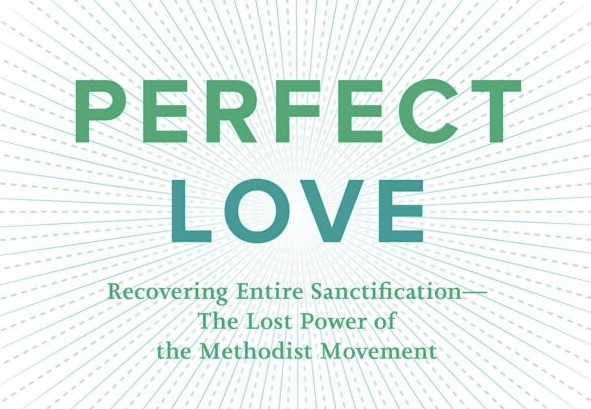
P.S. If you do click through, you’ll see that Matt cites a piece I wrote, “What Is Entire Sanctification,” that was published by Seedbed. The piece is actually an excerpt Seedbed published from my book Perfect Love. If you want to know more about the doctrine of entire sanctification, you should buy my book. It is an accessible and easy to read introduction to the most distinctive belief of Wesleyan Christians.
Kevin M. Watson is a Pastor and the Senior Director of Christian Formation at Asbury Church in Tulsa, OK. He is also on the faculty at Asbury Theological Seminary, anchoring the Seminary’s Tulsa, OK Extension Site. His most recent book, Doctrine, Spirit, and Discipline describes the purpose of the Wesleyan tradition and the struggle to maintain its identity in the United States. Affiliate links, which help support my work, used in this post.
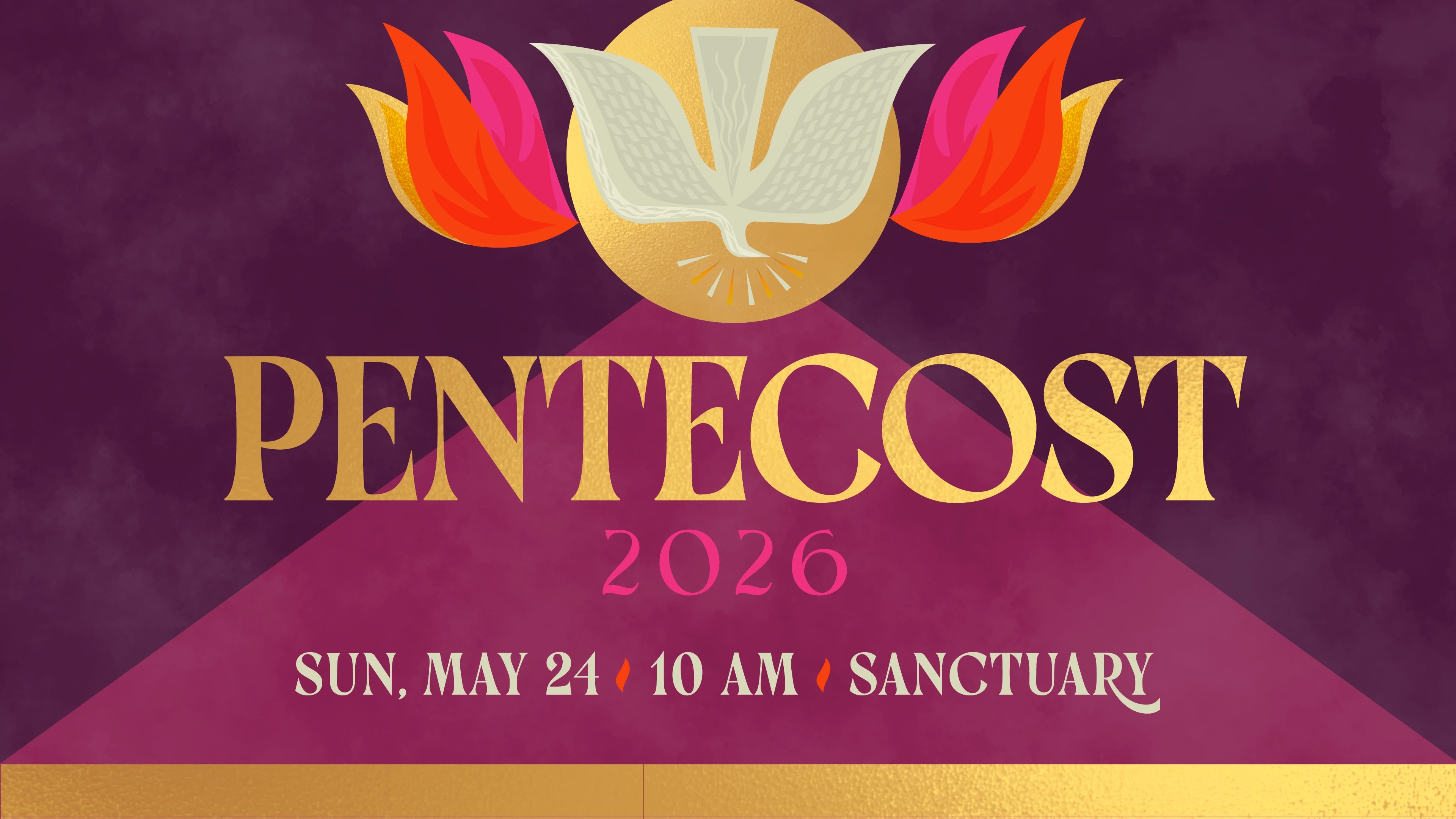
On May 24, 2026, Asbury Church started a new ecclesial network we are calling The Asbury Connection. The name is in honor of Francis Asbury, the father of American Methodism.
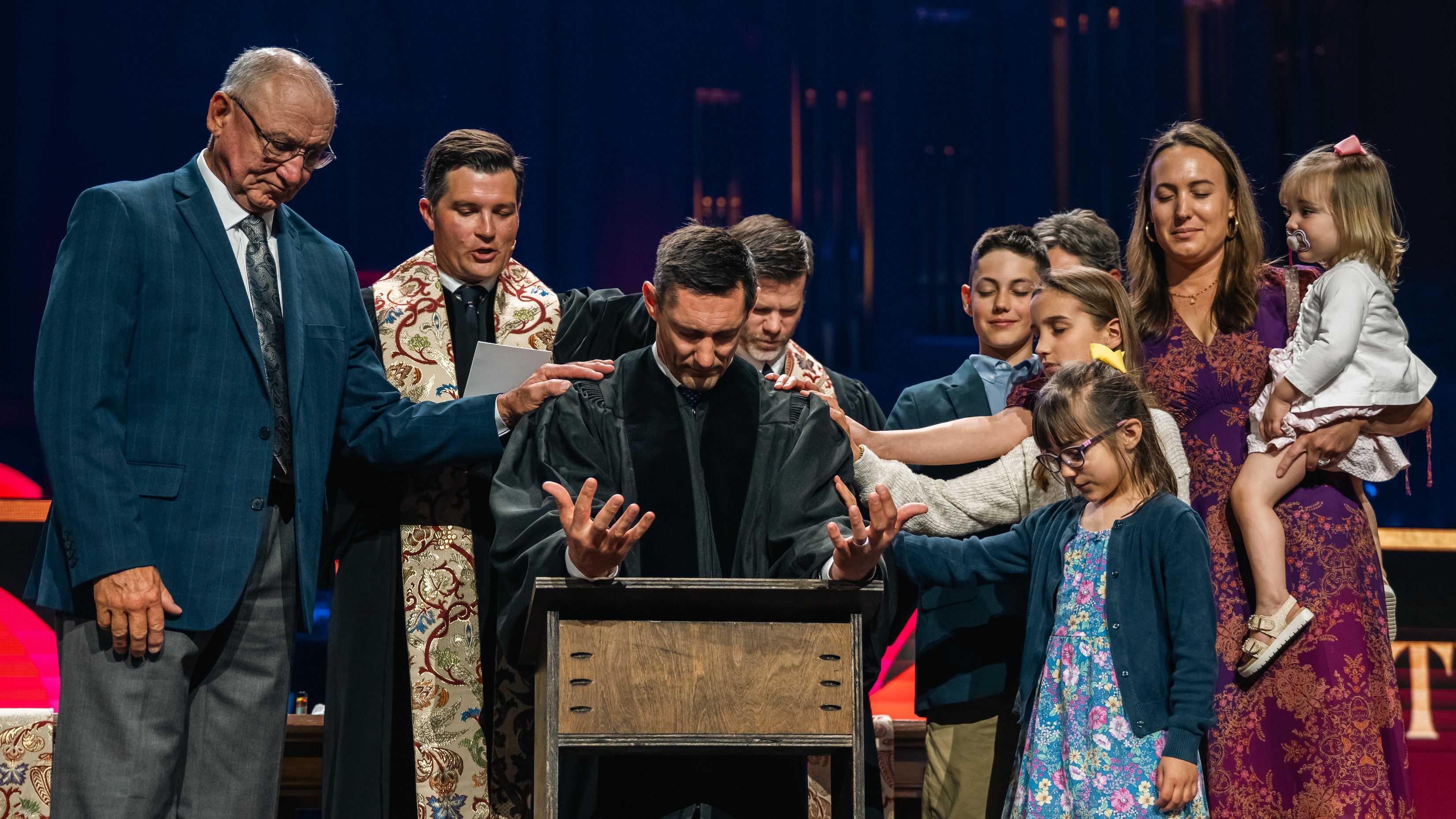
On that day, I participated with Rev. Andrew Forrest, the senior pastor of Asbury Church, in a service of ordination where we ordained four of our pastors deacons and three of them elders. We also recognized the ordination of one of our pastors, who was previously ordained in the Wesleyan Church.
Considering that I was ordained in the United Methodist Church and was teaching in a United Methodist seminary not that long ago, this was a big step for me that I did not take lightly.
In this post, I want to share why:
I decided to do this.
I am excited about what is happening at Asbury Church.
I am hopeful about the future.
You should consider joining us.
Before I share these things, let me offer the clarity that this post is an articulation of my own views. I am not speaking on behalf of Asbury Church or the Asbury Connection.
Why I decided to transfer my ordination to the Asbury Connection
I moved to Tulsa soon after Asbury Church voted to withdraw from the United Methodist Church. I missed some of the first conversations we had with various denominations that we considered partnering with after disaffiliation. But I was present and participated in most of the conversations over the course of a 3.5-year discernment process.
During that season, we asked: Which denomination or group or structure is asking the right questions? What group would best set Asbury up to reach the nations for Christ? Where would we be most fruitful and faithful? Which structure is best suited to help churches fulfill the Great Commission in 21st-century America?
I agreed with the discernment of the leadership of Asbury Church that the right connection or denomination did not exist for Asbury. And so, we came to the conclusion that it was our God-given responsibility to start the new connection that we ourselves have been searching for.
I have always had a hard time ignoring the elephant in the room. The most obvious place for Asbury to have joined, by far, was the Global Methodist Church. For now, I will just say that we invested significant time and energy trying to find a path that would work for us to join the GMC. Ultimately, what would have worked for us did not work for the GMC. Deciding not to join the GMC was not a flippant decision that was made lightly.
I am at peace about that. I have many friends in the Global Methodist Church. I am for them and for their ministries. And I will continue to do what I can to serve the GMC as I’m invited to do so.
I stood with Andrew in ordaining our pastors because I believe it was the next right step for us to take. If you are interested in why I am convinced bishops are not necessary for ordination in the Wesleyan tradition, check out this post.
Why I am excited about what is happening at Asbury Church
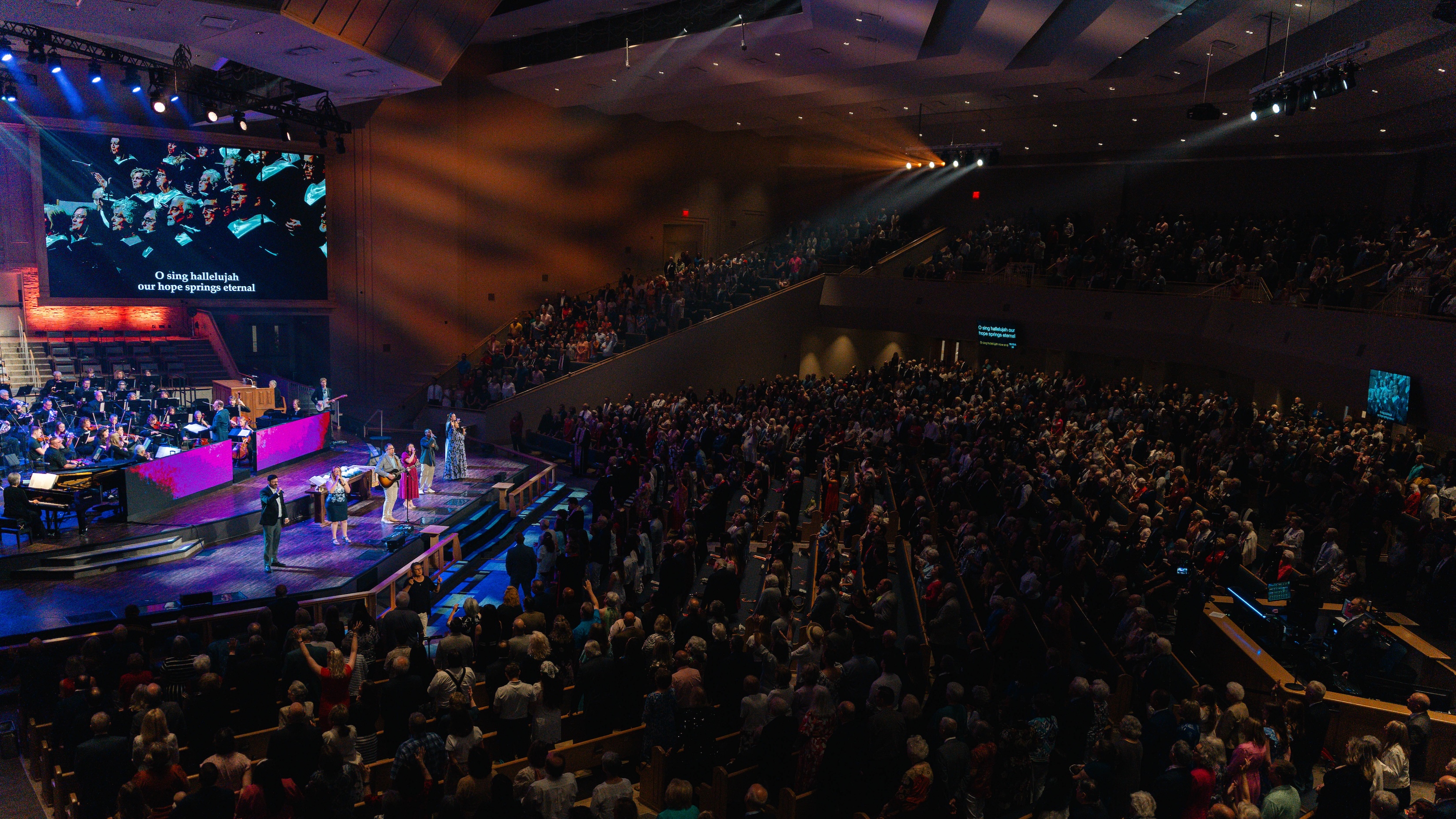
Asbury is growing and there is a lot of energy and excitement around the church on Sundays in particular. It is fun to be leading at a healthy and growing church.
This weekend, we had 2,993 people in person in worship. That is an 11.2% increase from 1 year ago.
At Asbury Church, we work hard and it is good for staff morale when there is tangible evidence that we are winning.
A brief explanation about how we count attendance: We have overhead cameras that take photos of the room and we count noses. The noses we count are literally the noses in the room in worship, not adult education classes, student ministry, or children’s ministry. We do not count online views of livestreams or recordings of worship services in our attendance numbers. In fact, at Asbury we say, “Online church isn’t.” This is an important clarification because many churches do include online numbers in the way they report attendance, which can give a very different mental picture of what is happening on a Sunday morning than what you would experience if you showed up in person. When we say we had 2,993 people in worship last Sunday, we literally mean we counted 2,993 people in the room during our four worship services.
This is a big deal for me and a great example of why I am excited about the Asbury Connection. I do not want to be a part of an institution that encourages disembodied and gnostic spirituality by encouraging people to think of watching a screen as participation in the Body of Christ. And I do not want to be part of an institution that encourages dishonest or manipulative speech that distorts reality. The tendency in denominations I’ve been a part of to encourage counting online views of livestreams of worship, or to count every person who comes into the church at any point for any reason as part of the worship attendance numbers, feels too close to manipulating or distorting reality for my comfort. (We do track attendance in our Adult Discipleship Communities and our children’s and student ministry. We simply do not count it in our worship attendance, because that is not what it is.)
All that to say, I am excited to be at a church that is honest and straightforward in how it counts worship attendance.
As soon as you talk about numbers in terms of growth, especially at larger churches, there will be someone who offers a critique like: “Oh, so, you only care about numbers?”
No. We care about numbers because each number is a person.
Decline happens. It sometimes happens when everyone involved is doing the best they can, but the demographic trends are all working against them. My issue was being a part of an institution that had seen decline every single year of its existence and had come to frame its slow death as a virtue.
In some interactions outside of Asbury Church, there is an assumption that we think we are better than everyone that is smaller than us. We don’t. We say all the time that large churches are not better than medium and small churches. And we mean that. I pastored a small church right out of seminary. I learned a ton. The people were amazing. And because of their context, they are never going to be a large church. That church was faithful and it was not less faithful because of its average attendance numbers.
Large churches are not better than small churches. But they are different. We think about the difference in many ways in terms of stewardship. There are things that large churches can do that small church cannot do. For example, we can host large events well because of the size of our facility and because our staff has experience hosting large events literally every single week. We can also hire staff who specialize in a particular area of gifting in a way that is more difficult in smaller churches, especially churches that only have one fulltime staff member, the pastor.
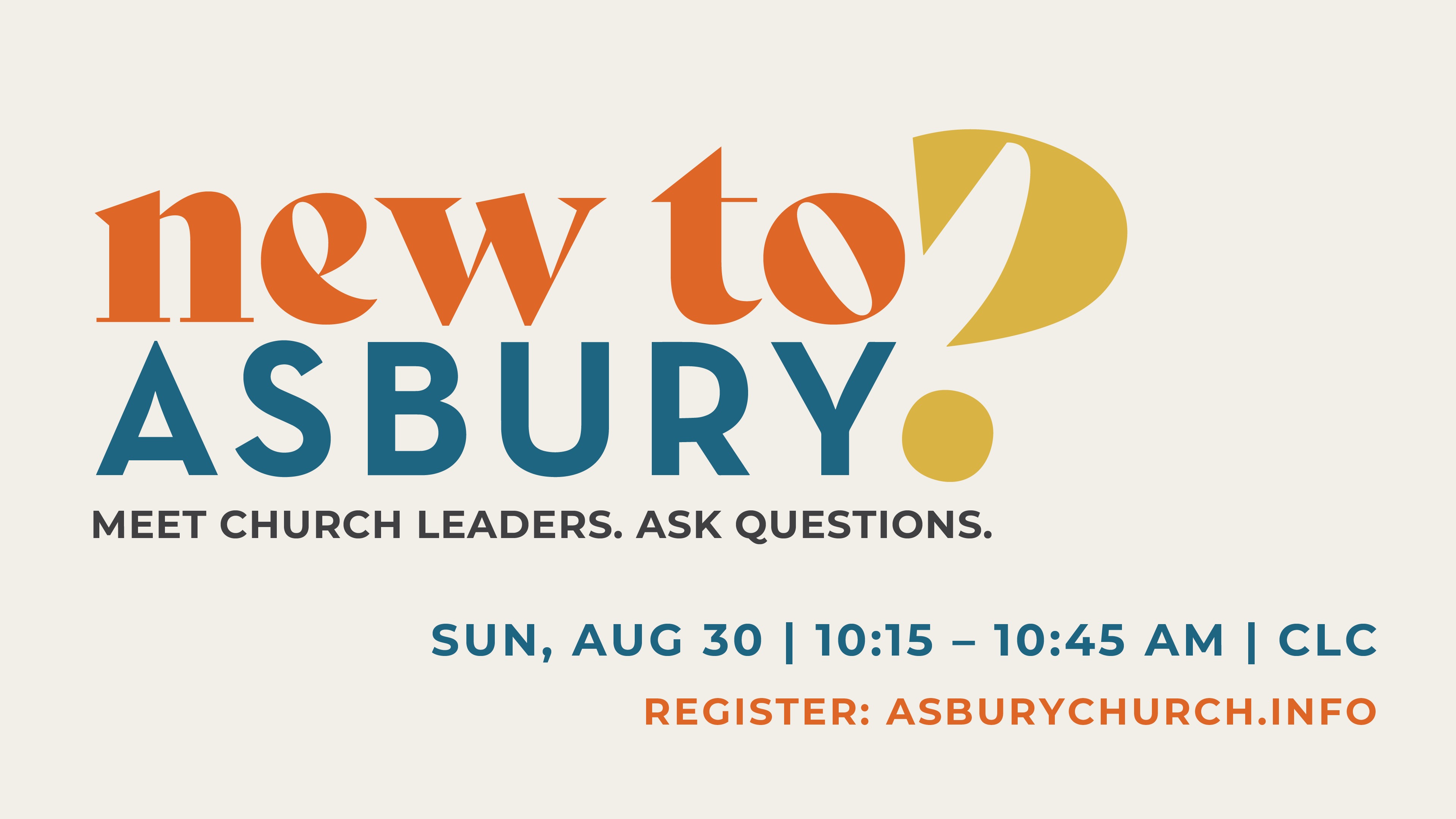
Ok, so I am excited to be a part of a church that is experiencing healthy and significant growth. I am also excited about the opportunity I have been given to develop a discipleship pathway for our church. Since I have been here, we have started a New to Asbury Brunch. This gives us a chance to meet folks who are checking out Asbury and wanting to know more. It gives me the chance to set the culture of our church on the front end that helps people decide whether they want to stick around and get to know us better.
Related to that, I am really thankful to be at a place where there is spiritual covering to speak clearly about what we believe, because it is what the church believes. When I was teaching in United Methodist theological education, I was always surprised by how much of a physical toll it took on me to articulate orthodox sexual ethics in the classroom or in events outside of the seminary. I remember feeling tired and just overall worn out for weeks after a conference at the seminary I was at after the 2016 General Conference of the UMC before the Special General Conference in 2019. I felt the same after I participated in a debate with a colleague from the same seminary about the Bible and same sex marriage.
At Asbury, we believe that clarity is kindness. We work to use plain speech and to say what we mean. We do not believe in manipulation and working to lead people without them knowing exactly where they are being led.
And so, I tell everyone who attends the New to Asbury Brunch that we are not woke and we are conservative regarding sexual ethics in every respect.
People are sometimes surprised that we are so clear about where we stand, and they appreciate it. I think this is because there are far too many church contexts that are like an experience of the children’s story The Emperor’s New Clothes. It is refreshing and a relief to be part of a culture where clarity and straightforward speech is valued.
For me, it is a breath of fresh air to serve at a church where I am encouraged to be direct and candid in what we believe, and that I am in sync with all of it. Not only do I not feel tired after speaking at a New to Asbury Brunch, it is energizing.
I think this is the difference that spiritual covering and properly aligned authority structures makes.
Why I am hopeful about the future
As I have written elsewhere, I believe the next season of ministry in the United States is going to be hard. It is going to take our best effort. And yet, I am genuinely and deeply hopeful about the future. In fact, I am most hopeful about the future that I have ever been in ministry. Here’s why:
I believe that the coming years are going to see significant changes in the American church. In particular, I think there are going to be surprising and exciting realignments as mainline denominationalism continues to decline both in terms of its size and its influence in the broader culture.
I think the future will bring increasing cooperation and networking among non-denominational churches that are open to the person and work of the Holy Spirit.
I could be wrong, but I am hopeful.
And I hope the Asbury Connection will be a part of this realignment.
I think we are seeing openness to New Testament Christianity, including the fullness of the gifts of the Holy Spirit, becoming mainstream in American evangelicalism. I also think churches that have kind of stumbled back into openness to Spirit have learned from the excesses and mistakes of some Pentecostal and charismatic churches.
I am hopeful about the future here because I have seen Asbury Church become more open and hungry for the fullness of the gospel. We have had prayer and healing services, with more response and hunger than I expected. And, thankfully, virtually no resistance or pushback. I see our pastors stepping into greater authority and wanting more for our people. It fires me up to hear people scheduling prayer sessions to spend time in prayer with someone who needs breakthrough from a particular bondage or addiction.
I am hopeful because I do not feel like we are striving or trying to force something. In the times I’ve been asked to lead, I have just tried to give space for the Lord to do what he wants to do in our midst. And it has been a blessing to witness.
I am also hopeful because Asbury has the strongest tangible commitment to raising up the next generation of leaders for the church that I have ever seen.
This summer we hired 6 high school students to work as interns in our student ministry. It was SO FUN to see high school students praying for their own ministry and teaching the Bible to their peers. It was a blessing to see them planning, preparing, and executing their own vision over the summer. One weekly summer event, a boys Bible Study, doubled in size compared to last summer. And it was entirely through the work of our student interns.
Our student interns also helped start a student leadership team for this year, which will continue the work they started over the summer. I cannot wait to see what the Lord does through them this school year!
We also hired three college students to work as mission interns over the summer. They brought energy and joy to our work as a staff. Rodney Adams, our Executive Pastor, led a group of 6 of our staff to attend Acton University this summer. 2 of our college interns went on that week-long trip and it was great to get to know them better.
The biggest investment we are making in raising up the next generation of leaders for the church is our Fellowship Program. It is now in its second year, which is hard for me to believe. We saw a significant increase in interest this year compared to last year. I am proud of our Fellows and excited to see how the Lord will use them in the church after they complete their Fellowship. For me, simply having Fellows in the room reminds me of the stakes of what we are doing. Formation is always happening. And those coming up after us will not appear out of thin air. We must intentionally invest in the next generation. We are literally putting our money where our mouth is by hiring people for 2-year Fellowships that are full-time staff positions.
Finally, we made a commitment to start a School of Ministry when we launched the Asbury Connection. Last week, I started a pilot project to begin to build out the Asbury School of Ministry. It will serve as the last stage in our discipleship pathway, because, while there is always more Christians can learn, Christian discipleship should not be thought of as a never-ending university seminar. I have known that for a long time, but I’ve had a hard time figuring out what the end of a discipleship pathway should actually look like. When it is fully released, this will be a rigorous and intense period, most likely 2 years, where people will leave knowing they’ve been equipped to serve in the church. They will then focus on being on mission for Jesus in their lives, feeding themselves and others as spiritual parents.
The Asbury School of Ministry will also be a key piece of the way we form our candidates for ordination as deacon. Many of these candidates have or will attend seminary, which we fully support. (After all, we have an Asbury Theological Seminary Extension Site on our campus.) Formal theological education will be required for ordination as an elder.
Why you should consider joining us
There are several groups of people I think should consider joining us.
If you are following leaders at Asbury Church because you like what we are doing and find it helpful to your work, you should join what we are doing. I have been surprised and encouraged by the folks who reached out immediately when they found out about the Asbury Connection who I had no idea were even watching us.
You should consider joining us if you have felt like you haven’t found your people yet and you think you might like to follow us, or you want to row with us. I’d love to connect you with folks on our team so you can learn more about the Asbury Connection and where we are headed.
You should consider joining us if the existing denominational options weren’t the right fit for you, but you also would like to have more connection and not less with a body of believers outside of your local church.
Our model is a hub and spoke model. We will have large regional churches with small churches connected to and resourced by them. The Asbury Connection will not be a denomination with a large and unwieldy bureaucracy. The Asbury Connection will have a faith statement and common ordination standards.
To give one example of the distinction: The Asbury Connection will not take on itself the responsibility to provide health insurance for every employee of every church in the Connection. We believe this goes too far in terms of removing authority and responsibility from the local church. (As it happens, denominational insurance also has a major financial penalty on small churches and their employees at the order of tens of thousands of dollars per employee per year.)
The Asbury Connection will also not have a trust clause. (I cannot imagine any church that left the UMC ever deciding to join anything with a trust clause.)
On the other side, the Asbury Connection will value and enforce doctrinal conformity and adherence to ordination standards across the connection.
There is so much going on in the aftermath of the collapse of the UMC. It will take a while before the dust settles and we can really see what has happened.
Here is the short version for me for why I am excited for the future of the Asbury Connection: The available denominational options have felt too much like the United Methodist Church that I chose to leave. But the alternatives that have arisen don’t feel like they have strong enough ties that bind.
The timing of Pentecost this year, when we launched the Asbury Connection, was particularly sweet, because it was on May 24th, which is also the anniversary of John Wesley’s famous Aldersgate Street experience where he testified:
I felt I did trust in Christ alone for salvation; and an assurance was given me that He had taken away my sins, even mine, and saved me from the law of sin and death.
For me, this felt like a symbolic connection to our theological heritage. Our goal is not to depart from the tradition we’ve been a part of. Rather, it is to enter more fully into it. We want to see the Lord breathe new life into the best of the Wesleyan theological tradition through our new Connection.
As I close, I’m thinking about John Wesley’s last words. They give me hope and joy as I move into the future:
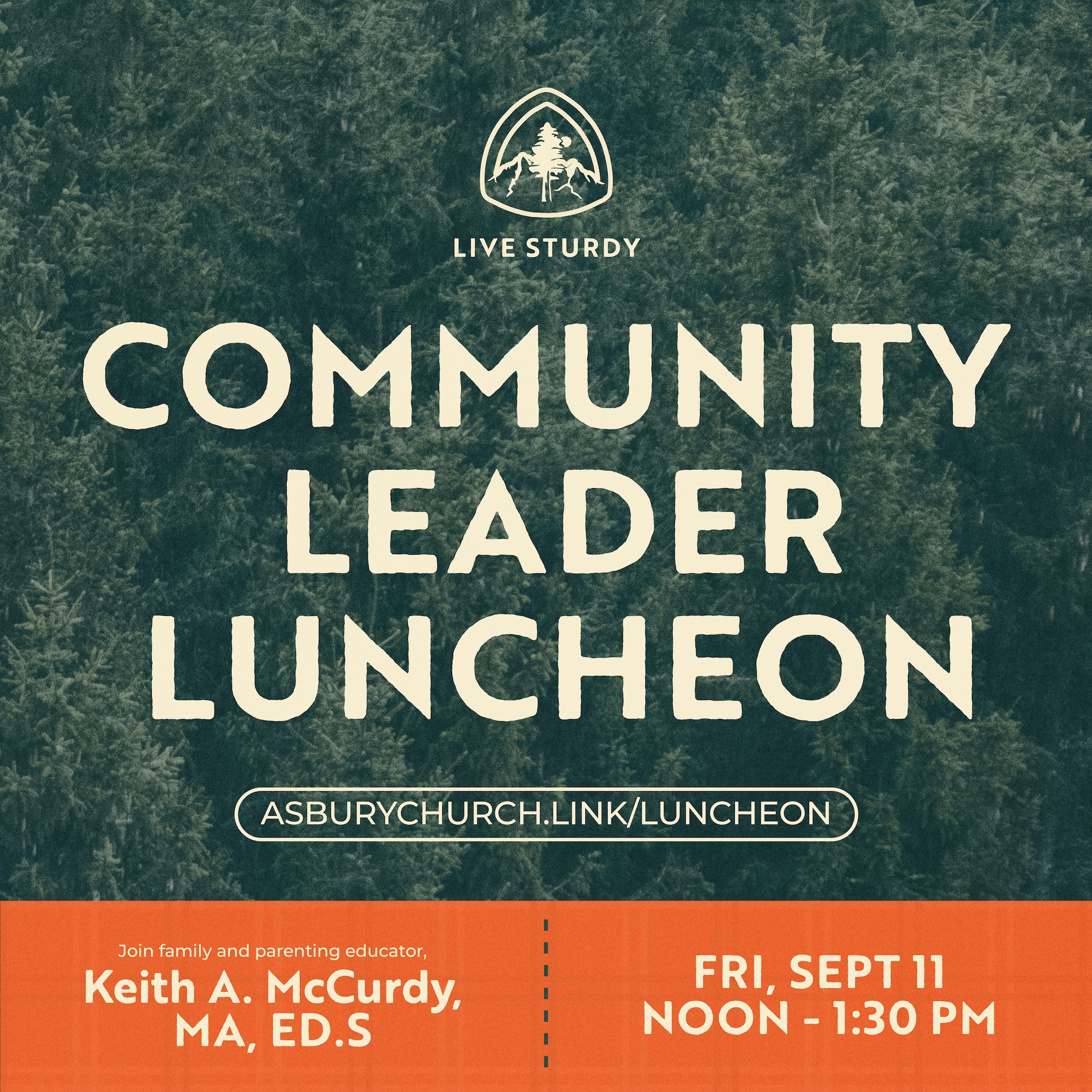
Asbury Church in Tulsa, OK is hosting a parenting conference in September. It will be led by Keith McCurdy, who offered a similar workshop a few years ago. It was extremely well received. So, we are bringing Keith back!
I have read Keith’s new book Raising Sturdy Kids. It is wise, practical, and applicable. He sees the challenges kids are facing right now and is a helpful guide for engaging the cultural chaos of the moment in way that is rooted and grounded in the gospel. I wish I’d read his book when my daughter, who is headed off to college soon, was on her way to preschool.
This event is being organized and led by Rev. Graeme Collett, a colleague and friend of mine here at Asbury. Graeme has a vision to invest in pastors, school administrators, teachers, and others who lead the next generation outside of our church. If that is you and you are in the Tulsa area, or can make it to Tulsa, we are bringing Keith in to meet specifically with you to serve you and bless you.
The description from the registration page for this event is below. Lunch is provided, but registration is required. Register here.
This will be worth your time. I hope to see you there!
P. S. You are welcomed to register to attend the parenting conference itself. It is September 11 from 6:00 pm to 8:30 pm and September 12 from 8:30 am to 3:30 pm at Asbury Church in Tulsa (6767 S. Mingo Rd. Tulsa, OK 74133). Three meals are included with registration. The cost is $60 per adult. Register for the parenting conference here.
Friday, Sept 11 | NOON—1:30 PM Hosted at Asbury Church, 6767 S. Mingo Road, Tulsa, OK
Asbury Tulsa is honored to host a special luncheon for community leaders featuring nationally respected family counselor, educator, and consultant Keith McCurdy.
The topic for our luncheon is “Leading the next generation in the midst of cultural chaos”.
This gathering is designed for those who are investing in the next generation every day—school administrators, teachers, counselors, church leaders, nonprofit staff, coaches, and community partners. Together, we’ll explore the unique challenges facing today’s children, teenagers, and families, while gaining practical insights for leading, serving, and supporting young people in an increasingly complex culture.
Keith McCurdy is a Family and Parenting Educator and Consultant, Licensed Professional Counselor, and Licensed Marriage and Family Therapist. Drawing from decades of experience working with families, schools, churches, and organizations across the country, Keith brings a thoughtful, practical, and faith-informed perspective on developing resilient young people. His work emphasizes the importance of healthy struggle, emotional resilience, and cultivating environments where children and students can thrive.
Whether you lead in a classroom, a church, a nonprofit, or another community setting, you’ll leave encouraged and equipped with practical tools, a broader understanding of the challenges facing today’s generation, and renewed vision for the important role you play in shaping their future.
Lunch will be provided, and there is no cost to attend. Registration is requested as seating is limited.
We hope you’ll join us for this meaningful opportunity to learn, connect with fellow community leaders, and invest together in the next generation.
I had the privilege of preaching at Asbury Church last weekend, the week before we launch the Asbury Connection on Pentecost.
I talked about new beginnings and the opportunity we have with this beginning to consecrate ourselves for a new season in the life of our church.
I preached Joshua 1:1-9, a beginning I’ve been reading and praying on for years. I also shared three stories from the history of the Wesleyan/Methodist tradition that point to key beginnings for the Wesleyan tradition.
I had a timer on stage that was counting down to the beginning of our Pentecost service. It felt like the perfect image for me, because I wanted my sermon to kick off the final week of preparation for the beginning of the Asbury Connection.
I hope you’ll check out my sermon here:
I can’t wait to see what the Lord does this weekend!
Kevin M. Watson is a Pastor and the Senior Director of Christian Formation at Asbury Church in Tulsa, OK. He is also on the faculty at Asbury Theological Seminary, anchoring the Seminary’s Tulsa, OK Extension Site. His most recent book, Doctrine, Spirit, and Discipline describes the purpose of the Wesleyan tradition and the struggle to maintain its identity in the United States. Affiliate links, which help support my work, used in this post.
If you have hard work to do and much is unclear, what is the most important thing to get right?
First, a word about why the church has hard work to do and much is unclear. Then, my answer to what I think is most important to get right.
For several years I have thought about how much disruption and change has been happening in the culture, church, and academy.
An image I often use is tectonic plates shifting, which cause earthquakes. The rumbling and shaking from earthquakes can alter the surrounding landscape and cause significant damage to buildings and infrastructure.
Tectonic plates have been moving in the culture, church, and academy. Or, perhaps one has caused rumbling and shaking that has altered the landscape of the others.
From my seat as a seminary professor and pastor, I have been trying to articulate the challenges the church is facing. If you can diagnose the problem, then you will have an easier time identifying potential solutions.
I wrote a post a few months ago I titled: “Where Do We Go from Here?” It focused on demographic trends that show how difficult things will be for churches like mine in the coming years.
I worked really hard on that post and am proud of it. If you missed it when I first published it, I hope you’ll check it out here. The argument I’m making here, really builds on this post.
I keep thinking about one thing from that post. After summarizing demographic data from Ryan Burge and summarizing analysis from Aaron Renn and Christian Smith, I made a basic comment on what is facing the church:
This is going to be really difficult.
I think it might be particularly hard for people in my tribe (folks who were reared in Mainline Methodism). I don’t think people have yet understood just how deep and wide the culture shifts from the mid-2010s through the pandemic have been. We are not going back. The landscape has changed.
Conversion to faith in Jesus is much harder than it was a few decades ago, much less 50 years ago.
I think the way denominations have functioned, since the founding of the UMC in 1968, has been within a Positive World framework. We don’t even live in Neutral World anymore. We live in Negative World. The strategies and plays from Positive World don’t work anymore. And the evidence of that is in front of many of our faces every Sunday morning.
(If the Positive, Neutral, and Negative World framework isn’t familiar to you, I highly suggest reading Aaron Renn’s “The Three Worlds of Evangelicalism.”)
One of the reasons the work facing the church is going to be really difficult is because we are trying to understand exactly and how much things have changed while things continue to change. (From legalizing same sex marriage to fluid gender separated from biology, to woke ideology, to the gradual and then rapid rise of AI, and so on.) And while we are trying to understand (but don’t fully understand), we must make decisions and act.
It is ok to not be confident about the right answers to the variety of challenges facing the church.
I don’t think it is ok to recognize that things aren’t working and just stubbornly keep doing the same things anyway.
And I don’t think it is ok to pretend that things are just fine and continue with the work of the church with strategies that worked in the 1980s.
Again, people coming from Mainline Protestant contexts may be particularly at a disadvantage here. I’m not sure if they are worse off than Southern Baptists or Roman Catholics. I don’t know those denominations well enough to have an informed opinion.
A major disadvantage of my background was being formed in a bureaucratic and risk-averse institution that was often unwilling to acknowledge reality at all if it was inconvenient.
Let me illustrate this with one example:
At the Annual Conferences I attended, there would be a part of the conference where we had to vote to close churches that were no longer viable. They usually had less than 10 people in average attendance and were not able to pay to maintain their building. One would think this would be cause for lament or self-reflection. There was no need for shame or condemnation. But it was sad. Yet, these churches were always introduced in a way that you would have thought they were among the most dynamic and effective churches in the entire conference at sharing the gospel and the church’s mission to make disciples. One year, I leaned over and asked a friend, “If that church is doing so well, why is it closing?”
It felt like a very strange adaptation of the children’s story The Emperor’s New Clothes. (Spoiler: The emperor had no clothes on. But everyone pretended that he did, until a child who didn’t know any better articulated what was obvious to everyone loud enough for even the emperor to hear.)
So, church leaders are faced with the challenge of accurately diagnosing, and then understanding, the times in which we live (while they continue to rapidly change). And they must also continue to do the work of the church as best they can in real time.
On top of that, in many of the places I’ve been, there is a strong aversion to leaders leading. At times, the attempt to lead is itself offensive. This is often, though not always, an overreaction to the failures of a previous leader (or the failures of the system that sabotaged the previous leader). These things are complicated!
Back to the question I began with: If you have hard work to do and much is unclear, what is the most important thing to get right?
My answer: The most important thing to get right is answering the question: Who do you want to work with on hard things?
This is the best way I can explain the joy I’ve found in my work at Asbury Church. At one level, my job at the church is the hardest job I’ve ever had. But I am having the most fun I’ve ever had. I am having fun because I am part of a team that is willing to ask hard questions, refuses to settle for polite nonsense, and keeps pressing because we believe that God is not done with us and he has more for us.
We don’t have all the answers. That’s ok. No one does.
The work of the church has always been hard. And it is the best job in the world. I believe a key to thriving in this work for the long haul is finding the people you want to work with on hard things.
I found my people and I’m grateful.
P.S. If you’re interested in seeing the kind of work I’m doing with my people, check out our Pentecost service, which will launch the Asbury Connection. (It will also be available on Asbury Tulsa’s YouTube channel a few days after the service.)
Kevin M. Watson is a Pastor and the Senior Director of Christian Formation at Asbury Church in Tulsa, OK. He is also on the faculty at Asbury Theological Seminary, anchoring the Seminary’s Tulsa, OK Extension Site. His most recent book, Doctrine, Spirit, and Discipline describes the purpose of the Wesleyan tradition and the struggle to maintain its identity in the United States. Affiliate links, which help support my work, used in this post.
I am a small “c” conservative. I want to understand why something is the way that it is before I tear down, rearrange, or remove it entirely. In my work as an historian, I often find it helpful to simply reread key documents to understand why things were the way that they are and, therefore, are the way that they are.
One document I have read many times since I left the United Methodist Church and have been praying, talking with others, and seeking to discern the way forward post-disaffiliation from the UMC is the letter John Wesley wrote to “Our Brethren in America” after he took the bold step of ordaining two lay people deacons and then elders in order to launch the Methodist Episcopal Church.
As is typically the case with historical documents at key inflection points in history, there is much in this letter that is of interest. But there is one detail that I’m not sure I really understood or appreciated until it became clear to me that I would not be able to stay in the UMC. I am convinced Wesley is correct about this detail and it has been a key piece of my own discernment about what I think the Lord is doing in my life and at my church.
First, a bit of background to help you understand this letter. Wesley wrote the letter to “Our Brethren in America” after he and James Creighton ordained Richard Whatcoat and Thomas Vasey as deacons on September 1, 1784, and then elders on September 2. Wesley and Creighton also laid hands on Thomas Coke, who was an ordained elder in the Church of England, and set him apart as a superintendent.
These actions were crucial steps toward establishing denominational Methodism, leading to the formation of the Methodist Episcopal Church, which was the first Methodist denomination in the United States.
The steps Wesley took were also controversial and radical. John Wesley was an elder in the Church of England. Elders do not ordain in the Church of England, bishops ordain. John Wesley was not a bishop. And so, Wesley’s decision to take authority to ordain upon himself required explanation. And that is what Wesley did in his September 10, 1784 letter to “Our Brethren in America.”
Here it is in its entirety:
By a very uncommon train of providences many of the Provinces of North America are totally disjoined from their Mother Country and erected into independent States. The English Government has no authority over them, either civil or ecclesiastical, any more than over the States of Holland. A civil authority is exercised over them, partly by the Congress, partly by the Provincial Assemblies. But no one either exercises or claims any ecclesiastical authority at all. In this peculiar situation some thousands of the inhabitants of these States desire my advice; and in compliance with their desire I have drawn up a little sketch.
Lord King’s Account of the Primitive Church convinced me many years ago that bishops and presbyters are the same order, and consequently have the same right to ordain. For many years I have been importuned from time to time to exercise this right by ordaining part of our traveling preachers. But I have still refused, not only for peace’ sake, but because I was determined as little as possible to violate the established order of the National Church to which I belonged.
But the case is widely different between England and North America. Here there are bishops who have a legal jurisdiction: in America there are none, neither any parish ministers. So that for some hundred miles together there is none either to baptize or to administer the Lord’s supper. Here, therefore, my scruples are at an end; and I conceive myself at full liberty, as I violate no order and invade no man’s right by appointing and sending laborers into the harvest.
I have accordingly appointed Dr. Coke and Mr. Francis Asbury to be Joint Superintendents over our brethren in North America; as also Richard Whatcoat and Thomas Vasey to act as elders among them, by baptizing and administering the Lord’s Supper. And I have prepared a Liturgy little differing from that of the Church of England (I think, the best constituted National Church in the world), which I advise all the traveling preachers to use on the Lord’s Day in all the congregations, reading the Litany only on Wednesdays and Fridays and praying extempore on all other days. I also advise the elders to administer the Supper of the Lord on every Lord’s Day.
If any one will point out a more rational and scriptural way of feeding and guiding these poor sheep in the wilderness, I will gladly embrace it. At present I cannot see any better method than that I have taken.
It has, indeed, been proposed to desire the English bishops to ordain part of our preachers for America. But to this I object; (1) I desired the Bishop of London to ordain only one, but could not prevail. (2) If they consented, we know the slowness of their proceedings; but the matter admits of no delay. (3) If they would ordain them now, they would likewise expect to govern them. And how grievously would this entangle us! (4) As our American brethren are now totally disentangled both from the State and from the English hierarchy, we dare not entangle them again either with the one or the other. They are now at full liberty simply to follow the Scriptures and the Primitive Church. And we judge it best that they should stand fast in that liberty wherewith God has so strangely made them free.
There is so much in this letter that is interesting and even instructive for the church today. I think the second to last paragraph might be my personal favorite. I love Wesley’s humility, honesty, and willingness to lead in the midst of wrestling. He basically says, “If you can show me a better way, I would love to be convinced. I’ve thought about this for years and this is the best I can come up with. It was time to act, so I did the best I could with everything in front of me.”
I appreciate this because our assumption ought to be that this is what everyone has been doing on the other side of disaffiliation. We may not get everything right, but we must do the best we can.
As much as I like the details in that paragraph, however, it is not the detail I was referring to at the beginning of this post.
Did you notice John Wesley’s own understanding of ordination and how different it is from that of contemporary mainline Methodism?
The key detail is in one short phrase: “Bishops and presbyters are the same order, and consequently have the same right to ordain.”
John Wesley was not a bishop. American Methodism did not start with bishops as a separate office or order from elders. The elders were the overseers. This is why bishops are not ordained in the UMC, for example. They are set apart among the elders to superintend the work beyond the local church. (This is one reason that there has been debate about whether bishops in the UMC ought to be a lifelong office, or only an office one has while one is actively exercising the functions of the office.)
Here is the key detail that I believe gives warrant to elder-led ordination in Wesleyan polity and ought to at least give humility to those who follow in John Wesley’s footsteps who embrace an episcopal polity:
American Methodism did not begin with bishops as a required office for ordination. It began with an elder (John Wesley) deciding to take authority himself to ordain based on his reading of a history of the early church and the New Testament witness.
For me personally, this has made me relax about concerns about apostolic succession as a continuous line of succession of ordination that is rightly ordered that goes all the way back to the apostles. American Methodists of any stripe don’t have a claim to that because our first ordinations did not come from a bishop, but from an elder taking the authority to ordain without the blessing of his own church.
I am not saying Methodism is missing one of the marks of the church. We are apostolic in that we are carrying, stewarding, and defending the teaching of the apostles to hand it down to the next generation.
Let me also say I was ordained by a bishop. I am thankful to have been ordained by Bishop Robert E. Hayes, Jr. I do not think it is wrong for Methodists to have bishops. I also do not think it is wrong for Methodists to not have bishops. Why?
Because the beginning of Methodism as a denomination is literally built on the conviction that bishops and elders are the same order.
I believe Wesley was correct. In the New Testament, elders and overseers are the same category. In Acts 20:17-35, Paul is speaking to one audience. In Acts 20:17 Paul “called the elders (presbyteros) of the church to him.” It is to these same people (the elders), Paul says in verse 28, “Pay careful attention to yourselves and to all the flock, in which the Holy Spirit has made you overseers (episkopos), to care for the church of God, which he obtained with his own blood.”
For what it is worth, when you look at the history of the Wesleyan tradition in the United States across the range of Wesleyan denominations, the office of bishop is one of the significant places of disagreement among these denominations. Again, this doesn’t mean it is wrong to have bishops. It does mean that there have been spectacular abuses of power from some American Methodist bishops. There have also been many examples of some bishop’s asserting their personal convictions over and against the clear polity of their own church.
All of this matters to me, because Asbury Church, where I serve, will hold a service of consecration and ordination this Pentecost. We will not have bishops at this service. The ordinations will be elder led. And I am going to participate. Over the past several years, I have spent a significant amount of time and energy reading, thinking, and praying about the best path forward. I have listened and tried to understand the various approaches other churches that left the UMC have taken. Like Wesley, the best I can say is, “I cannot see any better method than that I have taken.”
I am not taking this step begrudgingly or hesitatingly, though I have spent a season of watching and waiting. I am taking this step with joyful expectation for what the Lord has in store for us. If we are wrong, the Lord will make it clear to us. But with the best light I have right now, I am as confident as I can be that this is what the Lord is leading us to do.
As Asbury Church, we believe that if you are still breathing, God has more for you. This phrase comes from our Senior Pastor, Rev. Andrew Forrest. It is a beautiful contemporary expression of the Wesleyan belief in the possibility of radical holiness in this life. From womb to tomb, God always has more!
I can’t wait to see the details of that “more” coming into focus over the coming weeks and years.
Kevin M. Watson is a Pastor and the Senior Director of Christian Formation at Asbury Church in Tulsa, OK. He is also on the faculty at Asbury Theological Seminary, anchoring the Seminary’s Tulsa, OK Extension Site. His most recent book, Doctrine, Spirit, and Discipline describes the purpose of the Wesleyan tradition and the struggle to maintain its identity in the United States. Affiliate links, which help support my work, used in this post.
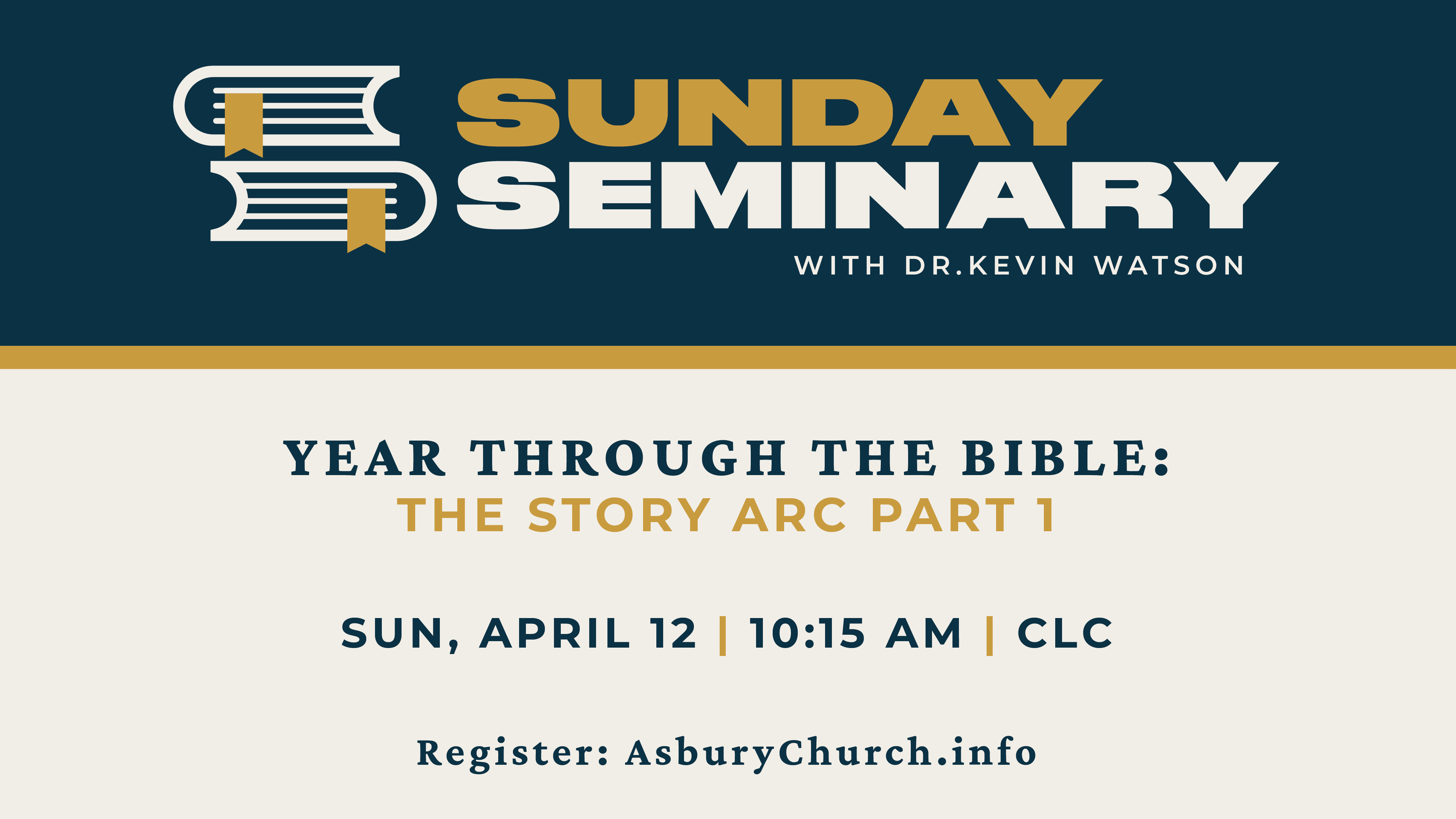
I wanted to share something I am doing this Sunday (April 12) at Asbury Church. If you live near Tulsa, I hope you’ll come.
We have been reading through the Bible this year at Asbury using the One Year Bible. At Asbury, we are a Bible reading church. And it hs been really fun to take on the challenge of reading through the entire Bible together this year.
I also know the Bible can be confusing. I want to give you a short, memorable overview of the Bible. This Sunday from 10:15-11:00 (between the 9am and 11am services, so it does not conflict with Discipleship Communities) in the CLC I will give a short and engaging overview of the first 5 books of the Bible, Genesis through Deuteronomy.
If you have not joined us in reading the Bible this year, this is also a great opportunity to start. We start Joshua tomorrow, and so Sunday’s class will be a great opportunity to catch up on the story so far. You can just jump in on April 12ths reading on Sunday and go with us from there. After this session, you will be perfectly set up to jump in with us and start reading the Bible that Sunday in the book of Joshua.
You will also receive a bookmark with a two-minute summary of the entire Bible. I have put a lot of work into this and am looking forward to teaching this material. I would love to see you on Sunday at Asbury!
P.S. Rev. Andrew Forrest, Asbury’s Senior Pastor, and Rodney Adams, Asbury’s Executive Director, start a weekly podcast that tracks the Year through the Bible readings. Check it out here.
Kevin M. Watson is a Pastor and the Senior Director of Christian Formation at Asbury Church in Tulsa, OK. He is also on the faculty at Asbury Theological Seminary, anchoring the Seminary’s Tulsa, OK Extension Site. His most recent book, Doctrine, Spirit, and Discipline describes the purpose of the Wesleyan tradition and the struggle to maintain its identity in the United States. Affiliate links, which help support my work, used in this post.
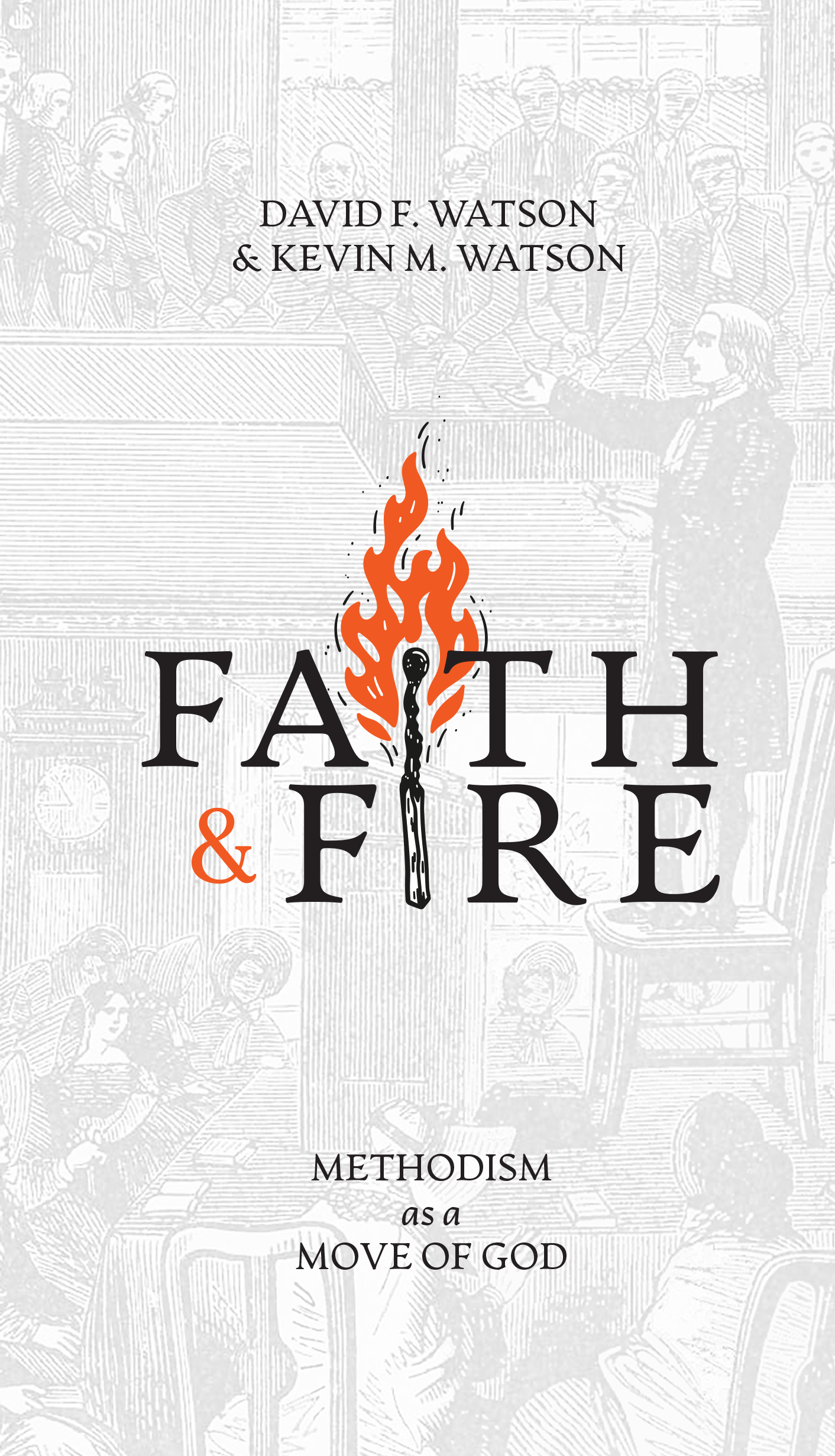
Well, Asbury Theological Seminary’s President beat me to it. Dr. David Watson was the first to get the word out about the book we’ve written together. His Substack post, “A Methofesto: Introducing a New Book by Those Watson Boys” is really funny and gives some interesting backstory to the challenges we faced getting this book into print.
For my part, I am grateful to finally have a book in print with David Watson. People keep thinking that David wrote The Class Meeting. (And I’m pretty sure he’s been taking credit for it. Not that I’ve ever taken credit for his book Scripture and the Life of God.) At least people won’t get us confused on this one.
David has long been a kind of older brother for me in the faith and in the academy. It really is an honor to be able to reflect on the meaning of the Wesleyan/Methodist theological tradition and its contribution to the contemporary church with him.
I don’t remember when these conversations first started, but for well more than a decade, we have had innumerable informal conversations about things wrong with the Methodist movement and how to fix them. It was a healthy and invigorating challenge for me to have the task of putting pen to paper to make a considered argument for the contribution of the tradition started under the leadership of John Wesley in the late 1730s in our day.
The chapter I most enjoyed working on was the one on “Methodism and the Gifts of the Holy Spirit.” This has been one of the areas where the riches of the Wesleyan theological heritage have been an asset. And it has been where I’ve most enjoyed learning and growing as a Christian, a pastor, and a teacher. I share a personal story in that chapter that is a piece of my experience of the work of the Spirit in my life that I haven’t ever shared in print.
David shared a brief excerpt from the introduction in his Substack, which you can read there. I want to share a different part from the same, which points to the book’s big idea:
Why do the people called Methodist exist today? No movement can thrive without a clear sense of identity, and the Methodist movement in the West suffers from an identity crisis. In the interest of being modern, relevant, or attractional, we have lost a clear sense of why we exist in the first place. Put more sharply, Methodists have time and again compromised our particularity by accommodating our beliefs to the spirit of the age. It’s time for a different approach….
We cannot simply re-create early Methodism, but we can recover aspects of its life that gave it such power. We want fire, not ashes.
If you want to see fresh faith and fire in the Methodist and Wesleyan family in our day, please buy a copy of this book. The work we put into this can only make an impact if people read the book. Currently, physical copies are only available through Seedbed (the publisher). You can buy the Kindle version through Amazon.
P.S. Yesterday was a great day at Asbury Church! We had 6,300+ in person for our 3 Easter services. Rodney Adams, Asbury’s Executive Director, and I were reflecting at the end of the morning about how blessed we are as a staff to see what the Lord is doing in our midst right now. Large churches catch a lot of strays these days. There is a lazy sophomoric critique that says “we care about people, not numbers.” But that is exactly why I’m fired up about our numbers. The numbers represent actual people. We had more than 800 more people in worship yesterday than we did last year on Easter (a 14% increase from last Easter). That is 800 individual people, created in the image of God, who heard the best Easter Sunday sermon I’ve ever heard. And they were explicitly invited to count the cost of following Jesus and come back next week ready to make a profession of faith in him.
I hope your Easter was fantastic. God is good!
I cannot wait for Pentecost this year.
P.P.S. It is not too late to apply for the Asbury Fellows Program, which I lead at Asbury Church. The first year has been great and I am really excited to welcome the next group of Fellows to Asbury. Applications are due by April 17, 2026. Details here.
Kevin M. Watson is a Pastor and the Senior Director of Christian Formation at Asbury Church in Tulsa, OK. He is also on the faculty at Asbury Theological Seminary, anchoring the Seminary’s Tulsa, OK Extension Site. His most recent book, Doctrine, Spirit, and Discipline describes the purpose of the Wesleyan tradition and the struggle to maintain its identity in the United States. Affiliate links, which help support my work, used in this post.
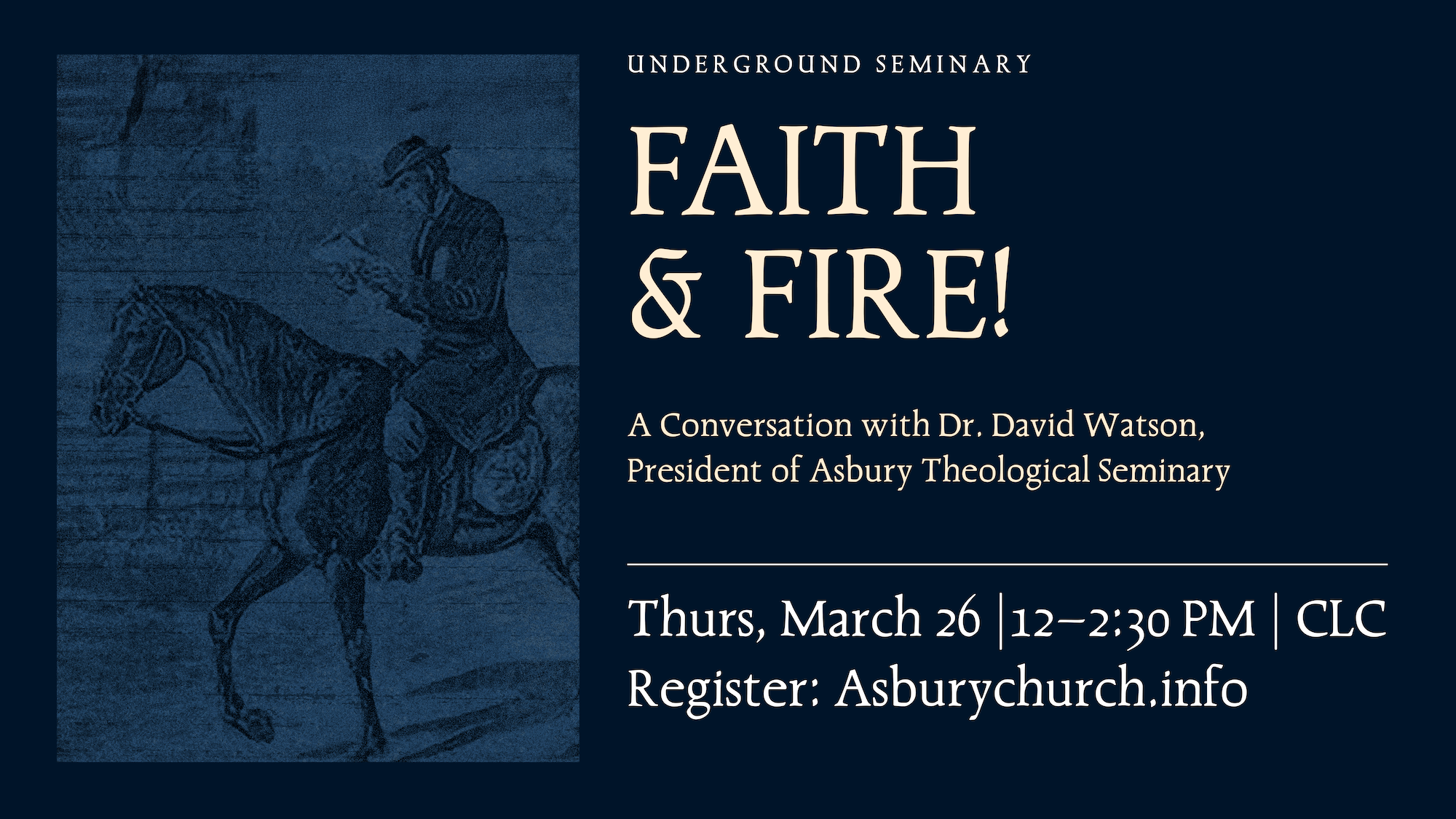
Asbury’s President, Dr. David Watson, is coming to Tulsa to lead an Underground Seminary at Asbury Church. This is going to be a lot of fun. Dr. Watson will talk about what is needed to thrive in ministry. And this is also a kind of book launch for a book we wrote together, Faith & Fire: Methodism as a Move of God. You can still register for this event, here. A copy of the book is included with registration.
He is also preaching in a seminary chapel service this Friday at 11am in Mason Chapel at Asbury Church. Dr. Watson will preach on Romans 8:12-17, “A Case of Mistaken Identity.” I am excited to hear him preach this great passage. No need to register for chapel, just show up! Lunch will follow and is provided by Asbury Church.
Oh, and Dr. Watson will also preach at Asbury Church on Palm Sunday at 9 & 11 am. Join us!
This is all exciting for me because it is connected to the in-person intensive for the Wesleyan Discipleship hybrid class I am teaching. This is my favorite class that I have ever taught. It is an introduction to the history and theology of discipleship in the Wesleyan tradition, with particular focus on the Wesleyan class and band meeting and their practical implementation.
One more thing: We have started receiving applications for the second year of Asbury Church’s Fellowship Program, which I lead. The first year has been great and I am really excited to welcome the next group of Fellows to Asbury. Apply by April 17, 2026. Details here.
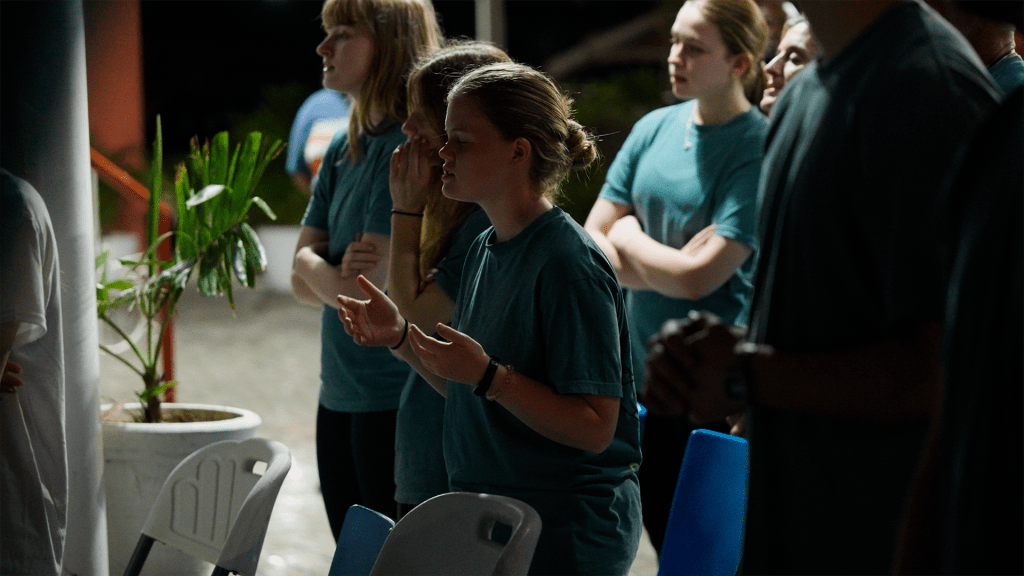
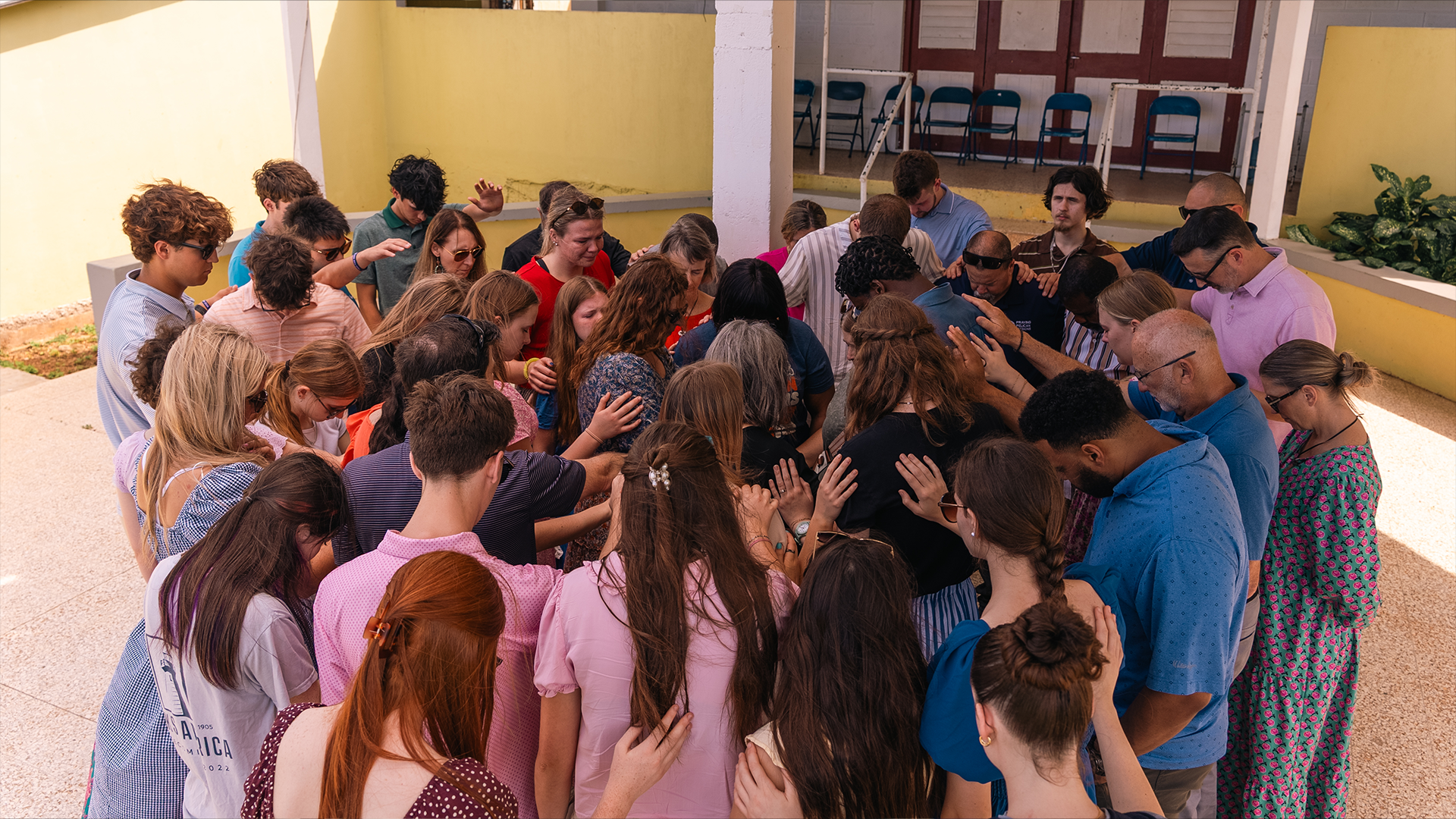
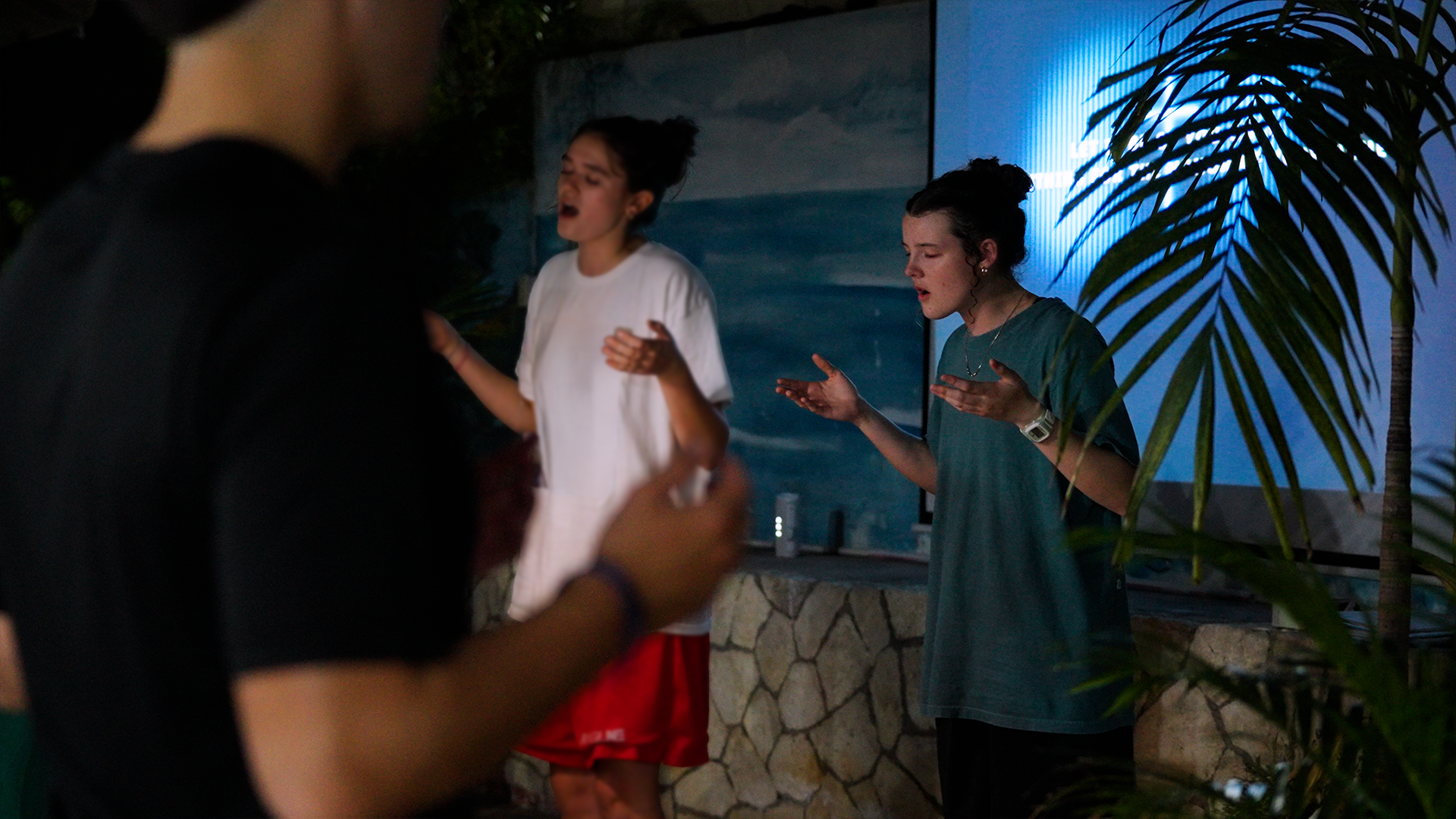
P.S. Last week, I went with a group of high school juniors and seniors from Asbury Church’s student ministry to Jamaica for a Spring Break mission trip. I enjoyed every part of the trip (except for the very beginning when the power was out at the Southwest ticket counter).
I had not been on a mission trip in 20 years, though they have been impactful in my life. I expected my favorite part to be the mission work itself and the time with the folks in Jamaica. Don’t get me wrong, that was all awesome!
But my favorite part, by far, was getting to know the students from our church better. It was a reminder of something I already knew but was blessed to see again. They love worshipping the Lord. I saw passion and hunger for connecting with the Lord. And the Holy Spirit is so quick to come and meet them in their hunger. It was so so fun! Jesus is so kind to us.
Kevin M. Watson is a Pastor and the Senior Director of Christian Formation at Asbury Church in Tulsa, OK. He is also on the faculty at Asbury Theological Seminary, anchoring the Seminary’s Tulsa, OK Extension Site. His most recent book, Doctrine, Spirit, and Discipline describes the purpose of the Wesleyan tradition and the struggle to maintain its identity in the United States. Affiliate links, which help support my work, used in this post.
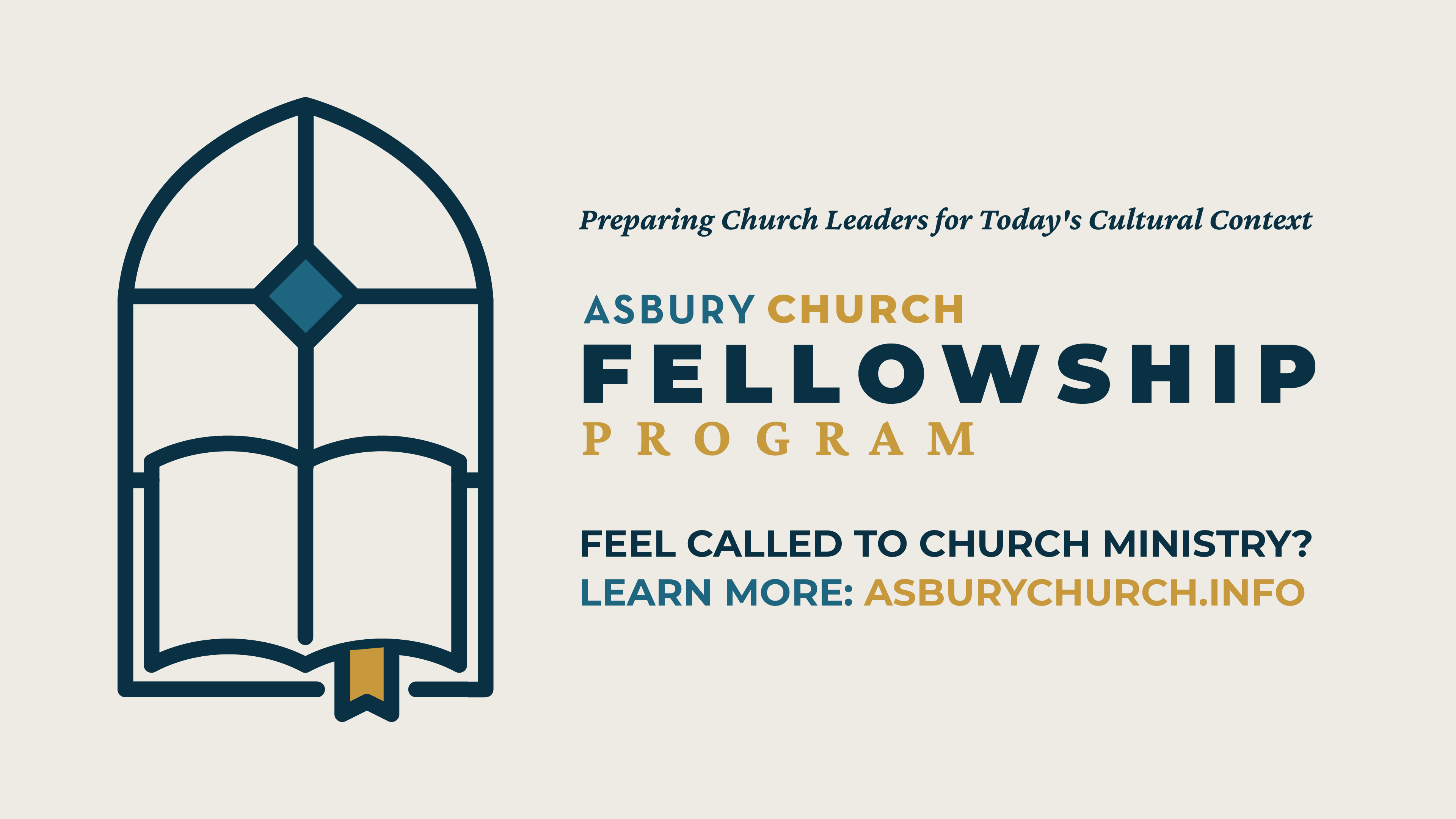
We are committed to raising up the next generation of leaders for the church at Asbury. We believe doing this well requires a significant investment of time and resources. One of the ways we have begun this work was by launching a Fellowship Program at Asbury Church last year.
Asbury Church Fellowships are two-year full-time paid positions, with benefits.
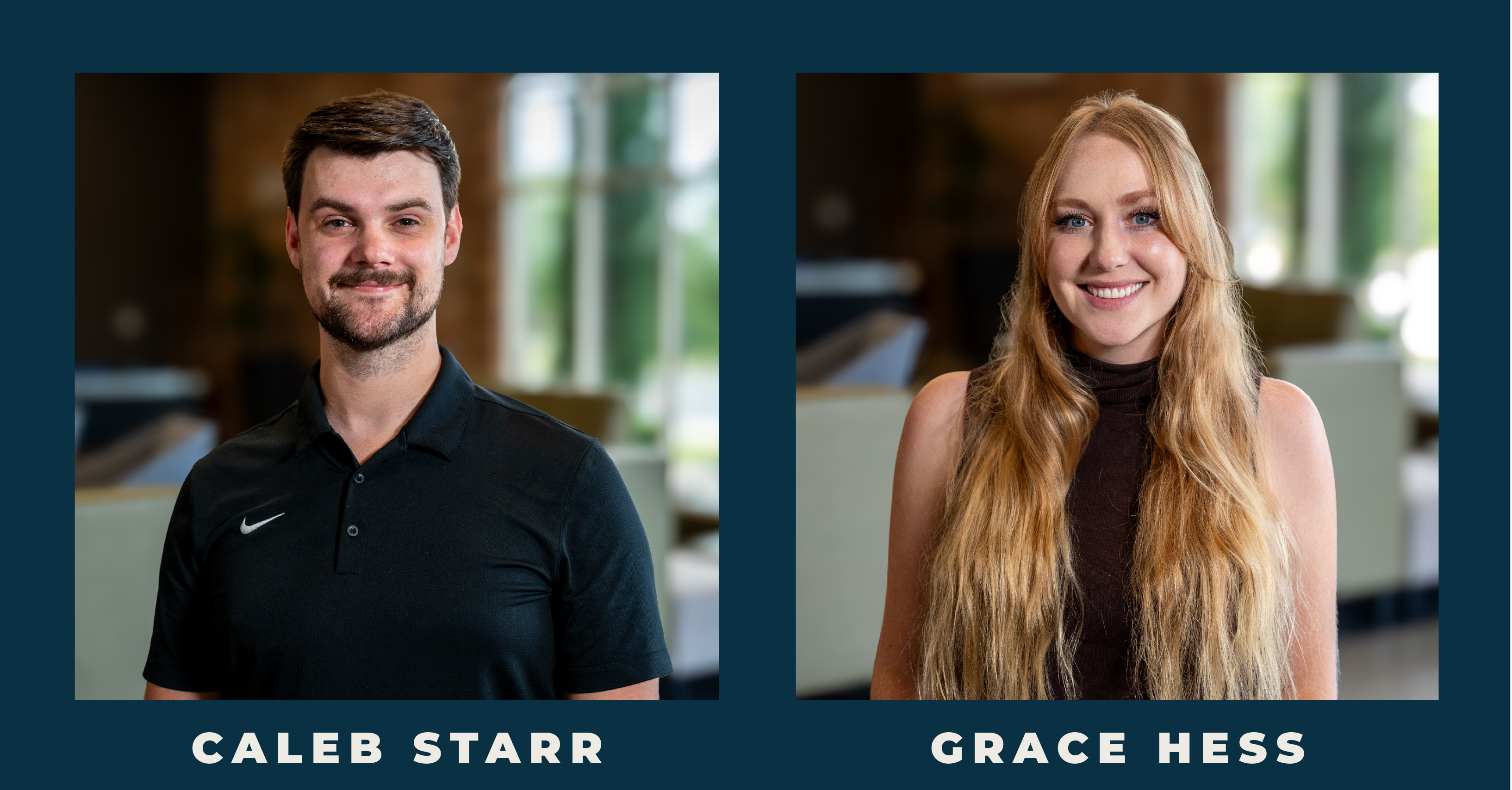
We are six months into the launch of the Fellowship Program and so far it has been a spectacular success! We hired Grace Hess and Caleb Starr as our inaugural Asbury Fellows and they’ve been great! We want to build on that success, so we are starting our search for the next round of Asbury Fellows. Please help us spread the word!
What is the Asbury Church Fellowship Program?
The Asbury Church Fellowship Program is a two-year fellowship in Tulsa, Oklahoma, designed to prepare future church leaders for today’s cultural context.
Fellows gain hands-on experience through rotational roles in:
Pastoral Ministry
Students/College/Young Adults
Business Administration
Outreach/Evangelism
Experience/Hospitality
Worship Arts
Communications
Asbury Classical School
Fellows will grow through mentoring and discipleship. (This is where I get to spend most of my time with the Fellows.) I meet with Fellows weekly for a Wesleyan class meeting experience, one-on-one check-ins, and a monthly book discussion. I love reading and engaging ideas and I want to introduce Fellows to the best books I’ve read on the Christian life, discipleship, the person and work of the Holy Spirit, big ideas about current issues, personal productivity, leadership, and more. The purpose of all of this will be to grow in Christ, ability to lead and disciple others, and be equipped to lead and minister in our changing cultural moment. (Some of the books we have read so far are: Dallas Willard’s The Divine Conspiracy, Aaron Renn’s Life in the Negative World, and Edwin Friedman’s A Failure of Nerve.)
Asbury Fellows will be present at all worship services (including Wednesday morning communion and Thursday evening), staff chapel, and Wednesday evening discipleship activities, with a “see a need, meet a need” attitude.
Fellows will also observe leadership meetings, attend the monthly pastor’s Bible Study, assist with pastoral care and visitations, and other experiences that serve the Fellow’s growth and development as a ministry leader.
The program is ideal for ministry-minded individuals seeking accelerated spiritual and leadership growth within a growing, evangelical congregation with Wesleyan theological roots. Fellows will be in seminary or recent seminary graduates.
Why I Am So Excited about the Asbury Church Fellowship Program
I am best at inviting people to things I enthusiastically believe in and I enthusiastically believe in what Jesus is doing at Asbury Church! Asbury Church has remarkable leadership. And really fun things are happening here.
I believe the Fellowship Program is a crucial strategy in a time of uncertainty and significant change in American Christianity. The Fellowship Program is an intentional investment in in-person formation. The problems facing the church in our day will not be solved by applying more technology. We need to invest more fully in relationships in enfleshed spaces. The people I have seen really grow and thrive in their lives in Christ all have one thing in common: They are anchored within a family of faith that provides care, nurture, and discipline. And so, Asbury Fellows will move to Tulsa to be fully present here for two years.
This is a major investment in in-person formation in order to raise up the next generation of leaders for the church. I expect this program to grow over the coming years. And I am excited to see Fellows go from Asbury Church to lead in other churches and themselves raise up leaders for the church.
We are in a time of major change in the broader culture, the church, and the academy. One of the things this means is that approaches to raising up leaders for the church are changing in real time. Some of the things that were taken for granted for the past 50 years are no longer bearing fruit.
The Asbury Church Fellowship Program is our first step to proactively addressing the need for new leaders to be formed, strengthened, and released to lead in the church. I have become more convinced over the past decade that raising up leaders best happens within the church and not outside of it.
Who is Asbury Church?
Asbury Church is a conservative evangelical church from the Wesleyan theological heritage in Tulsa, Oklahoma. In 2026, Asbury has averaged nearly 2,900 people in-person in worship on average each week. (That is 13% growth compared to just last year!) We are passionate about figuring out how to do discipleship and evangelism with excellence in Negative World.[1]
(The “Negative World” framework is integral to the Fellowship Program, so you will want to familiarize yourself with it if you don’t know about it and are trying to discern whether this is right for you.)
Asbury Church has the kinds of ministry opportunities you would expect of a church of this size: a pre-school, weekly small groups, kids and youth ministry, recovery ministry, and more. We lean into big events like Christmas Eve and Easter, as well as our own made-up holiday – Celebration Sunday! We are a Bible reading church, which is expressed through Bible reading guides and all church Bible Studies (which are roughly once a month during the school year). We also host a seminary extension site (Asbury Theological Seminary, a separate institution) on our property, which reflects our commitment to theological education and raising up the next generation of leaders for the church. Our commitment to education and formation is further seen in our launch of a Classical Christian School (Asbury Classical School) that is in its second year. And we are known in our community for our commitment to missions in and beyond our community.
Who is the Asbury Fellowship Program for?
The Asbury Fellowship Program is ideal for people who have at least one year of full-time seminary experience to recent seminary graduates, who intend to go into local church ministry as their first career. The Fellowship Program is for people who are hungry for more of Jesus, want to grow, desire a deeper understanding and experience of the person and work of the Holy Spirit, and sense a calling to the work of the church.
Asbury Fellows will be people who love being around Jesus’s church, are excited by the prospect of being immersed in the life of a church for a season and are eager to serve and participate in the full worshipping life of Asbury Church. Fellows will not only be hungry for more of God, but they will come humble, ready to grow and learn, and be led for a season.
The Asbury Fellowship Program will be a season of accelerated growth for Fellows in their preparation for leadership and administration of the local church. This Fellowship is for people who know they are called to the local church in some sense but may not be sure which part of the church they are called to. This is for people who know they don’t know everything and want to learn from a large and growing church that believes God has more for everyone and is passionate about pursuing joy individually and corporately.
When will it start?
Applications are due by April 17, 2026, for a program start in August/September 2026.
Click here for full job listing and program details.
P.S. Don’t miss Underground Seminary with Asbury Theological Seminary’s President Dr. David Watson. He will discuss the book he and I wrote together that is hot off the press: Faith & Fire: Methodism as a Move of God. Click here for more details.
[1] We believe Aaron Renn’s diagnosis is accurate. The church in the United States is not in Positive World or Neutral World anymore. The dominant culture and elite taste makers overwhelmingly view the teachings of Scripture and those who unapologetically hold to them negatively. For more, see Aaron Renn, Life in the Negative World (Zondervan, 2024). For the article that led to the book, see Aaron Renn, “The Three Worlds of Evangelicalism” in First Thingshttps://firstthings.com/the-three-worlds-of-evangelicalism/
Kevin M. Watson is a Pastor and the Senior Director of Christian Formation at Asbury Church in Tulsa, OK. He is also on the faculty at Asbury Theological Seminary, anchoring the Seminary’s Tulsa, OK Extension Site. His most recent book, Doctrine, Spirit, and Discipline describes the purpose of the Wesleyan tradition and the struggle to maintain its identity in the United States. Affiliate links, which help support my work, used in this post.