
Tags
Asbury, Asbury Church, Bible, challenges, Christianity, church, culture, faith, God, Jesus, Ministry
If you have hard work to do and much is unclear, what is the most important thing to get right?
First, a word about why the church has hard work to do and much is unclear. Then, my answer to what I think is most important to get right.
For several years I have thought about how much disruption and change has been happening in the culture, church, and academy.
An image I often use is tectonic plates shifting, which cause earthquakes. The rumbling and shaking from earthquakes can alter the surrounding landscape and cause significant damage to buildings and infrastructure.
Tectonic plates have been moving in the culture, church, and academy. Or, perhaps one has caused rumbling and shaking that has altered the landscape of the others.
From my seat as a seminary professor and pastor, I have been trying to articulate the challenges the church is facing. If you can diagnose the problem, then you will have an easier time identifying potential solutions.
I wrote a post a few months ago I titled: “Where Do We Go from Here?” It focused on demographic trends that show how difficult things will be for churches like mine in the coming years.
I worked really hard on that post and am proud of it. If you missed it when I first published it, I hope you’ll check it out here. The argument I’m making here, really builds on this post.
I keep thinking about one thing from that post. After summarizing demographic data from Ryan Burge and summarizing analysis from Aaron Renn and Christian Smith, I made a basic comment on what is facing the church:
This is going to be really difficult.
I think it might be particularly hard for people in my tribe (folks who were reared in Mainline Methodism). I don’t think people have yet understood just how deep and wide the culture shifts from the mid-2010s through the pandemic have been. We are not going back. The landscape has changed.
Conversion to faith in Jesus is much harder than it was a few decades ago, much less 50 years ago.
I think the way denominations have functioned, since the founding of the UMC in 1968, has been within a Positive World framework. We don’t even live in Neutral World anymore. We live in Negative World. The strategies and plays from Positive World don’t work anymore. And the evidence of that is in front of many of our faces every Sunday morning.
(If the Positive, Neutral, and Negative World framework isn’t familiar to you, I highly suggest reading Aaron Renn’s “The Three Worlds of Evangelicalism.”)
One of the reasons the work facing the church is going to be really difficult is because we are trying to understand exactly and how much things have changed while things continue to change. (From legalizing same sex marriage to fluid gender separated from biology, to woke ideology, to the gradual and then rapid rise of AI, and so on.) And while we are trying to understand (but don’t fully understand), we must make decisions and act.
It is ok to not be confident about the right answers to the variety of challenges facing the church.
I don’t think it is ok to recognize that things aren’t working and just stubbornly keep doing the same things anyway.
And I don’t think it is ok to pretend that things are just fine and continue with the work of the church with strategies that worked in the 1980s.
Again, people coming from Mainline Protestant contexts may be particularly at a disadvantage here. I’m not sure if they are worse off than Southern Baptists or Roman Catholics. I don’t know those denominations well enough to have an informed opinion.
A major disadvantage of my background was being formed in a bureaucratic and risk-averse institution that was often unwilling to acknowledge reality at all if it was inconvenient.
Let me illustrate this with one example:
At the Annual Conferences I attended, there would be a part of the conference where we had to vote to close churches that were no longer viable. They usually had less than 10 people in average attendance and were not able to pay to maintain their building. One would think this would be cause for lament or self-reflection. There was no need for shame or condemnation. But it was sad. Yet, these churches were always introduced in a way that you would have thought they were among the most dynamic and effective churches in the entire conference at sharing the gospel and the church’s mission to make disciples. One year, I leaned over and asked a friend, “If that church is doing so well, why is it closing?”
It felt like a very strange adaptation of the children’s story The Emperor’s New Clothes. (Spoiler: The emperor had no clothes on. But everyone pretended that he did, until a child who didn’t know any better articulated what was obvious to everyone loud enough for even the emperor to hear.)
So, church leaders are faced with the challenge of accurately diagnosing, and then understanding, the times in which we live (while they continue to rapidly change). And they must also continue to do the work of the church as best they can in real time.
On top of that, in many of the places I’ve been, there is a strong aversion to leaders leading. At times, the attempt to lead is itself offensive. This is often, though not always, an overreaction to the failures of a previous leader (or the failures of the system that sabotaged the previous leader). These things are complicated!
Back to the question I began with: If you have hard work to do and much is unclear, what is the most important thing to get right?
My answer: The most important thing to get right is answering the question: Who do you want to work with on hard things?
This is the best way I can explain the joy I’ve found in my work at Asbury Church. At one level, my job at the church is the hardest job I’ve ever had. But I am having the most fun I’ve ever had. I am having fun because I am part of a team that is willing to ask hard questions, refuses to settle for polite nonsense, and keeps pressing because we believe that God is not done with us and he has more for us.
We don’t have all the answers. That’s ok. No one does.
The work of the church has always been hard. And it is the best job in the world. I believe a key to thriving in this work for the long haul is finding the people you want to work with on hard things.
I found my people and I’m grateful.
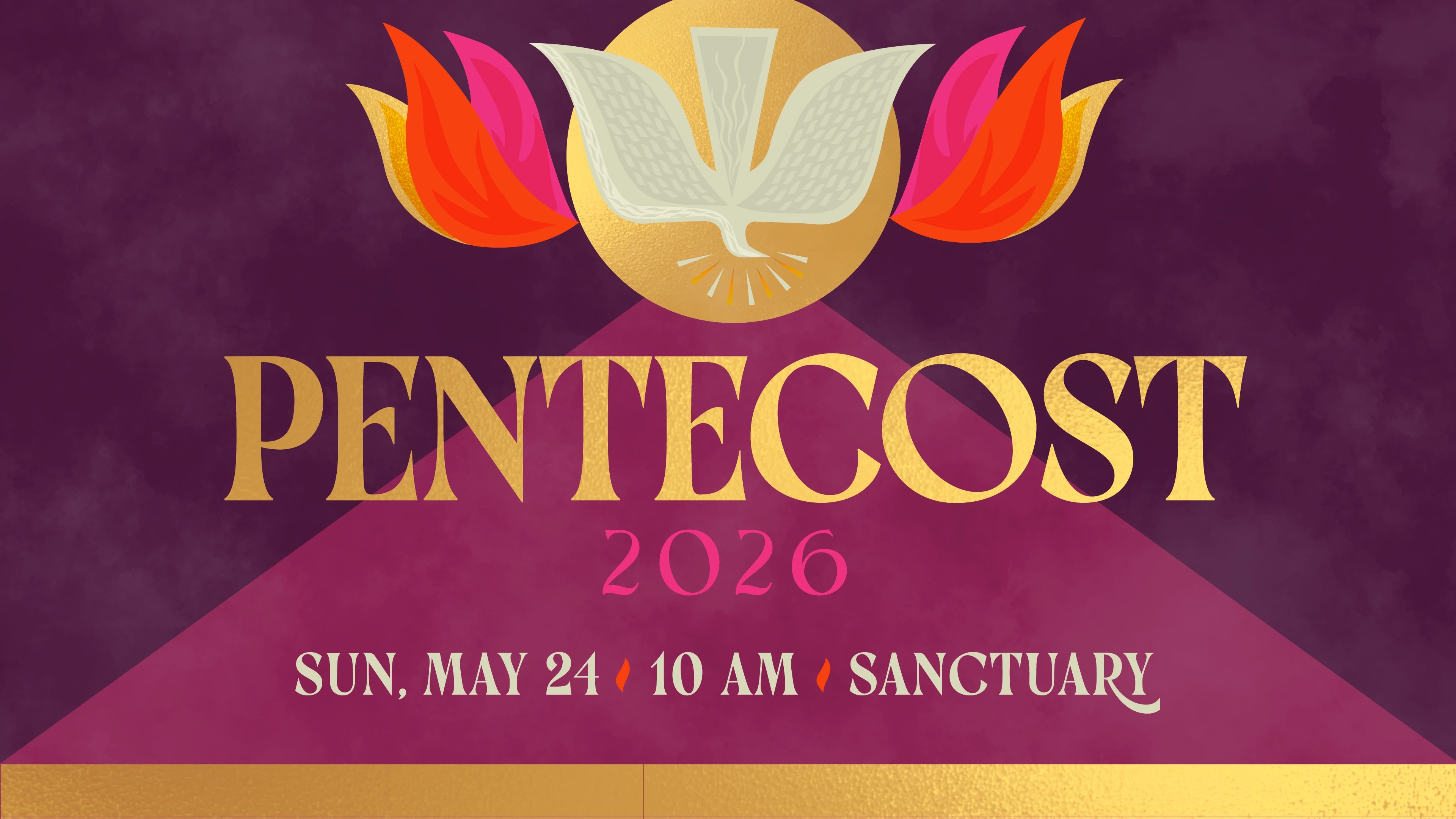
P.S. If you’re interested in seeing the kind of work I’m doing with my people, check out our Pentecost service, which will launch the Asbury Connection. (It will also be available on Asbury Tulsa’s YouTube channel a few days after the service.)
Kevin M. Watson is a Pastor and the Senior Director of Christian Formation at Asbury Church in Tulsa, OK. He is also on the faculty at Asbury Theological Seminary, anchoring the Seminary’s Tulsa, OK Extension Site. His most recent book, Doctrine, Spirit, and Discipline describes the purpose of the Wesleyan tradition and the struggle to maintain its identity in the United States. Affiliate links, which help support my work, used in this post.
 Kevin M. Watson