• About Me

Kevin M. Watson

Kevin M. Watson

Category Archives: Christian Living

Understanding the Wesleyan Tradition in the United States: Interview at Asbury Church

16 Friday Aug 2024

Posted by Kevin M. Watson in Christian Living, Life, Methodist History, Sermons, Wesley

≈ 2 Comments

Tags

John Wesley, Methodism, Wesley

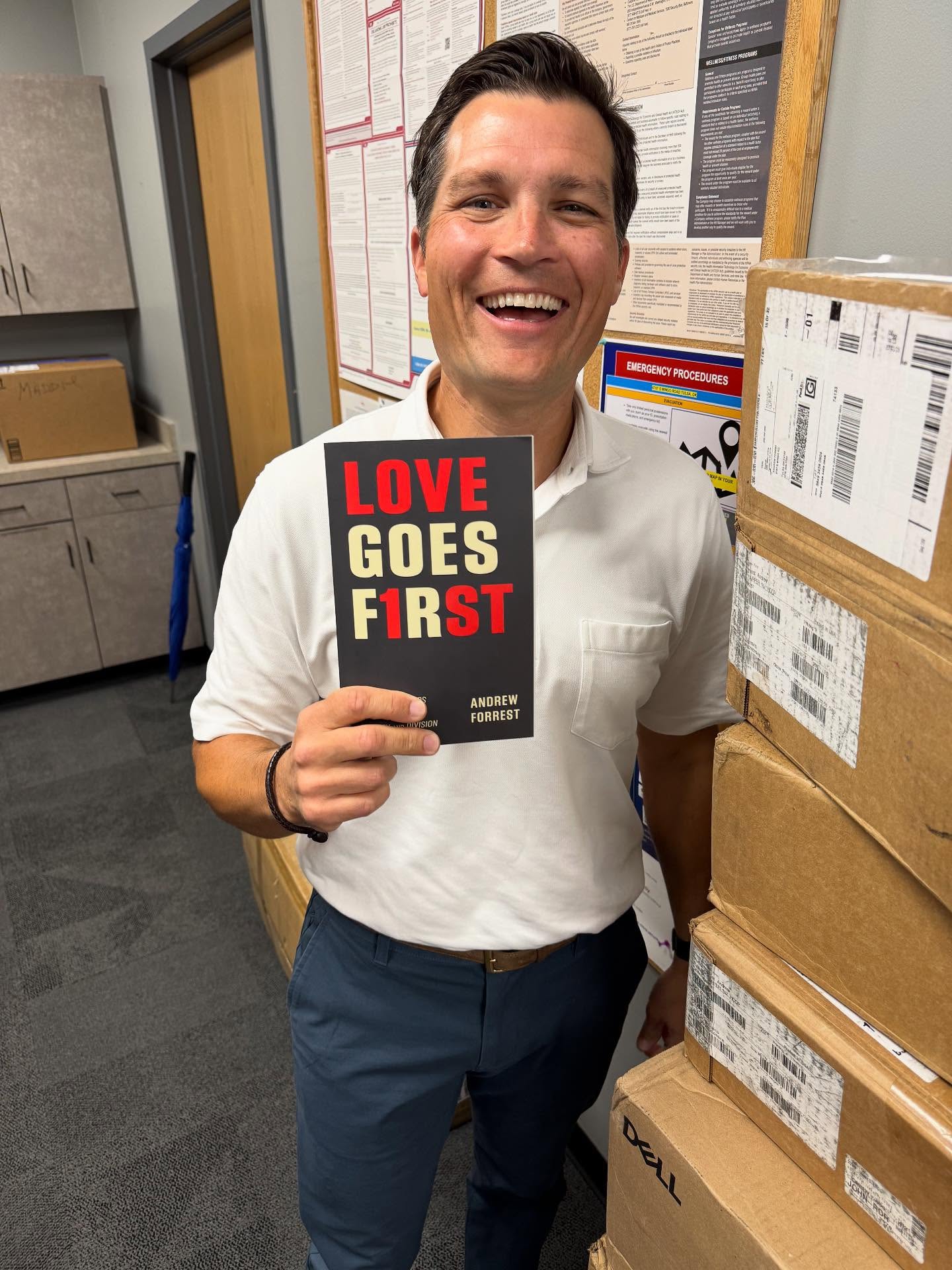
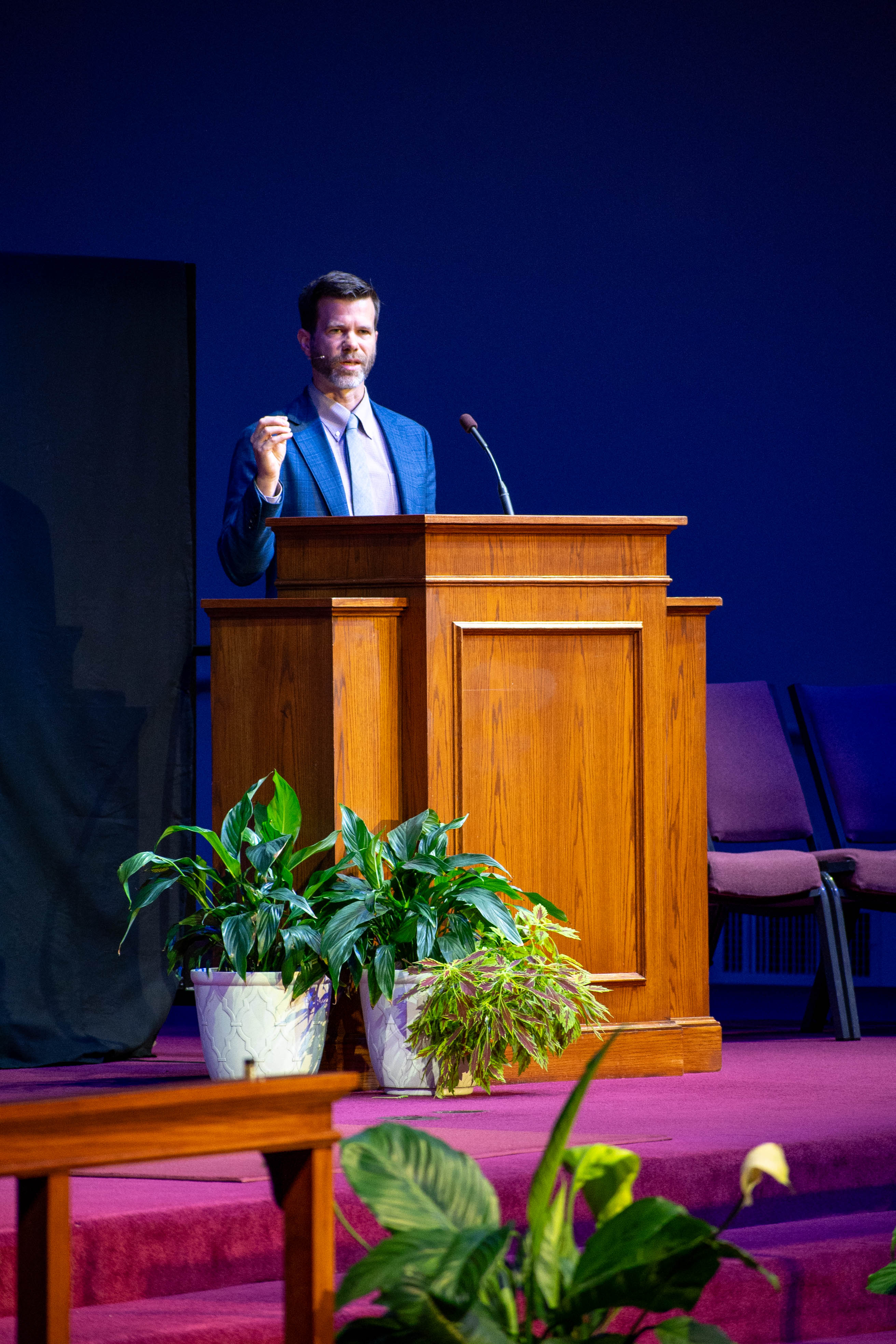
The Rev. Andrew Forrest, the senior pastor at Asbury Church in Tulsa, OK, interviewed me about my new book this past weekend in all of our services. It was so fun!

Andrew is not only a gifted communicator, he also has the ability to help other people refine and clarify their own ideas. It was really fun to see his mind work in terms of distilling what was most important from the book for people at Asbury Church.

Here is a screenshot of the interview. Click the link below to view it.

https://asburytulsa.org/sermon/why-and-how-churches-lose-their-way/

Doctrine, Spirit, and Discipline: A History of the Wesleyan Tradition in the United States has already sold out of the first print run! (It continues to be available as an e-book and an audio book.) I am thrilled by the interest the book has received and look forward to seeing it continue to build.

As I’ve talked with people about the book, I’ve only become more convinced of its importance for such a time as this. As we move into new futures, it is essential that we be able to recognize real Methodism from cheap imitations. In order to do so, we have to know where we have come from and be regrounded in our identity. I believe John Wesley was right to lay out the following as the litmus test for Methodist vitality:

“I am not afraid that the people called Methodists should ever cease to exist either in Europe or America. But I am afraid lest they should only exist as a dead sect, having the form of religion without the power. And this undoubtedly will be the case unless they hold fast both the doctrine, spirit, and discipline with which they first set out.” – John Wesley “Thoughts upon Methodism” (1786)

My book describes the doctrine, spirit, and discipline with which Methodists first set out and traces adherence to them across the history of the Wesleyan family in the United States.

Methodists were at the center of the First Great Awakening and the Second Great Awakening. I am convinced that one way or another, the DNA of real Methodism will be at the center of the Third Great Awakening.

May it begin with us!

Powerful Moments at West Plains Annual Conference: A Reflection

21 Friday Jun 2024

Posted by Kevin M. Watson in Christian Living, Class Meetings, Life, Ministry

≈ Leave a comment

Tags

book announcement, Christian formation, class meeting, Methodism, small groups, speaking

When Rev. Mike Schafer, President pro tem, of the West Plains GMC Annual Conference reached out to me last fall and asked me to preach and teach at the upcoming conference, I was thrilled! And the West Plains Annual Conference exceeded my expectations.

One of my favorite moments of the conference was when Mike described something he had never had happen in his entire ministry: an Annual Conference attendee asked if they could bring a friend! That gives an idea of the atmosphere and spiritual environment in West Plains.

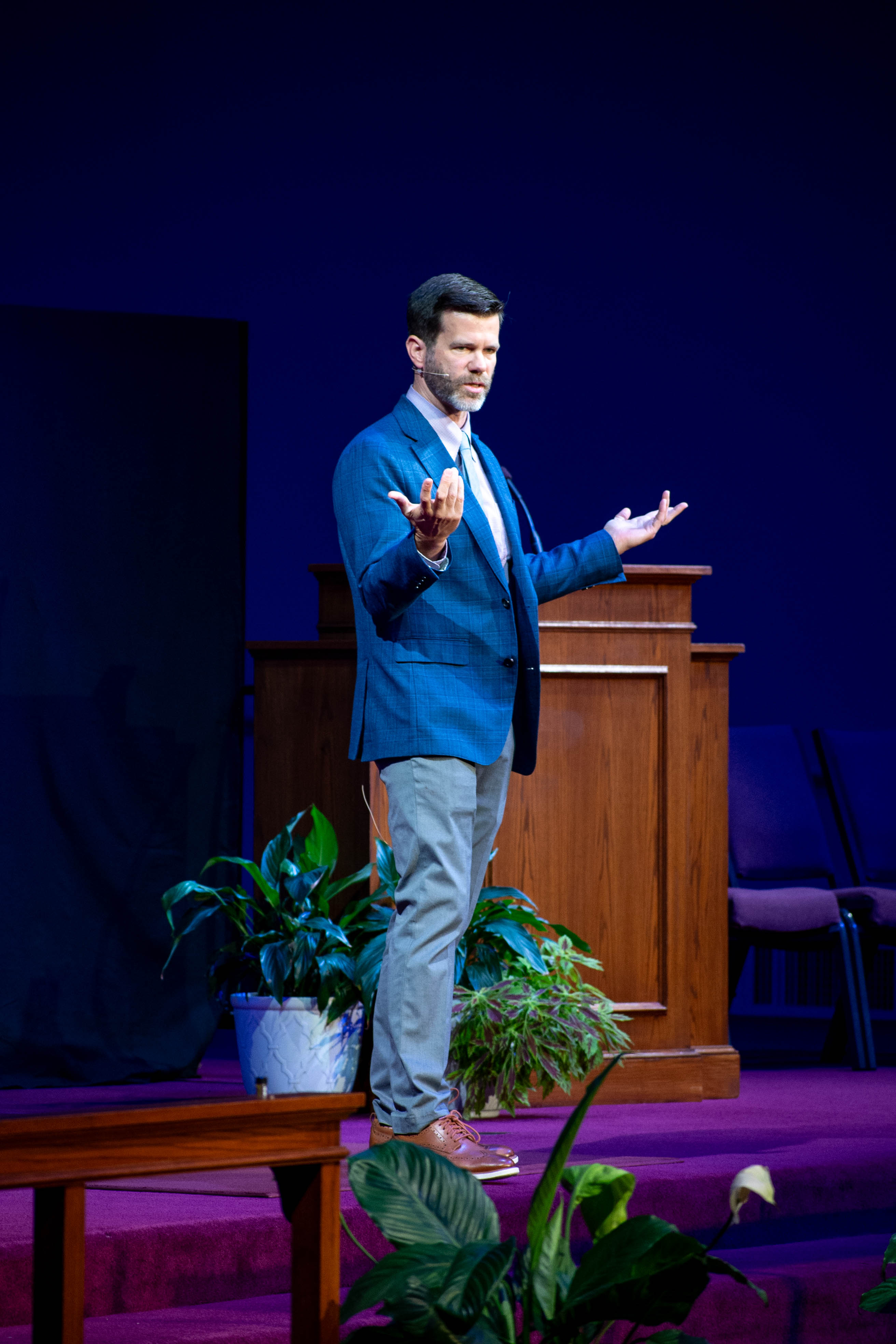
I showed up planning to preach one message, and instead spoke on Matthew 13:44:

The kingdom of heaven is like treasure hidden in a field, which someone found and hid; then in his joy he goes and sees all that he has and buys that field. [NRSV]

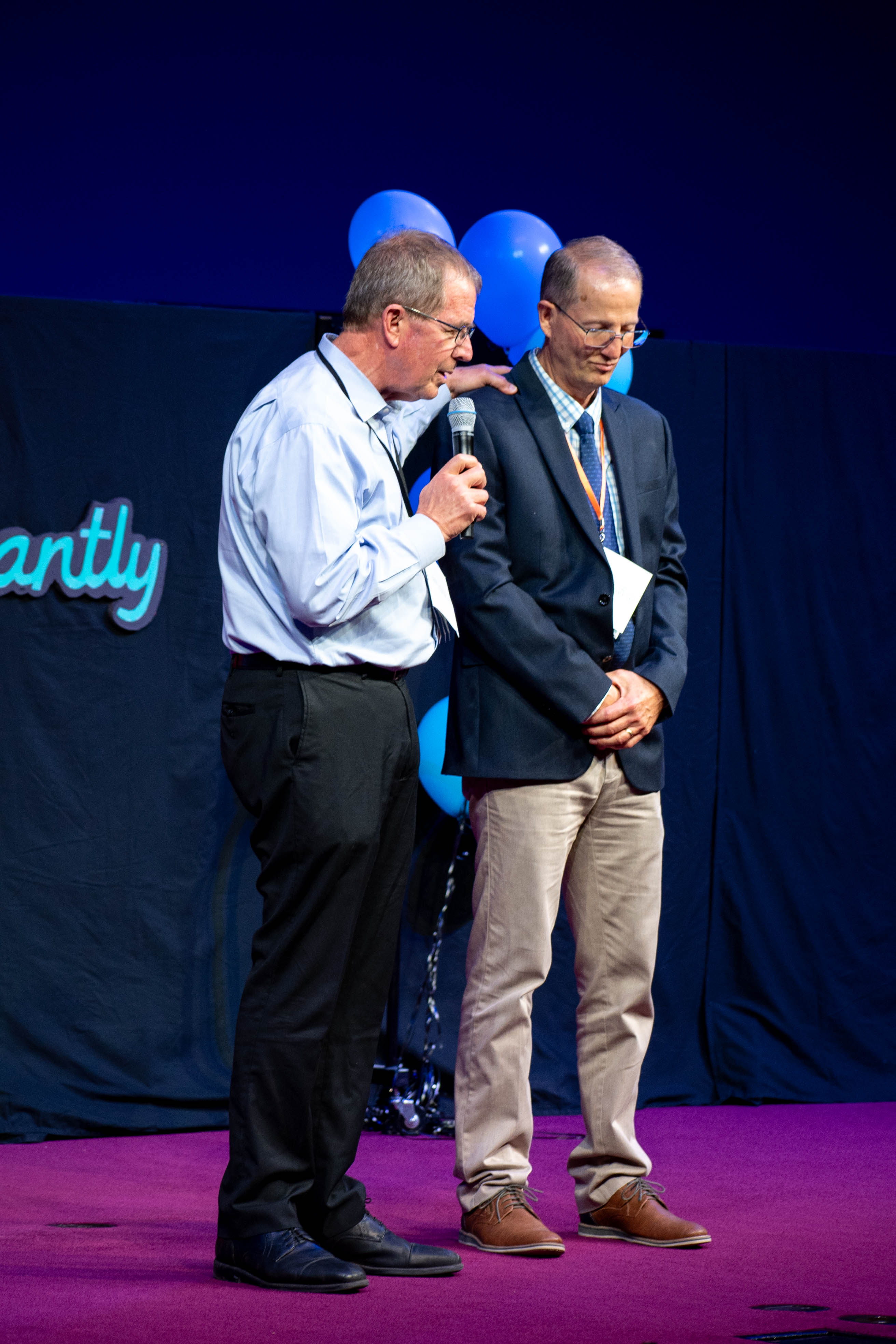
I shifted because the Spirit did something when Mike prayed for me right before my sermon. I don’t remember exactly what he prayed, but it had something to do with the Spirit opening me up to receive what he wanted to say, even if it was different than what I’d planned. I had been wrestling with a sense that what I had prepared was not quite right and Mike’s prayer brought clarity that I was supposed to change courses and trust the Lord.

The truth is that I don’t really remember most of what I said because it was so unscripted. That is not a comfortable place for me. And I didn’t think I did a great job. When Mike gave an altar call after my sermon, I went to the altar and repented and apologized to the Lord because I just felt like I missed it with my message.

I am grateful for the exceptionally gracious feedback I received from many people in West Plains about how the Lord had used the sermon for them.

God is good!

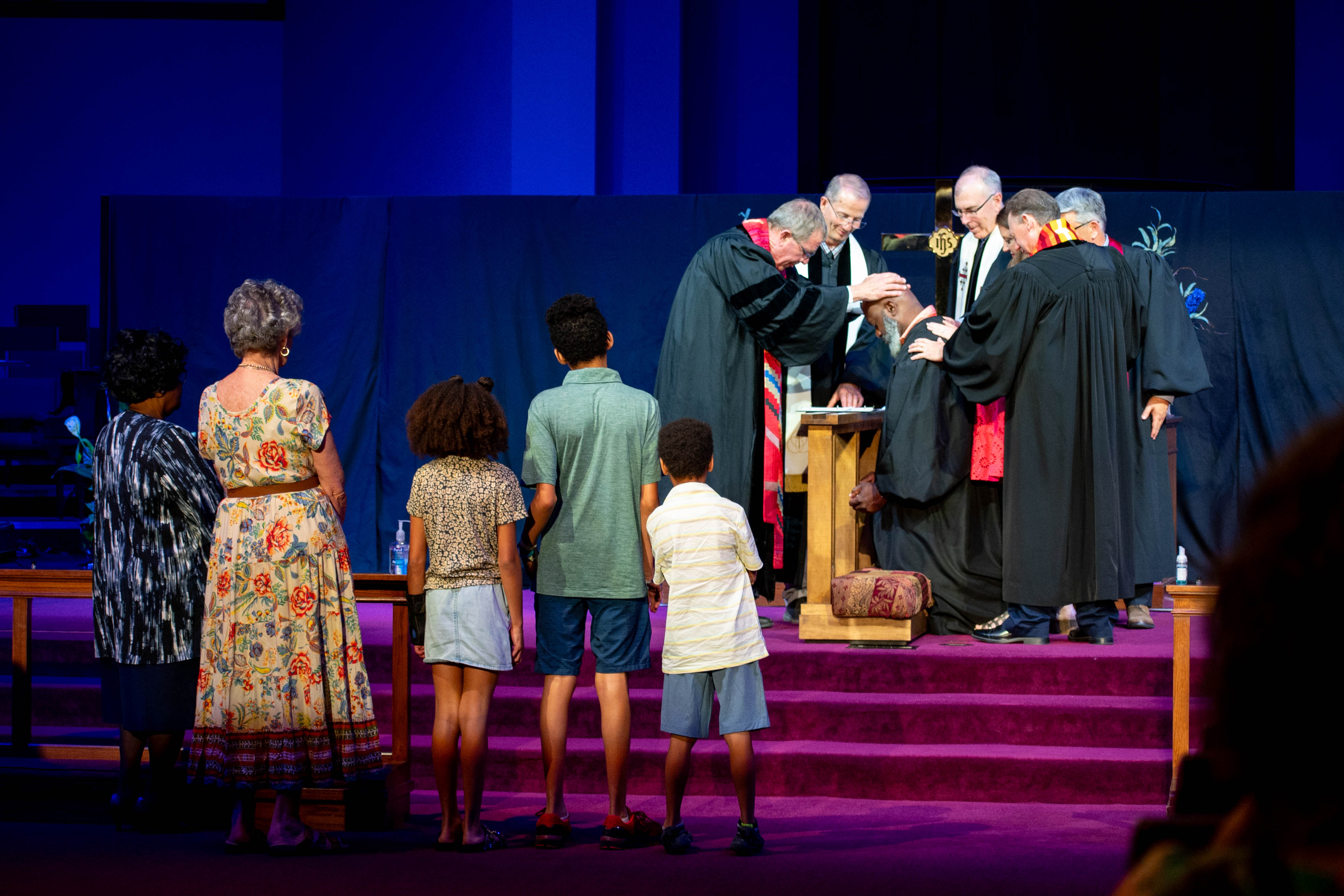
The ordination service was powerful as well. A few things really stood out to me. First, the unity in the room, not only among the ordinands, but also among the clergy and laity in attendance was palpable and a joy. When Bishop Jones went through the Historic Questions, it was the first time in my ministry I wasn’t wondering if people meant “No” even though they were saying “Yes.”


Bishop Jones led in a way that kept the focus on the main thing and the seriousness of what was happening. That was a gift to experience. 

Two other things happened in the ordination service that were beautiful. First, immediately after ordination, Bishop Jones celebrated Communion and the newly ordained served the rest of the congregation. It was so well done! Second, after Communion, Bishop Jones gave an invitation to receive a call to ministry during the final song. I saw at least three people from the congregation respond to that invitation! I don’t think I’ve ever witnessed that before. It was so hopeful and encouraging to just have a strong focus on the significance of ordination and even more so on the Triune God who speaks and calls us to serve.

Rev. Schafer asked me to speak on Wesleyan discipleship, focusing on class and band meetings on Saturday morning. If you know me, it is pretty easy to convince me to do that! I have been thinking quite a bit about the old(er) Barna survey that is outlined in the book Maximum Faith (you can find a summary of the ten stops of the Christian life here). I summarized those findings and the way they point to the need for relational connection and deeper discipleship across the church in the United States. This, in my view, only increases the importance of returning to our Wesleyan heritage of intentional discipleship through small groups.

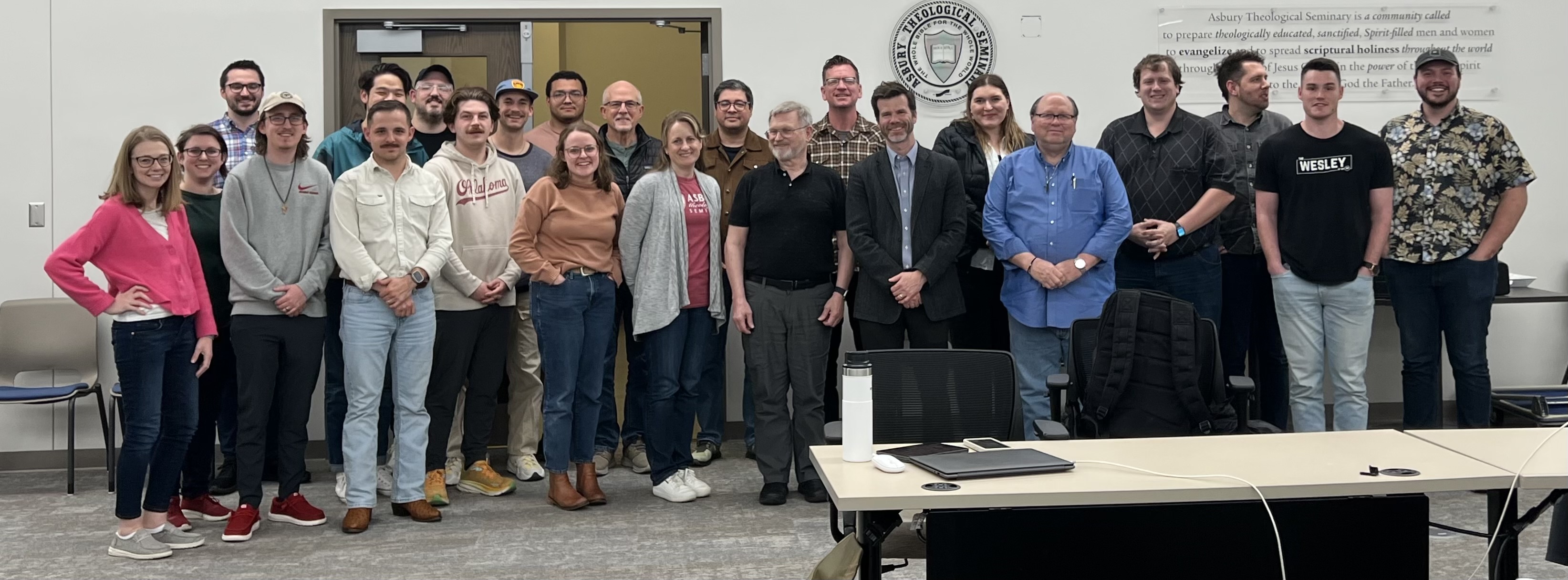
I had a blast teaching that material!

Finally, I got to experience two of the three TED-style talks given by folks in West Plains. Wow! The first talk was about a fire ministry after the massive fires in Texas last year. Even more than that, it was a powerful testimony about God’s work in one woman’s life. The second talk was by a rancher and a lawyer who felt called to co-pastor the GMC church in their town. The commitment to the local church and the authority of Scripture was powerful! I wish I’d been able to stay for the final one and the rest of the afternoon!

Preaching and teaching at a place like the West Plains Conference is an enormous privilege. It still surprises me to be asked to speak in places like this. I love doing it and it is a blessing to me. Every time, I think, I can’t believe I get to do this! God has been so kind to me and I am thankful.

One final thing about my time at this conference. Mike Schafer will become the first Connectional Operations Officer for the Global Methodist Church, starting August 15, 2024. Leadership in West Plains recognized Mike for his service as the first President of the West Plains Conference and gave thanks for this new role. One of the people who praised Schafer’s leadership in West Plains commented that he was exactly the right person to serve in this new key leadership role in the GMC because he had not spent his entire career trying to receive this kind of position. I loved the way that was put! And it rings true of my experience with Mike. His selection for this role is encouraging to me and a hopeful sign of things to come for the Global Methodist Church. (You can read more about Rev. Schafer and his new role here.)

Thank you, West Plains, for having me! And special thanks to Emma Stonum for sharing the photos I’ve used in this post.

Reminder: My new book releases next Tuesday, June 25th

My new book Doctrine, Spirit, and Discipline: A History of the Wesleyan Tradition in the United States releases on Tuesday, June 25th. I wrote a post about the book here. Please check it out. This is the first book I’ve directly asked folks to pre-order. Doing so helps the long-term success of the book in a variety of ways. It would really help me out if you would take a moment to head to Amazon (affiliate link) or Zondervan and order the book now. I am really encouraged by the early interest in this book! Thank you so much to all of you who have already pre-ordered it.

In this time of rapid change and chaos, it is imperative that we reground ourselves in our identity. This book explains the core identity of the Wesleyan theological tradition and points to lessons from the past that will help us be more faithful in the present and future.

Thank you!

Secrets and the Wisdom of the Wesleyan Tradition

08 Wednesday May 2024

Posted by Kevin M. Watson in Book Review, Christian Living, Wesley

≈ Leave a comment

Tags

Band meeting, John Wesley, Methodism, secrets, Wesley

I don’t know about you, but I find it so encouraging when I read something outside of the church that highlights the value of what Christians do.

Here is an example I just came across:

One of the cornerstones of the Wesleyan movement throughout John Wesley’s lifetime was a small group called the band meeting. There were a list of prerequisites for joining a band meeting. But the basic activity of the band was pretty simple – confession of sin for the sake of growth in holiness.

At the weekly meeting, participants each answered five questions:

1. What known sins have you committed since our last meeting?

2. What temptations have you met with?

3. How were you delivered?

4. What have you thought, said, or done, of which you doubt whether it be sin or not?

5. Is there anything you desire to keep secret?

(You can read the entire “Rules of the Band Societies” here.) 

I first joined a band meeting when I was a seminary student. And joining that band meeting was, by far, the most important part of my seminary experience.

Not long after I graduated from seminary, I began to feel a more specific calling to pastor people who were preparing to become pastors. If I was going to pursue that calling, it would mean that I would need to complete a PhD. When I realized that no one had studied the band meeting in depth, I decided to write my PhD dissertation on the band meeting in John Wesley’s thought and in the popular experience of the first Methodists. I revised my dissertation and published it with Oxford University Press as Pursuing Social Holiness: The Band Meeting in Wesley’s Thought and Popular Methodist Experience.

During my work on the band meeting, I noticed that the fifth question was removed at one point by an editor of the original “Rules of the Band Societies” (the document where the five questions was published) sometime around the early nineteenth century.

As best I can remember, the fifth question was not used in the first band meeting I joined.

Is there anything you desire to keep secret?

It isn’t hard to come up with reasons why that question might be disappeared. It is intense! If you have a secret, kind of by definition you don’t want to share it. But the question is a game changer because it brings everything into the light of Christ and his healing grace in the appropriate place.

So back to the beginning of this post.

I just finished reading The Secret Life of Secrets by Michael Slepian. 

The book is an in-depth and interesting study of secrets and the role they play in our lives. 

The big takeaway at the end of the book could not have been much better aligned with the early Methodist band meeting and its simple question: Is there anything you desire to keep secret?

At the end of the book, Slepian shows that while everyone has had or has a secret, it is helpful to be able to share secrets with people you know and can trust.

All the way back in the 18th century, Methodists were creating band meetings in order to not only share secrets, but to seek the wholeness and healing described in James 5:16

Therefore confess your sins to one another, and pray for one antoher, so that you may be healed. The prayer of the righteous is powerful and effective.

Secular scientific study is confirming the instincts Christians have always had. How cool is that?

Want to know more about the band meeting?

For the academic and historic work, see Pursuing Social Holiness.

For an introduction to what a band meeting is and a guide to starting band meetings in our own day, check out the book I wrote with Dr. Scott T. Kisker, The Band Meeting.

Life in the Negative World: A Review

14 Wednesday Feb 2024

Posted by Kevin M. Watson in Book Review, Christian Living, Ministry

≈ 3 Comments

Tags

Aaron Renn, Negative World

In February 2022, Aaron Renn published a piece in First Things Magazine titled “The Three Worlds of Evangelicalism.” The article laid out a metanarrative for thinking about the changes evangelicalism in the United States has experienced over the past fifty years or so. (Renn actually first developed this argument in 2014, but the First Things piece brought a significant increase in attention to his argument.)

This article received a lot of attention, both positive and negative. I have found Renn’s way of framing the moment we are in to be very helpful. I was thrilled to see that he was publishing a book on this topic, Life in the Negative World, which was released just a few weeks ago.

Here is the heart of the argument:

Since that bygone midcentury era, the status of Christianity in America has passed through multiple thresholds as it declined, dividing that post-1963 period into three major eras, or worlds, characterized by three ways society at large has viewed and related to Christianity. These are the positive world, the neutral world, and the negative world (dates are approximate).

  • Positive World (1964-1994). Society at large retains a mostly positive view of Christianity. To be known as a good, churchgoing man or woman remains part of being an upstanding citizen of society. Publicly being a Christian enhances social status. Christian moral norms are still the basic moral norms of society, and violating them can lead to negative consequences.
  • Neutral World (1994-2014). Society takes a neutral stance toward Christianity. Christianity no longer has privileged status, but nor is it disfavored. Being publicly known as a Christian has neither a positive nor a negative impact on social status. Christianity is one valid option among many within a pluralistic, multicultural public square. Christian moral norms retain some residual effect.
  • Negative World (2014-present). In this era, society has an overall negative view of Christianity. Being known as a Christian is a social negative, particularly in the higher status domains of society. Christian morality is expressly repudiated and now seen as a threat to the public good and new public moral order. Holding to Christian moral views, particularly affirming the teachings of the Bible, or violating the new secular moral order can lead to negative consequences. (6-7)

Renn unpacks this argument at length in Life in the Negative World: Confronting Challenges in An Anti-Christian Culture. But the book is actually more about how Christians ought to live in negative world than it is a book-length argument trying to convince you that we are in negative world.

The phrase that has kept coming to mind as I have thought about Renn’s thesis and as the church seeks to respond faithfully to our present cultural moment is this: 

Everything depends on knowing what time it is.

If we are in negative world and we respond with neutral world strategies, we will fail. Every. Single. Time.

And my sense is that most of the people in my tribe are living as if the last page of the calendar in 2014 had never turned. 

One of the biggest indicators that you are attempting to live in the past is any attempt to woo the world on its own terms.

And I see this all over the place. If we could just explain ourselves in the right way, people would realize that we are reasonable, good, and likeable people. Let me put my understanding of Renn’s argument sharply: 

If you are an evangelical Christian, they will never like you. 

My sense has been that for quite a while, the church in America has tried to do evangelism by winsomeness. But if you are a traditional Christian, they are never going to like you. Instead of seeking to avoid giving any offense and trying to explain why our convictions are reasonable on the anti-Christian culture’s own terms, we need to evangelize. We need to seek conversion to Jesus and submission to him as Lord of all creation. Winsomeness is a losing strategy in negative world. (Please note that this is not the same thing as recommending the opposite of winsomeness as the right strategy. I am also not advocating for anger or bitterness or anything else contrary to the fruit of the Spirit.) 

If you think all of this is dead wrong, I would encourage you to read Renn’s book. If you read it and are entirely unconvinced, then there will at least be clarity that we are working on very different problems. May God bless you in your work. I hope you will ask the Lord to bless my work as I work according to the truth as I best see it.

I am convinced those of us in the American church do live in negative world. This is true of our context. And it is independent of denominational affiliation across that context.

I suspect that most of the engagement with Renn’s book will consist of two responses:

  • Evaluation of the framework itself. Does he get the details of positive, neutral, and negative world right? And most importantly, are we in negative world?
  • Engagement with the prescriptions for life in negative world. What does Renn get right? Where is he off?

I think these are important and I will read these kinds of engagement with interest.

However, I want to respond to Renn’s book in a different way. 

As I read Life in the Negative World, I often just felt sad. I felt sad because I know so few people who are doing this kind of work. I felt sad because even after having left the United Methodist Church, I still often feel like making progress on the issues facing the church is an uphill battle. 

Having left the UMC, some seem to think the first order of business is showing the world we are not the crazy, bigoted fundies our enemies have said we are. But this posture is still reacting on the terms set by those who fundamentally disagree with us and will never like us.

Rather, I think the first order of business for those leaving the UMC is to get our own house in order as soon as it is properly our house and not the United Methodist Church’s house. 

For many of us, a ruthless inventory is needed before we seek to enter the Promised Land of whether we are still carrying Egypt around with us.

Life in Negative World is, in my view, an important book simply because it is paying attention to the big picture and it is willing to risk speaking the truth as clearly and accurately as possible, even when it is uncomfortable, seems like bad news, or might offend.

On the one hand, we need to do our own work to develop moral courage, boldness, clarity, and a willingness to suffer for the core claims of the gospel, if necessary. And on the other hand, I believe that those who find themselves in leadership positions must use their power and influence to make it easier and not more difficult for people to “live not by lies.”

It is past time for those in the United States who claim to be followers of Jesus Christ to lay down their reputations and fear of man in obedience to the Lord.

If we live in negative world, and I believe we do, there are major adjustments that need to be made, and yesterday, in almost every single way we approach the Christian faith. Evangelistic strategies that worked in the 1990s and 2000s will not work in negative world. (And at least in my world, we never really had evangelistic strategies in these decades anyway.) The same is true for discipleship.

I have been reading Daniel 3 over and over again for years now. Daniel 3 is a beautiful story of cultural differentiation. Shadrach, Meshach, and Abednego are so grounded in their faith that they can respond under immense pressure to the claims of the world and the demands of empire on their lives. They are differentiated from their cultural moment. They don’t pick fights to be nasty or pursue conflict. But they are willing to stand and put their entire trust in the Lord, even under very real threat of death.

This passage gets me every time:

If we are thrown into the blazing furnace, the God whom we serve is able to save us. He will rescue us from your power, Your Majesty. But even if he doesn’t, we want to make it clear to you, Your Majesty, that we will never serve your gods or worship the gold statue you have set up. (Daniel 3:17-18 NLT)

I long to see a church in the United States with his kind of clarity, conviction, and courage.

I am thankful for Aaron Renn’s willingness to step forward and offer new ideas and prod evangelicals in the United States to think more carefully about the times we live in that we might be faithful. This is not easy to do. I suspect it has come at a cost for him personally, though I do not know this.

If we are wrong, we can change our minds. But if we are too afraid to think or take any risks to ask questions or challenge the dominant culture and its brokenness, we are blind guides.

One more thing:

I was excited to see that the senior pastor of my church, Asbury Church in Tulsa, OK wrote an endorsement for Life in the Negative World. Here is why Rev. Andrew Forrest thinks you should read the book:

The most important distinction in the American church today is not the one between liberal and conservative, or high church and low church, or mainline and evangelical; no, the most important distinction in the American church today is between those who recognize that we live in the negative world and those who haven’t yet accepted that fact. I am in the former camp, and Aaron Renn has given me the vocabulary I need to help others see the world as it is. Every now and then a writer and thinker comes along who helps us see the world more clearly, and Aaron Renn has been that guide for me. In Life in the Negative World he does two important things: (1) He helps us see the world as it actually is and not as we wish it to be. (2) He gives us a way forward. I’d recommend this book to every pastor I know, and I’d like everyone in my church to read it.

(Links to the book in this post are Affiliate links, which means if you use them, it helps to support this blog.)

Pray the Psalms with Me!

12 Wednesday Jul 2023

Posted by Kevin M. Watson in Christian Living

≈ 7 Comments

Tags

Psalms

As I mentioned in my last post, my appointment to Director of Academic Growth & Formation at Asbury Theological Seminary in Tulsa, OK has also provide the blessing of joining the staff at Asbury Church as Scholar-in-Residence. Reverend Andrew Forrest, the senior pastor at Asbury Church, wrote about my work at the church in a post published a few weeks ago. Read it here.

The first thing I get to do in my role as Scholar-in-Residence for Asbury Church is help Andrew by writing some of the commentaries for Asbury Church’s daily Bible reading. I’d love for you to join me in reading one psalm a day. We are on Psalm 94 today (July 12th). You can read today’s commentary here.

It has been a lot of fun to spend time reading commentaries and praying through these psalms. It has also deepened my appreciation for how much work it has taken for Andrew to write daily commentaries for Asbury Church’s reading plans since his arrival.

As Andrew often says, Asbury is a Bible reading church. I’m so grateful to be joining this faith community.

I’ve decided against republishing these commentaries on my own blog but wanted to share part of what I’m up to with you. It is easy to signup at Andrew’s blog here. Be sure to check the second box “Daily Bible posts” towards the bottom.

I hope you will pray the Psalms with me!

John Wesley’s Sermon “The Law Established through Faith, II”: A Brief Summary

23 Tuesday Mar 2021

Posted by Kevin M. Watson in Christian Living, Sermons, Wesley

≈ 4 Comments

Tags

faith, holiness, John Wesley, John Wesley Sermons, Law

John Wesley, Justification by Faith

This is the 31st sermon in this series. It is very encouraging to see how many people are reading these posts and clicking through to read the sermon itself. Just joining the growing number of people reading these sermons? Feel free to start at the beginning by reading the first sermon by John Wesley in this series, “Salvation by Faith,” or jump right in with us!


Background:

Did you know that many of John Wesley’s sermons are part of the formal doctrinal teaching of multiple Wesleyan/Methodist denominations? Wesley’s sermons have particular authority because these were the main way he taught Methodist doctrine and belief.

“The Law Established through Faith, II” is the 31st sermon of the Wesleyan Standard Sermons. This sermon builds on the previous sermon, “The Law Established through Faith, I” and outlines a more positive vision for how the law is established in the lives of followers of Jesus Christ.

In hopes of sparking interest in Wesley’s sermons and Methodism’s doctrinal heritage, here is my very short summary of “The Law Established through Faith, II.” I hope it will inspire you to read the sermon in its entirety yourself. Links to the sermon and other resources are included at the end of this post.


Key quote: 

Can you say, ‘Thou art merciful to my unrighteousness; my sins thou rememberest no more’? Then for the time to come see that you fly from sin, as from the face of a serpent. For how exceeding sinful does it appear to you now! How heinous above all expression! On the other hand, in how amiable a light do you now see the holy and perfect will of God! Now, therefore, labour that it may be fulfilled, both in you, by you, and upon you. Now watch and pray that you may sin no more, that you may see and shun the least transgression of his law. You see the motes which you could not see before when the sun shines into a dark place. In like manner you see the sins which you could not see before, now the sun of righteousness shines in your heart. Now, then, do all diligence to walk in every respect according to the light you have received. Now be zealous to receive more light daily, more of the knowledge and love of God, more of the Spirit of Christ, more of his life, and of the power of his resurrection. Now use all the knowledge and love and life and power you have already attained. So shall you continually go on from faith to faith. So shall you daily increase in holy love, till faith is swallowed up in sight, and the law of love established to all eternity. [III.6]


One sentence summary:  

The moral law of God is established in our lives through sound doctrine, faith in Christ, love of God and neighbor, and holiness of heart and life.


Scripture passage for the sermon:

“Do we then make void the law through faith? God forbid! Yea, we establish the law.”

– Romans 3: 31


Concise outline of “The Law Established through Faith, II”

1. A summary of the previous sermon. This sermon asks, positively, “How do we establish the law through faith?”
2. Establishing the moral law is not the condition of our justification. And yet, “we still, in the Aposle’s sense, ‘establish the law.'”

I. We Establish the Law by Our Doctrine
1. We establish the law by offering “the whole counsel of God” with “great plainness of speech.”
2. The law is established by our doctrine when “we declare every part of it, every commandment contained therein, not only in its full, literal sense, but likewise in its spiritual meaning; not only with regard to the outward actions which it either forbids or enjoins, but also with respect to the inward principle, to the thoughts, desires, and intents of the heart.”
3. The law must be established through doctrine because “as important as these things are, they are little considered or understood.
4. “The law of God, as to its inward spiritual meaning, is not hid from the Jews or heathens only, but even from what is called the Christian world.”
5. Even though it is offensive to many who hear it, “All that is written in the Book of God we are to declare, not as pleasing men, but the Lord. We are to declare not only all the promises but all the threatenings, too, which we find therein. At the same time that we proclaim all the blessings and privileges which God had prepared for his children, we are likewise to ‘teach all the things whatsoever he hath commanded.'”
6. “It is our part thus to ‘preach Christ’ by preaching all things whatsoever he hath revealed… We are not ourselves clear before God unless we proclaim him in all his offices.”

II. We Establish the Law by Preaching Faith in Christ in a Way that Leads to Holiness of Heart and Life
1. Even faith in Christ is not the end result God aims at. “God hath given this honor to love alone. Love is the end of all the commandments of God.”
2. Faith “is the great temporary means which God has ordained to promote that eternal end [love].”
3. Faith cannot be preached so as to “swallow up all things” and become more important than love.
4. “Nor is it certain… that faith, even in the general sense of the word, had any place in paradise.”
5. Faith was necessary before the fall. “It was only when love was lost by sin that faith was added, not for its own sake, nor with any design that it should exist any longer than until it had answered the end for which it was ordained – namely, to restore man to the love from which he was fallen.”
6. “Faith then was originally designed of God to re-establish the law of love.”

III. The Most Important Way of Establishing the Law Is by Establishing It in Our Own Hearts and Lives
1. It would serve no purpose to preach the law through our doctrine and preach Christ in all of his offices if it “were not established in our hearts.”
2. “How may we establish the law in our own hearts so that it may have its full influence on our lives?… This can only be done by faith… Faith in general is the most direct and effectual means of promoting all righteousness and true holiness; of establishing the holy and spiritual law in the hearts of them that believe.”
3. “There is no motive which so powerfully inclines us to love God as the sense of the love of God in Christ.”
4. “Nor does faith fulfill either the negative or positive law as to the external part only; but it works inwardly by love to the purifying of the heart, the cleansing it from all vile affections.”
5. “Let us thus endeavor to establish the law in ourselves; not sinning ‘because we are under grace’, but rather using all the power we receive thereby ‘to fulfill all righteousness.'”
6. Can you say, ‘Thou art merciful to my unrighteousness; my sins thou remeberest no more’? Then for the time to come see that you fly from sin, as from the face of a serpent…. Now use all the knowledge and love and life and power you have already attained. So shall you continually go on from faith to faith. So shall you daily increase in holy love, till faith is swallowed up in sight, and the law of love established to all eternity.”


Resources:

Read “The Law Established through Faith, II” in its entirety.

Check out my brief summaries of the first thirty Standard Sermons:

“Salvation by Faith”

“The Almost Christian”

“Awake, Thou That Sleepest”

“Scriptural Christianity“

“Justification by Faith“

“The Righteousness of Faith“

“The Way to the Kingdom“

“The First-Fruits of the Spirit“

“The Spirit of Bondage and of Adoption“

“The Witness of the Spirit, I“

“The Witness of Our Own Spirit“

“The Means of Grace“

“The Circumcision of the Heart“

“The Marks of the New Birth“

“The Great Privilege of those that are Born of God“

“Upon our Lord’s Sermon on the Mount, Discourse the First“

“Upon our Lord’s Sermon on the Mount, Discourse the Second“

“Upon our Lord’s Sermon on the Mount, Discourse the Third“

“Upon our Lord’s Sermon on the Mount, Discourse the Fourth“

“Upon our Lord’s Sermon on the Mount, Discourse the Fifth“

“Upon our Lord’s Sermon on the Mount, Discourse the Sixth“

“Upon our Lord’s Sermon on the Mount, Discourse the Seventh“

“Upon our Lord’s Sermon on the Mount, Discourse the Eighth“

“Upon our Lord’s Sermon on the Mount, Discourse the Ninth“

“Upon our Lord’s Sermon on the Mount, Discourse the Tenth“

“Upon our Lord’s Sermon on the Mount, Discourse the Eleventh“

“Upon our Lord’s Sermon on the Mount, Discourse the Twelfth“

“Upon our Lord’s Sermon on the Mount, Discourse the Thirteenth“

“The Original, Nature, Properties, and Use of the Law“

“The Law Established through Faith, I“

I highly recommend the critical edition of Wesley’s sermons, which has excellent references that show his reliance on Scripture throughout his preaching. There are four volumes if you want every known Wesley sermon. The sermon outlined in this post is in volume II. These books aren’t cheap, but this is the most important publication by Abingdon since its release. And they are designed to last. Highly recommended!

There is also a three volume edition of Wesley’s sermons in modern English, which is easier to read if you find the 18th century English frustrating. Here is the first volume.


Kevin M. Watson is a professor at Candler School of Theology, Emory University. He teaches, writes, and preaches to empower community, discipleship, and stewardship of our heritage. Click here to get future posts emailed to you. Affiliate links used in this post.

John Wesley’s “Upon Our Lord’s Sermon on the Mount, Discourse the Thirteenth”: A Brief Summary

01 Tuesday Dec 2020

Posted by Kevin M. Watson in Christian Living, Sermons, Wesley

≈ 8 Comments

Tags

John Wesley, John Wesley Sermons, Sermon on the Mount

John Wesley, Justification by Faith

This is the 28th sermon in this series. I have been publishing one sermon each Tuesday. Just joining the growing number of people reading these sermons? Feel free to start at the beginning by reading the first sermon by John Wesley in this series, “Salvation by Faith,” or jump right in with us!


Background:

Did you know that many of John Wesley’s sermons are part of the formal doctrinal teaching of multiple Wesleyan/Methodist denominations? Wesley’s sermons have particular authority because these were the main way he taught Methodist doctrine and belief.

“Upon Our Lord’s Sermon on the Mount, Discourse the Thirteenth” is the 28th sermon of the Wesleyan Standard Sermons. It is also the 13th of 13 sermons on the Sermon on the Mount. The fact that 13 of the 44 original Standard Sermons focused on the Sermon on the Mount gives an idea of the importance John Wesley placed on Matthew 5-7. Wesley spends so much time on these three chapters of the Bible because he believed they provide essential teaching from Jesus on “the true way to life everlasting, the royal way which leads to the kingdom.”

In hopes of sparking interest in Wesley’s sermons and Methodism’s doctrinal heritage, here is my very short summary of “Upon Our Lord’s Sermon on the Mount, Discourse the Thirteenth.” I hope it will inspire you to read the sermon in its entirety yourself. Links to the sermon and other resources are included at the end of this post.


Key quote: 

I am, secondly, to show the wisdom of him that doth them, that ‘buildeth his house upon a rock.’ He indeed is wise who ‘doeth the will of my Father which is in heaven.’ He is truly wise whose ‘righteousness exceeds the righteousness of the scribes and Pharisees.’ He is poor in spirit; knowing himself even as also he is known. He sees and feels all his sin, and all his guilt, till it is washed away by the atoning blood. He is conscious of his lost estate, of the wrath of God abiding on him, and of his utter inability to help himself till he is filled with peace and joy in the Holy Ghost. He is meek and gentle, patient toward all men, never ‘returning evil for evil, or railing for railing, but contrariwise blessing’; till he overcomes evil with good. His soul is athirst for nothing on earth, but only for God, the living God. He has bowels of love for all mankind, and is ready to lay down his life for his enemies. He loves the Lord his God with all his heart, and with all his mind and soul and strength. He alone shall enter into the kingdom of heaven who in this spirit doth good unto all men; and who, being for this cause despised and rejected of men, being hated, reproached, and persecuted, ‘rejoices and is exceeding glad,’ knowing in whom he hath believed; and being assured these light, momentary afflictions will ‘work out for him an eternal weight of glory.’ [II.1]


One sentence summary:  

This sermon outlines the difference between building a house on sand or on rock in following Jesus.


Scripture passage for the sermon:

“Not everyone that saith unto me, Lord, Lord, shall enter into the kingdom of heaven; but he that doeth the will of my Father which is in heaven.

Many will say to me in that day, Lord, Lord, have we not prophesied in thy name? And in thy name have cast out devils? And in thy name done many wonderful works?

And then will I profess unto them, I never knew you: depart from me, ye that work iniquity.

Therefore whosoever heareth these sayings of mine, and doeth them, I will liken him unto a wise man, which built his house upon a rock;

And the rain descended, and the floods came, and the winds blew, and beat upon that house; and it fell not; for it was founded upon a rock.

And everyone that heareth these sayings of mine, and doeth them not, shall be likened unto a foolish man, which built his house upon the sand;

And the rain descended, and the floods came, and the winds blew, and beat upon that house; and it fell: and great was the fall of it.”

– Matthew 7:21-27


Concise outline of “Upon our Lord’s Sermon on the Mount, Discourse the Thirteenth”

1. Jesus closes the Sermon on the Mount with these words, “setting his seal to his prophecy, and impressing his whole authority on what he had delivered, that it might stand firm to all generations.”
2. There is no other way than the way outlined by Jesus.
3. This sermon will, first, “consider the case of him who builds his house upon the sand; secondly, to show the wisdom of him who builds upon a rock; and thirdly, to conclude with a practical application.”

I.The case of the one who builds a house upon the sand.
1. Wesley emphasizes the serious consequences of building upon sand, regardless of good intentions or good works.
2. Doing no harm also does not guarantee that you will enter the kingdom of heaven.
3. Doing good works does not guarantee that you will enter the kingdom of heaven.
4. “If any man marvels at this, let him acknowledge he is a stranger to the whole religion of Jesus Christ; and in particular to the perfect portraiture thereof which he has set before us in this discourse.”
5. None will enter the kingdom of God unless they have this kingdom within them. Jesus reemphasizes this in this passage.
6. Those who “rest in anything short of that religion” which Jesus describes in the Sermon on the Mount built their house on sand.

II. The wisdom of the one who builds a house upon rock.
1. “He alone shall enter into the kingdom of heaven who in this spirit doth good unto all men; and who, being for this cause despised and rejected of men, being hated, reproached, and persecuted, ‘rejoices and is exceeding glad,’ knowing in whom he hath believed; and being assured these light, momentary afflictions will ‘work out for him an eternal weight of glory.'”
2. The wise person knows her true state before God and she knows the way to the kingdom of heaven: “even now to know, to love, to imitate God, and to believe in Jesus Christ whom he hath sent.”
3. It is wise to build upon the rock, which is Jesus Christ himself.
4. This does not mean the Christian is done with trials or temptation. “It still remains for God to prove the grace he hath given: he shall be tried as gold in the fire.”

III. Practical Application
1. Do not mistake things that help one grow in holiness (such as right doctrine or an excellent church) with holiness itself.
2. Avoiding harm is necessary but not sufficient. “When all this harmlessness flows from a right principles it is the least part of the religion of Christ. But in you it does not flow from a right principle, and therefore is no part at all of religion.”
3. Attending all the ordinances of God is important, but still not sufficient. “Faith, mercy, and love of God; holiness of heart; heaven opened in the soul” are essential.
4. Do not rely on your good works. “Learn to hang naked upon the cross of Christ, counting all thou hast done but dung and dross.”
5. Real faith produces inward and outward holiness. “That faith which hath not works, which doth not produce both inward and outward holiness, which does not stamp the whole image of God on the heart, and purify us as he is pure; that faith which does not produce the whole of the religion described in the foregoing chapters, is not the faith of the gospel, not the Christian faith, not the faith which leads to glory.”
6. “Now, therefore, build thou upon a rock. By the grace of God, know thyself.”
7. “Now weep for your sins, and mourn after God till he turns your heaviness into joy.”
8. “Learn in every state wherein you are, therewith to be content… Be angry at sin, as an affront offered to the majesty of heaven; but love the sinner still.”
9. Hunger and thirst for eternal things, not things that perish.
10. “Now, seeing thou canst do all things through Christ strengthening thee, be merciful as thy Father in heaven is merciful. Love thy neighbour as thyself. Love friends and enemies as thy own soul. And let thy love be long-suffering, and patient towards all men.”
11. “Now be thou ‘pure in heart’; purified through faith from every unholy affection, ‘cleansing thyself from all filthiness of flesh and spirit, and perfecting holiness in the fear of God.'”
12. “In a word: let thy religion be the religion of the heart… And as sure as thou now walkest with God on earth, thou shalt also reign with him in glory.”


Resources:

Read “Upon Our Lord’s Sermon on the Mount, Discourse the Thirteenth” in its entirety.

Check out my brief summaries of the first twenty-seven Standard Sermons:

“Salvation by Faith”

“The Almost Christian”

“Awake, Thou That Sleepest”

“Scriptural Christianity“

“Justification by Faith“

“The Righteousness of Faith“

“The Way to the Kingdom“

“The First-Fruits of the Spirit“

“The Spirit of Bondage and of Adoption“

“The Witness of the Spirit, I“

“The Witness of Our Own Spirit“

“The Means of Grace“

“The Circumcision of the Heart“

“The Marks of the New Birth“

“The Great Privilege of those that are Born of God“

“Upon our Lord’s Sermon on the Mount, Discourse the First“

“Upon our Lord’s Sermon on the Mount, Discourse the Second“

“Upon our Lord’s Sermon on the Mount, Discourse the Third“

“Upon our Lord’s Sermon on the Mount, Discourse the Fourth“

“Upon our Lord’s Sermon on the Mount, Discourse the Fifth“

“Upon our Lord’s Sermon on the Mount, Discourse the Sixth“

“Upon our Lord’s Sermon on the Mount, Discourse the Seventh“

“Upon our Lord’s Sermon on the Mount, Discourse the Eighth“

“Upon our Lord’s Sermon on the Mount, Discourse the Ninth“

“Upon our Lord’s Sermon on the Mount, Discourse the Tenth“

“Upon our Lord’s Sermon on the Mount, Discourse the Eleventh“

“Upon our Lord’s Sermon on the Mount, Discourse the Twelfth“

I highly recommend the critical edition of Wesley’s sermons, which has excellent references that show his reliance on Scripture throughout his preaching. There are four volumes if you want every known Wesley sermon. They aren’t cheap, but this is the most important publication by Abingdon since its release. Highly recommended!

There is also a three volume edition of Wesley’s sermons in modern English, which is easier to read if you find the 18th century English frustrating. Here is the first volume.


Kevin M. Watson is a professor at Candler School of Theology, Emory University. He teaches, writes, and preaches to empower community, discipleship, and stewardship of our heritage. Click here to get future posts emailed to you. Affiliate links used in this post.

John Wesley’s Sermon “Upon Our Lord’s Sermon on the Mount, Discourse the Tenth”: A Brief Summary

03 Tuesday Nov 2020

Posted by Kevin M. Watson in Christian Living, Methodist History, Sermons, United Methodism, Wesley

≈ 11 Comments

Tags

John Wesley, John Wesley Sermons, Sermon on the Mount

John Wesley, Justification by Faith

This is the 25th sermon in this series. You can expect to see a new post in this series by 10am EST on Tuesday mornings (sorry I’m a bit late today). Just joining the growing number of people reading these sermons? Feel free to start at the beginning by reading the first sermon by John Wesley in this series, “Salvation by Faith,” or jump right in with us!


Background:

Did you know that many of John Wesley’s sermons are part of the formal doctrinal teaching of multiple Wesleyan/Methodist denominations? Wesley’s sermons have particular authority because these were the main way he taught Methodist doctrine and belief.

“Upon Our Lord’s Sermon on the Mount, Discourse the Tenth” is the 25th sermon of the Wesleyan Standard Sermons. It is also the 10th of 13 sermons on the Sermon on the Mount. The fact that 13 of the 44 original Standard Sermons focused on the Sermon on the Mount gives an idea of the importance John Wesley placed on Matthew 5-7. Wesley spends so much time on these three chapters of the Bible because he believed they provide essential teaching from Jesus on “the true way to life everlasting, the royal way which leads to the kingdom.”

In hopes of sparking interest in Wesley’s sermons and Methodism’s doctrinal heritage, here is my very short summary of “Upon Our Lord’s Sermon on the Mount, Discourse the Tenth.” I hope it will inspire you to read the sermon in its entirety yourself. Links to the sermon and other resources are included at the end of this post.


Key quote: 

‘This is the law and the prophets.’ Whatsoever is written in that law which God of old revealed to mankind, and whatsoever precepts God has given by ‘his holy prophets which have been since the world began’, they are all summed up in these few words, they are all contained in this short direction. And this, rightly understood, comprises the whole of that religion which our Lord came to establish upon earth. [23]


One sentence summary:  

Jesus warns against several of the main hindrances of Christianity (such as judging others and casting pearls before swine) and concludes with the Golden Rule.


Scripture passage for the sermon:

“Judge not, that ye be not judged.

For with what judgment ye judge, ye shall be judged; and with what measure ye mete, it shall be measured to you again.

And why beholdest thou the mote that is in thy brother’s eye, but considerest not the beam that is in thine own eye?

Or how wilt thou say to thy brother, Let me pull out the mote out of thine eye; and, behold, a beam is in thine own eye?

Thou hypocrite, first cast out the beam out of thine own eye; and then thou shalt see clearly to cast out the mote out of thy brother’s eye.

Give not that which is holy unto dogs, neither cast your pearls before swine; lest they trample them under their feet, and turn again and rend you.

Ask, and it shall be given you; seek, and ye shall find; knock, and it shall be opened unto you.

For everyone that asketh, receiveth; and he that seeketh, findeth; and to him that knocketh, it shall be opened.

Or what man is there of you, who, if his son ask bread, will give him a stone? Or if he ask a fish, will give him a serpent?

If ye, then, being evil, know how to give good gifts unto your children, how much more shall your Father which is in heaven give good things to them that ask him!

Therefore all things whatsoever ye would that men should do to you, do ye even so to them; for this is the law and the prophets.

– Matthew 7:1-12


Concise outline of “Upon our Lord’s Sermon on the Mount, Discourse the Tenth”

1. In Matthew 7:1-12 Jesus identifies the main hindrances to Christianity and ends with application.
2. In Matthew 5, Jesus described inward religion, “the dispositions of the soul which constitute real Christianity.” In Matthew 6, Jesus shows “how all our actions… may be made holy… by a pure and holy intention.”
3. In the beginnings of Matthew 7, Jesus identifies “the most common and most fatal hindrances of this holiness.”
4. The first hindrance is judging.
5. This caution is needed at every stage of the Christian life.
6. This caution is for non-Christians as well as Christians.
7. Jesus especially cautions non-Christians against judging hypocrisy in Christians.
8. Judging is not only speaking evil of someone, it is also thinking evil of another.
9. “The thinking of another in a manner that is contrary to love is that judging which is here condemned.”
10. “We may not only fall into the sin of judging by condemning the innocent, but also… by condemning the guilty in a higher degree than he deserves.”
11. Judging shows a lack of love “which never draws an unjust or unkind conclusion from any premises.”
12. Another snare to be avoided is condemning a person where there is insufficient evidence.
13. Christians should hesitate to immediately believe a person’s self-accusation.
14. The problem of judging others would be largely solved if we consistently applied Matthew 18:15-17.
15. Once you have addressed the problem of judging others, still be careful you are not too quick to help that you “cast your pearls before swine.”
16. “Give not that which is holy unto the dogs.”
17. Be “very unwilling” to make this determination, but once it is clear someone is proud of their shame and separation from the will of God, do not cast your pearls before them.
18. And yet even if all your attempts to persuade someone fail, there is still prayer.
19. “It is in compassion to the hardness of our hearts, so unready to believe the goodness of God, that our Lord is pleased to enlarge upon this head, and to repeat and confirm what he hath spoken.”
20. God is ready and willing to give good gifts to all who ask.
21. “But that your prayer may have its full weight with God, see that ye be in charity with all men.”
22. The golden rule is recognized well beyond Christianity.
23. This summarizes “the whole of that religion which our Lord came to establish upon earth.”
24. This can be understood positively (do to others what you would want them to do to you) or negatively (do not do to others what you would not want them to do to you).
25. “It is clear to every man’s own conscience, we would not that others should judge us, should causelessly or lightly think evil of us.”
26. “Let us love and honor all men. Let justice, mercy, and truth govern all our minds and actions.”
27. “This is pure and genuine morality.”


Resources:

Read “Upon Our Lord’s Sermon on the Mount, Discourse the Tenth” in its entirety.

Check out my brief summaries of the first twenty-four Standard Sermons:

“Salvation by Faith”

“The Almost Christian”

“Awake, Thou That Sleepest”

“Scriptural Christianity“

“Justification by Faith“

“The Righteousness of Faith“

“The Way to the Kingdom“

“The First-Fruits of the Spirit“

“The Spirit of Bondage and of Adoption“

“The Witness of the Spirit, I“

“The Witness of Our Own Spirit“

“The Means of Grace“

“The Circumcision of the Heart“

“The Marks of the New Birth“

“The Great Privilege of those that are Born of God“

“Upon our Lord’s Sermon on the Mount, Discourse the First“

“Upon our Lord’s Sermon on the Mount, Discourse the Second“

“Upon our Lord’s Sermon on the Mount, Discourse the Third“

“Upon our Lord’s Sermon on the Mount, Discourse the Fourth“

“Upon our Lord’s Sermon on the Mount, Discourse the Fifth“

“Upon our Lord’s Sermon on the Mount, Discourse the Sixth“

“Upon our Lord’s Sermon on the Mount, Discourse the Seventh“

“Upon our Lord’s Sermon on the Mount, Discourse the Eighth“

“Upon our Lord’s Sermon on the Mount, Discourse the Ninth“

I highly recommend the critical edition of Wesley’s sermons, which has excellent references that show his reliance on Scripture throughout his preaching. There are four volumes if you want every known Wesley sermon. They aren’t cheap, but this is the most important publication by Abingdon since its release. Highly recommended!

There is also a three volume edition of Wesley’s sermons in modern English, which is easier to read if you find the 18th century English frustrating. Here is the first volume.


Kevin M. Watson is a professor at Candler School of Theology, Emory University. He teaches, writes, and preaches to empower community, discipleship, and stewardship of our heritage. Click here to get future posts emailed to you. Affiliate links used in this post.

It is time to start reopening churches #Covid-19

07 Friday Aug 2020

Posted by Kevin M. Watson in Christian Living, Ministry

≈ 2 Comments

Tags

church, Covid-19, Reopening

I think I have wrestled with this post more than anything I have written here. I want you to know that before I say anything else because I have been trying very hard not to make things worse by speaking rashly or condemning others. Covid-19 is an unprecedented crisis in world history, at least in my lifetime. I believe everyone is doing the best that they can. And I believe that we are all under great pressure and strain. I have often been afraid, and I bet you have been too. In these kinds of moments, it can be virtually impossible to hear each other well, particularly in this kind of medium. (The pandemic has also been so politicized it seems to make it close to impossible to talk in a way that can be heard as something other than partisan talking points. I have done everything I can to avoid that here.) For what it is worth, I have done the best I can to be charitable and gentle. I have written this out of love and concern for the church, which I see as increasingly paralyzed by fear. And so, I have decided to risk saying something. And of course, I could be wrong about everything I’ve said here. We all have extremely limited vision at the moment. If you experience conviction as you read, I’ll leave that between you and the Holy Spirit.

We need to be more aggressive in reopening churches.

I appreciate that it is not prudent to return to large in person gatherings inside the church. But I think we are being far too complacent and content to limp along with the temporary solutions we cobbled together when the first wave of the pandemic hit.

The church seems paralyzed by a culture of fear and safety that is not from God.

It seems to me that the criteria for returning to in person gatherings of any form have shifted radically from the initial shutdown in March. Do you remember the reason we embraced radical new measures like social distancing and even shelter in place in the Spring? The rationale for flattening the curve was to prevent hospitals from being overrun, which would lead to people dying because they did not have access to an ICU room or a ventilator.

The goal now seems to be to prevent anyone from getting sick. Many of us are embracing severe restrictions to prevent the disease from spreading at all. This is well-intentioned at first glance, but impossible.

In some context the burden of proof seems to be even higher: a church must stay closed until they can guarantee that no one who is sick will be on church grounds. That is an unreasonable standard. If that is the goal, for example, why would you need any other protocols? Isn’t the reason we wear masks and social distance built on the assumption that sick people are in our midst, we just can’t know which ones of us are?

And so many churches are finding themselves in a cycle of announcing a target date for reopening, pushing it back, and then pushing it back again, and again. You get the point.

Churches should respond to the changing circumstances in their communities. This is wise and prudent. However, I see increasing fear and decreasing clarity about when church leaders would feel safe reopening in some way.

If a church cannot open in a week because there is a risk that someone who is sick will come to worship, when is it realistic that that level of risk will no longer be present? If church leaders intend to embrace that level of safety, they need to be honest and direct about it. And they also need to be honest and direct that this means churches will be asked to stay closed not only for a few more weeks, but likely for years.

To key leaders like bishops, district superintendents, and senior pastors, I understand why many of you remain concerned about churches reopening. I appreciate your desire to limit the spread of a highly contagious disease that has no treatment. I do not take this lightly and agree that it is a crucial concern, particularly for those who have high-risk factors for Covid-19.

And yet, it feels like many of you are more passionate about keeping the church closed than you are about them reopening. I have heard from many people across the connection who feel that the burden is on churches that want to reopen to prove that they can do so in a way that guarantees there will be no transmission, or even presence, of Covid-19.

My concern with that burden of proof is that just isn’t how pandemics work. The church needs you to be clear that you are ultimately passionately in favor of churches reopening. There will be times when the threshold of community spread in particular areas makes it imprudent for churches to gather. But we need you to do far more than discourage churches to reopen. We need you to actively encourage churches to fight to find creative ways to wisely and courageously gather. Wisdom and courage need not be in opposition to each other.

I would like to see bishops, district superintendents, and pastors in charge, shift from pressuring churches to stay closed to pressuring them to reopen in the best ways that they can.

Much of my concern comes from the feeling that we are drastically underestimating the essential need for public worship for those who are Christians and for those who have not yet received the gift of faith in Jesus.

Here is how my own denomination defines the local church:

“The local church provides the most significant arena through which disciple making occurs. It is a community of true believers under the Lordship of Christ. It is the redemptive fellowship in which the Word of God is preached by persons divinely called and the sacraments are duly administered according to Christ’s own appointment. Under the discipline of the Holy Spirit, the church exists for the maintenance of worship, the edification of believers, and the redemption of the world.” [The Book of Discipline of The United Methodist Church, 2016 ¶201)

The United Methodist Church explicitly teaches that the local church exists to maintain worship. It needs to be stated unequivocally that the maintenance of public worship is not some optional side show that is nice when possible. It is at the very center of why the church exists at all.

I anticipate that some reading this will object, “but we have been maintaining worship throughout the pandemic.” First, there are many, many churches that are not able to maintain public worship right now because they have not had the ability to have video worship services either in advance or live. These churches are doing the best that they can. And I do not intend to condemn them. But we need to acknowledge that many parts of the church have not been maintaining worship at all for five months. This is devastating to the faithful and needs to be acknowledged explicitly and regularly by anyone who is convinced that the harm of reopening churches is greater than the good of fulfilling the reason the church exists.

Second, can we be honest that the vast majority of churches that have started online worship services during the pandemic fall far short of the in-person services we’d had before? The efforts to start these services were faithful and went above and beyond by all who have been involved in getting them up and running. But they are not close to an adequate replacement for in person worship.

Pastors and worship leaders: many faithful members of your churches will stick with you through this season because they love you and appreciate what you are doing. This has been exceptionally difficult. But many laity also find much of the experience of online worship to be frustrating and hard to follow. There are often a host of technological glitches that make the production quality very poor overall.

We need to be clear that online worship is not the future of the church.

Study Gnosticism, why it is a heresy, and why the body is an essential part of the Christian life and part of what needs to be saved. Corporate worship with bodies present matters. There are going to be seasons in the midst of a pandemic when it is impossible to responsibly gather corporately in the flesh. But we must not pretend that what we do in the midst of those times is as good as the physically gathered body. It just isn’t.

I am also concerned that there is a failure to recognize the ways that people in our churches are fighting to be together and taking risks to do so. Are we noticing what is happening outside of our churches?

Parents are enrolling their children in sports leagues (despite the very public spread of Covid-19 in various attempts to return to professional sports).

Parents are enrolling their children in preschools, in many cases preschools run by churches that are otherwise closed.

[I will resist unpacking this further here, but church preschools reopening in closed churches is a stunning illustration of the present confusion.]

Private schools seem to mostly be reopening, though that is subject to change. Public schools are closed in some areas and opened in others. Many parents who were given a choice whether to send the children back to school want their kids to have in person instruction, though many others elected not to.

This list gets to a related concern: The formation of Christians for more than a generation seems to have produced Christians who believe that worship is not that big a deal. There is a crisis of faith (and I mean a crisis of faith in the gospel of Jesus Christ in a basic way) when parents can be expected to consistently prioritize secular extra-curricular activities over worship and participation in the life of the church.

If extracurricular activities come back faster than the church brings back public worship, we will reinforce a serious and devastating confusion about what it means to be in Christ and what it looks like to be connected to the church.

Death is not the worst thing that can happen to a person.

There are a host of bad outcomes that can come from not gathering. We may decide they are not sufficient to take on any additional risk of gathering together. But they are important enough they ought to be named and considered.

How do we balance the real risk that people will get sick if we reopen with the real risk that people will walk away from the church or lose their faith entirely if we don’t?

In a time when people are dying from a pandemic, the need to proclaim the gospel of Jesus Christ to those who have not come to faith in Jesus needs to at least be considered along with concerns about safety.

I have seen the phrase “Do no harm” used many times in discussing closing churches and keeping them closed. United Methodists will recognize this as the tagline of the first “General Rule.” We need to consider the kinds of harm happening right now in a much broader way than only the concern to limit the spread of Covid-19 (and I hope we can all agree that everyone wants that).

How do we balance the concern that there could be harm if we open the church with the harm that comes from long-term isolation, depression, overdoses, and suicide?

Are we considering the deaths related to Covid-19 that have nothing to do with contracting the virus?

In the current climate it is a virtual guarantee that any church that can be connected to an outbreak will receive major negative media attention.

But what about all of the churches that have already resumed in person worship in various forms without major incident? How do we account for those churches and the good that has come each time they have faithful maintained worship?

It is perhaps too much to ask, but I would love to see bishops and other leaders come alongside churches and use their power and authority to encourage them and bless them. What if a bishop were to say to a pastor considering opening a church, “I trust you. You know your context and the conditions there better than I do. If you, as the pastor in charge, decide to reopen I will commit to pray for your success. And if there is an outbreak, I will stand with you and defend you in every way and in every place that I can.”

In the diminished trust in the current UM environment, I cannot imagine how encouraging that would be to a pastor to hear. And that would strike me as a powerful example of leadership in a basic way, not to mention the episcopal office.

It is quite discouraging to hear the number of clergy who cannot imagine such a scenario, and instead anticipate their bishop would make an example of them to press other churches to stay closed and to protect themselves from criticism.

I am not asking bishops to stop advocating and educating their conferences based on current realities and what they see. I am asking them to have much greater urgency about the church gathering together in some way in person. The space between a church being completely closed and meeting as it did back in February is enormous. There are infinite ways to not be completely closed to in person meetings without imprudently jumping straight into a 250 person indoors sanctuary service.

The church needs to be taking proactive steps to reopen. That may not mean meeting indoors. Indeed, in most of the U.S. I think it would be premature to begin meeting as we had before March. We need to be prudent and aware that there is a deadly pandemic in our midst.

But the fact that a church cannot have their normal 11 o’clock sanctuary service does not mean they have no other options. We need to do a much better job thinking outside the box. We can have outdoor worship services, which most health experts believe is safer than indoors. We can multiply the number of worship services and cap the number of attendees to follow recommended best practices.

There are a multitude of other options. It is time for leaders to lead out of the place we’ve been stuck for the past several months. The hard truth is that it appears the pandemic is going to be an unwelcomed presence in our midst quite a while longer.

We can’t be content with the new pandemic status quo any longer.

Here is an example of what I’m envisioning: After prayerful consideration, the leadership of a church near us (not United Methodist) decided it would be premature to return to normal worship in the building. They also refused to be complacent and recognized online only gatherings were spiritually malnourishing. So they began meeting on Wednesday evenings for a worship service outside in front of the church. And they encouraged small groups to meet together in person on Sunday morning to view the worship service together. These are creative ways to reconnect the Body of Christ and move in a positive, though measured direction.

At the end of the day, it may not be time for your church to open yet. I can live with that. I can even respect that. Really. You may need more time to plan for a wise and courageous reopening, that will be significantly different than it was in February.

And circumstances can change rapidly. We should respond rapidly to changing circumstances.

My concern here is that it feels to me like the church has pulled into a shell and it seems increasingly unlikely to come back out until there is a guarantee that everything will be ok. The problem is we are not going to get such a guarantee.

There are no paths without risk. This is an extremely challenging time. I yearn to see leaders of the Church of Jesus Christ take the right kinds of risks and make the right kinds of mistakes.

I understand that there are deep disagreements about how and when to best move forward. I am not trying to start a fight here or score cheap rhetorical points. I am for you and your churches. I want to encourage us to prayerfully seek God’s guidance and scratch and claw to reclaim as much of what we’ve lost as possible, because the local church exists for the maintenance of worship.

Come Holy Spirit. Not being able to worship together has been so hard. Guide, direct, and bless your church. Give us prudence and courage. For Jesus’ sake. Amen.


Kevin M. Watson is a professor at Candler School of Theology, Emory University. He teaches, writes, and preaches to empower community, discipleship, and stewardship of our heritage. Click here to get future posts emailed to you.

I have closed comments on this post because I do not intend to start a fight or encourage people who agree or disagree to fire off a quick response that has more heat than light. You’re welcome to contact me directly here. I read all comments I receive, though I am not able to respond to all of them.


Pursuing Social Holiness Now in Paperback

28 Monday Mar 2016

Posted by Kevin M. Watson in Accountability, Christian Living, Methodist History, Wesley

≈ 3 Comments

Tags

Band meeting, Early Methodism, small groups

Pursuing Social Holiness: The Band Meeting in Wesley’s Thought and Popular Methodist Practice is now available in paperback! This is good news because it means the book is much more reasonably priced. The book was initially published in a hardcover edition that was listed at $78. And many of you let me hear about it!

Because of the initial price of the book, I have tended not to promote it too much when I speak within the church. Now that it is available in a more economical format, I want to let you know about it. The retail price for the paperback edition is $35. I know this is still not cheap, but it is about as good as it gets for an academic book. Right now you can save 30% off the paperback edition. Click here and use the promotional code AAFLYG6.

This book is a revision of the work I did for my PhD dissertation and is the product of several years of research and writing on the band meeting in early British Methodism. The book is the only study of meaning and significance of the band meeting in Methodism that has been written.

I’ve been speaking quite a bit over the past few years on the role of Christian conferencing, social holiness, the class meeting, and the band meeting in a variety of contexts. I have focused on the class meeting in my recent writing for the church because the class meeting is the most appropriate entry point for transformation-driven small groups for people who don’t have much experience with them. My recent focus on the class meeting does not mean that I don’t think the band meeting was important too! The band meeting, which was focused on confession of sin for the sake of growth in holiness, was crucial for early Methodism and its mission to “spread scriptural holiness.” Methodists need to know this history and wrestle with its potential relevance for contemporary Christian formation.

Here’s a summary of the book from the back cover:

Kevin M. Watson offers the first in-depth examination of an essential early Methodist tradition: the band meeting, a small group of five to seven people who focused on the confession of sin in order to grow in holiness. Watson shows how the band meeting, which figured significantly in John Wesley’s theology of discipleship, united Wesley’s emphasis on the importance of holiness with his conviction that Christians are most likely to make progress in the Christian life together, rather than in isolation. Watson explores how Wesley synthesized important aspects of Anglican piety and Moravian piety in his own version of the band meeting. Pursuing Social Holiness is an essential contribution to understanding the critical role of the band meeting in the development of British Methodism and shifting concepts of community in eighteenth-century British society.

Here is what some noted scholars in Methodist Studies have said about Pursuing Social Holiness:

“This is a brilliant study of one of the foundational institutions of eighteenth-century Methodism…. Anyone who wants to understand the rise of Methodism should give this account careful consideration. This is a book we have long needed.”

– John Wigger, author of American Saint: Francis Asbury and the Methodists

“This groundbreaking study offers the most detailed account to date of band meetings in early Wesleyan Methodism…. Highly recommended.”

– Randy Maddox, William Kellon Quick Professor of Wesleyan and Methodist Studies, Divinity School

“Watson’s work on the band meeting is the definitive history of this practice of small-group confession within eighteenth-century English evangelicalism…. This is a must-have for scholars of Methodism and eighteenth-century religious history.”

– Scott Kisker, Associate Dean of Residential Programs and Professor of Church History, United Theological Seminary

I hope you will consider picking up a copy of this book in order to learn more about one of the core practices of early Methodists in their pursuit of social holiness.

← Older posts
Newer posts →

Blog at WordPress.com.

  • Subscribe Subscribed
    • Kevin M. Watson
    • Join 369 other subscribers
    • Already have a WordPress.com account? Log in now.
    • Kevin M. Watson
    • Subscribe Subscribed
    • Sign up
    • Log in
    • Report this content
    • View site in Reader
    • Manage subscriptions
    • Collapse this bar
 

Loading Comments...