• About Me

Kevin M. Watson

Kevin M. Watson

Category Archives: Book Review

Underground Seminary: Love Goes First with Rev. Andrew Forrest

08 Wednesday Oct 2025

Posted by Kevin M. Watson in Book Review, Christian Living, Ministry, Underground Seminary

≈ 2 Comments

Tags

Andrew Forrest, Asbury Church, Asbury Theological Seminary, Bible, Christianity, church, faith, Jesus, Love Goes First, Underground Seminary

Underground Seminary is back! 

The first events we have done have been so fun! And I am more excited about this conversation than any that we’ve had yet. I can’t wait!

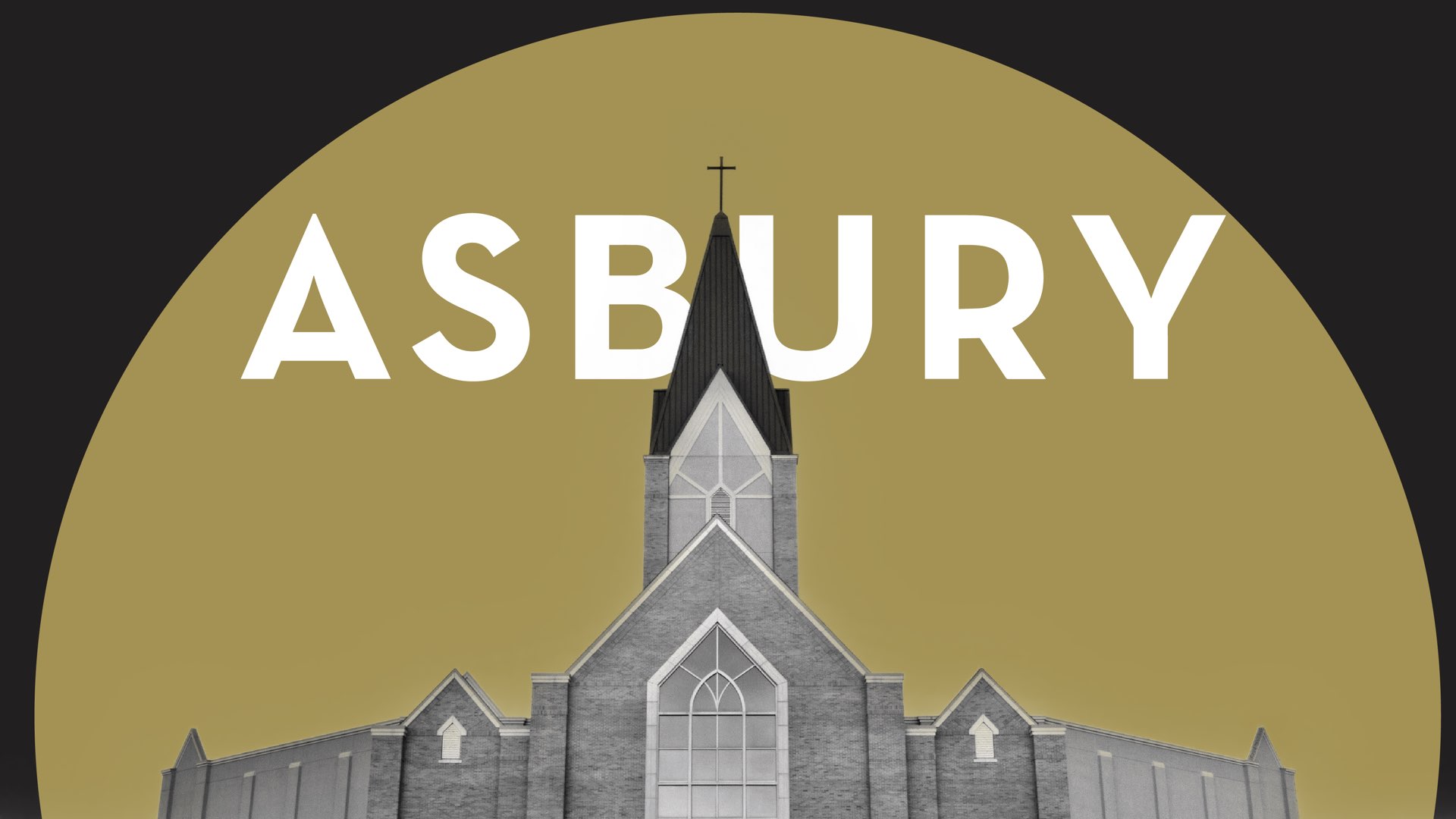
Francis Asbury statue at Asbury Church in Tulsa, OK

What is Underground Seminary?

There are some things that don’t fit in courses I teach, or perhaps even in the seminary curriculum at all, that people preparing to lead in the local church need to wrestle with, think about, or just have someone tell them. There are also conversations that I want to have with people who are preparing to in the church that I think will be helpful to them and I don’t know where they would fit in specific classes.

In my role for Asbury Church, I’m still interested in shaping pastors. So, I have been working on optional, not-for-credit, opportunities that typically come alongside classes I am teaching for Asbury Theological Seminary. I’m calling these special events “Underground Seminary.”

Underground Seminary is for people preparing to lead in the church who are hungry to learn and grow. They want to gain as much wisdom and experience as they can from as many different places as possible as they are prepared and equipped to lead.

I’m most excited to work with people who know God has more for them and they are going after it. Underground Seminary is for these people.


Our next Underground Seminary meeting:

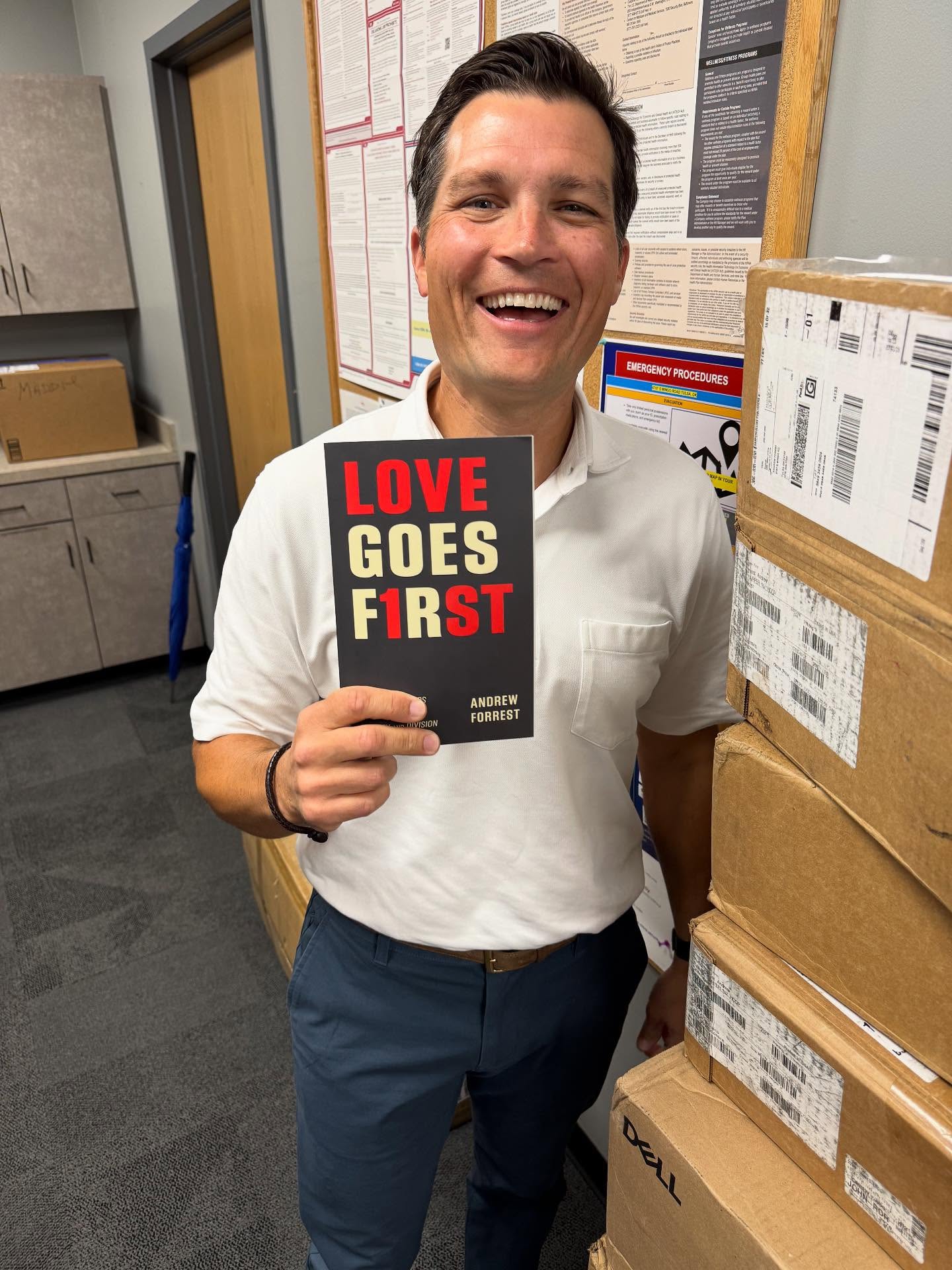
Rev. Andrew Forrest, Asbury Church’s senior pastor, will lead our next Underground Seminary on his new book Love Goes First.

Yesterday was the official release date for Love Goes First. I believe in the message of this book and I am really excited for this book to be out in the world. (If you can’t make it to this event, you should still buy the book!)

I wrote a review of the book, last week. Here is an excerpt from my review:

Here is the unique challenge facing the American church today: For the first time ever, we are faced with reaching a culture that has been exposed to the gospel and is largely built on Christian foundations but is now post-Christian. As Forrest puts it, “It is certainly nothing new for the church to be hated… but it is unprecedented for the church to be hated by a culture that once used to honor and respect it.” (8-9)

And so, Love Goes First is “about how we, as American Christians, can reach the people who believe we are the problem, those who hate us and all we stand for.” (7)

Here is the big idea of the book: 

“If you want to change the world, you have to go first, because love goes first.” (10)

Read the review here.


Andrew is a brilliant strategic thinker about the local church and its role in the world. He has boldness and courage that I admire. He is willing to do the deep work it takes to get to clarity about hard things and big ideas.

If you are a pastor or want to be a church leader, Andrew is someone you should learn from. He has a proven track record as a church planter, leader, and pastor.

To give just one example: In his first three years here at Asbury Church, in person attendance has increased by nearly 25%.

This Underground Seminary gives you the opportunity to hear from Andrew in a smaller more intimate setting than the places he typically speaks. I think this will be challenging, convicting, and fun.


How to join us:

This Underground Seminary will be Thursday November 6th from 12:00 – 2:30pm here at Asbury Church in Tulsa, OK. Those who register will receive lunch and a copy of Love Goes First. Registration is $10. You can register by emailing amiller@asburytulsa.org. You will receive details on the exact location after you register. Deadline to RSVP is October 30th. 

This event is sponsored by Asbury Church. This should be obvious, but lunch and a copy of the book will cost the church more than $10 per person – the book itself is currently $18.78 on Amazon. The point of having a cost of registration is that when people have skin in the game, they tend to follow through and show up. In other words, you can get a copy of the book for basically half price and a free lunch! The church is not making money off of this event. Rather, we are investing in you because we are committed to raising up the next generation of leaders for the church.


There is a lot of mystery and chance in the world of publishing. It is very difficult to predict the success of a new publication. I don’t know if Love Goes First will get the kind of boost needed for it to become a spectacular commercial success. I do know it is the rare book that is worthy of a wide reading. Love Goes First is on the short list of the most important books I’ve read in my ministry career. I think this book is going to be a catalyst for bringing together a new network of Christian leaders who are willing to step into the unknown and risk everything for the Gospel for such a time as this.

Let’s go!


Kevin M. Watson is a Pastor and the Senior Director of Christian Formation at Asbury Church in Tulsa, OK. He is also on the faculty at Asbury Theological Seminary, anchoring the Seminary’s Tulsa, OK Extension Site. His most recent book, Doctrine, Spirit, and Discipline describes the purpose of the Wesleyan tradition and the struggle to maintain its identity in the United States. Affiliate links, which help support my work, used in this post.

Love Goes First – A Prophetic Word for Such a Time as This

30 Tuesday Sep 2025

Posted by Kevin M. Watson in Book Review, Christian Living

≈ Leave a comment

Tags

Andrew Forrest, Asbury Church, Book Review

The Rev. Andrew Forrest has written Love Goes First: Reaching Others in an Age of Anxiety and Division and it is easily one of the ten most important books I have read in the past decade.

Love Goes First offers penetrating cultural analysis. Andrew does the best job of anyone I’ve seen of providing a roadmap for the times in which we are living. I have read a fair amount of cultural analysis that leaves me feeling discouraged, pessimistic, and hopeless. Basically, the feeling I’m left with is: Why even try? 

Almost as bad, may worse actually, is cultural analysis that is thin, overly optimistic, and obviously in denial about the seriousness of the challenges we are facing.

More importantly than offering an accurate diagnosis of where we are, Andrew points us to the way forward. On the one hand, Andrew is honest about the challenges facing the church, which can be sobering. On the other hand, he refuses to be a victim of circumstances beyond his control.

I have seen quite a bit of hand wringing about problems facing American Christians in our cultural moment. I have not seen nearly as much positive and proactive guidance on how to move forward that does not somehow involve putting our heads in the sand.


Here is the unique challenge facing the American church today: For the first time ever, we are  faced with reaching a culture that has been exposed to the gospel and is largely built on Christian foundations but is now post-Christian. As Forrest puts it, “It is certainly nothing new for the church to be hated… but it is unprecedented for the church to be hated by a culture that once used to honor and respect it.” (8-9)

And so, Love Goes First is “about how we, as American Christians, can reach the people who believe we are the problem, those who hate us and all we stand for.” (7)

Here is the big idea of the book that Andrew unpacks over the following chapters: 

“If you want to change the world, you have to go first, because love goes first.” (10)

Some people will miss just how profound that statement is because they will think they already know it. So many of the most important truths in life are obvious when they are stated, but their deep impact comes from the commitment to live according to reality. 

It is living according to the way things are that is difficult and potent.

“If you want to change the world, you have to go first, because love goes first.”

This requires willingness to be rejected. It requires willingness to be hurt emotionally, perhaps even physically. 


Andrew is a wordsmith. And this book has so many truth bombs sprinkled throughout. Here are a few:

“Young people interviewed on the street might applaud our accommodationist values, but they would never come to our churches.” (48)

“Accommodation would mean a church without distinctiveness, judgment would mean a church without success, withdrawal would mean a church without purpose. What do we do now? Our only option is to move forward…. to go first.” (68)

“One of the great problems with contemporary higher education is that our young people are being permanently infantilized because we are teaching them to prioritize feelings above facts, a manner of instruction that will ultimately benefit neither them nor us.” (77)

“Going first as I use the phrase is not about you at all: It’s about the other.” (116)

“The Bible’s understanding of love is exactly opposite to that of the world.” (135)

“Going first comes with a cost. The love of God, though freely given, was indescribably costly to give. The same is true for us – yes, going first has the power to change the world, but it is going to cost us everything.” (179)

“If you decide to go first, you will get hurt. It will sting. You’ll be misunderstood.” (187)

These quotes give you a taste of the seriousness of this book. Andrew is not playing games. He is not tickling ears. This book is a product of years of leadership in the church and reflection on how fast things have changes over the past decade or so.


Love Goes First is the battle plan for how Christians can turn the tide in a time of increased hostility and even persecution in our day. The book does not offer wishful thinking for people who just want everything to get better without having any skin in the game or having to risk anything.

My prayer is that Love Goes First will serve as a wakeup call to the American Church. My experience in my own part of the American church has been so insular, petty, and obsessed with denominational fighting that I think the enemy has been using it to keep the church focused on itself and distracted from its central mission.

In all times and all places, the church is called to reach everyone, everywhere, and teach them everything Jesus has taught us. (This is how Andrew paraphrased the Great Commission [Matthew 28:16-20] in his sermon this weekend, the first in a sermon series on Love Goes First. It was fantastic. You should watch it.)

How are we doing with making disciples of Jesus Christ?

In my experience, every church in the United States knows that their mission is to make disciples of Jesus Christ. And yet, almost no churches know how to actually do this.

We need to recalibrate the activities that happen in the church and ask ourselves: Is this helping the people who participate take the next step in their faith in Jesus? Is this helping someone move from considering the claims of the gospel of Jesus Christ to faith in him? Is this helping someone with new faith in Jesus become closer to Jesus? Is this helping someone who is growing closer to Jesus learn to put Jesus at the very center of their lives and become a mature committed follower who is willing to risk everything for faithfulness to Christ?

Love Goes First is not a discipleship handbook. It is more like someone pulling the fire alarm. The building is on fire. We’ve been so numbed and complacent, we’ve fallen asleep. I believe the Lord is waking the American church from its slumber. And I think Forrest’s book is one of the ways he is doing that. 


I’d like to offer a personal word about Andrew Forrest. I believe Andrew is the best preacher of his generation. He is a bold and courageous leader. He is an exceptional pastor. I’ve known Andrew for 17 years. We met during my first year in the PhD program at SMU when he was working on his MDiv.  Our sons were born within a few weeks of each other while we were in Dallas. My wife and I were part of the launch team for the church Andrew and his wife led in East Dallas for more than a decade. Andrew and I were in an accountability group together for several years.

From 2011 to 2023, I moved 4 times. During those years, Andrew was a faithful friend. In August of 2022 Andrew became the senior pastor of the church my parents had been attending for more than a decade, Asbury Church in Tulsa, OK. Andrew came to Asbury at a difficult time in my life. My mom was diagnosed with terminal cancer in the Fall of 2022 and she died in early 2023. Prior to my mom’s illness, I was in the midst of the most challenging season in work and ministry I have ever experienced. Andrew’s kindness and concern for me since we met in 2011 has been remarkable and consistent. 

The generosity of Asbury Church made it possible for my family to move to Tulsa and begin work at Asbury Theological Seminary, anchoring the seminary’s Tulsa Extension Site. Working for Andrew at Asbury Church has been so fun! I have learned so much.

By the way, Andrew writes regularly at his own website. You should check it out.

Love Goes First is an excellent book. It stands on its own. You don’t have to know the author to read it and benefit from it. However, it is a particular blessing to me to know the author of this book and be able to enthusiastically commend Andrew to you as much as the content of the book itself.


You should buy a copy of Love Goes First now. Read it. Talk about it with your staff, your community, your family, and your friends. It officially releases on October 7th, one week from today. Pre-order it now. 

I don’t know what is going to happen in the American church. Only the Lord knows. But I am sure that we must follow the example of our Lord and go first in love to a world that is broken, hurting, and angry. 

Even if it costs us everything.

Love Goes First is a prophetic word for such a time as this. I hope you will check it out!


[Full disclosure: Andrew is also my boss. He did not ask me to write this review. I am writing it solely because I believe this book will help you if you are a leader in the church or seeking to grow in your faith in Jesus.]

Kevin M. Watson is a Pastor and the Senior Director of Christian Formation at Asbury Church in Tulsa, OK. He is also on the faculty at Asbury Theological Seminary, anchoring the Seminary’s Tulsa, OK Extension Site. His most recent book, Doctrine, Spirit, and Discipline describes the purpose of the Wesleyan tradition and the struggle to maintain its identity in the United States. Affiliate links, which help support my work, used in this post.

The Shepherd (NKJV) by Humble Lamb: Innovation and Distinctive Design in a Premium Bible

12 Thursday Jun 2025

Posted by Kevin M. Watson in Bible Review, Book Review

≈ Leave a comment

Tags

Bible Review, Book Review, Humble Lamb, NKJV, premium Bibles

It has been nearly five years since I have reviewed a Bible here. I wrote my first review of a fine Bible in May, 2018. I reviewed an NIV Schuyler Quentel. Over the next two years, I really enjoyed having the chance to review a few dozen premium leather Bibles. 

There are a handful of reasons I initially decided to write these reviews. The first and foremost is that I believe reading a physical copy of the Bible is superior to reading the Bible on a screen. You remember and retain what you read in a physical book more than a screen. But especially with the rise of smartphones, which are themselves beautifully designed and addictively enjoyable to interact with, I think there is a need for and value in Bibles that are themselves beautifully designed, a joy to hold, and designed thoughtfully for the reading experience. Fine Bibles are expensive. They are also built to be used and to last a lifetime. Simply put, I think premium Bibles are a worthy investment.

From 2018 through 2020, I reviewed Bibles by Cambridge, Crossway, Schuyler, Thomas Nelson, Trinitarian Bible Society, and Zondervan. These reviews gained the most interest and interaction from readers of about anything I’ve written, other than my “Wesley didn’t say it” series. I still get questions from people about Bibles. In fact, the most recent question from a reader was seeking advice about which NLT Bible she should purchase based on a handful of criteria. The highlight for me of those years reviewing fine Bibles was realizing that Cambridge featured my reviews in their yearly Bible catalogue. In fact, the current catalogue still has a quote from my review of the Pitt Minion (see p. 15).

I recently became aware of some significant new additions in the world of Bible publishing. This post is introducing a Bible from a publisher I did not know existed when I wrote my last post (though they officially started in 2017): Humble Lamb.

Humble Lamb currently has Bibles in four different translations: KJV, NKJV, NASB, and NLT. Each translation is a different layout. What is most interesting to me is that Humble Lamb seems to have thought through the range of options in the world of premium Bibles and intentionally created a space for themselves that is distinct but still works in the fine Bibles space. We will get into some of the differences, but they are really unique compared to any other Bible I have reviewed here. In fact, for me, they push the envelope so much that I wondered if I would like some of the choices that were made. Spoiler alert: I did!

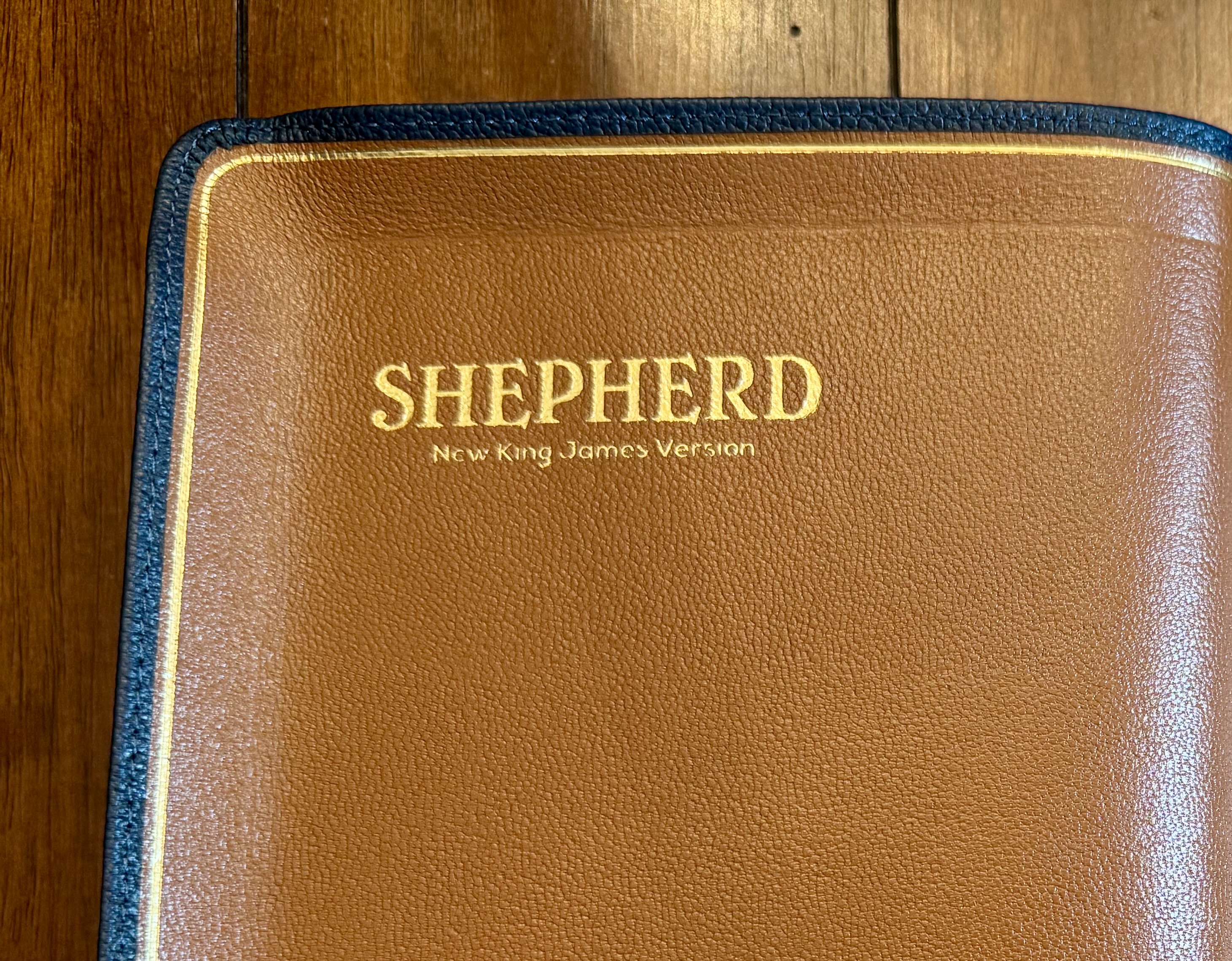
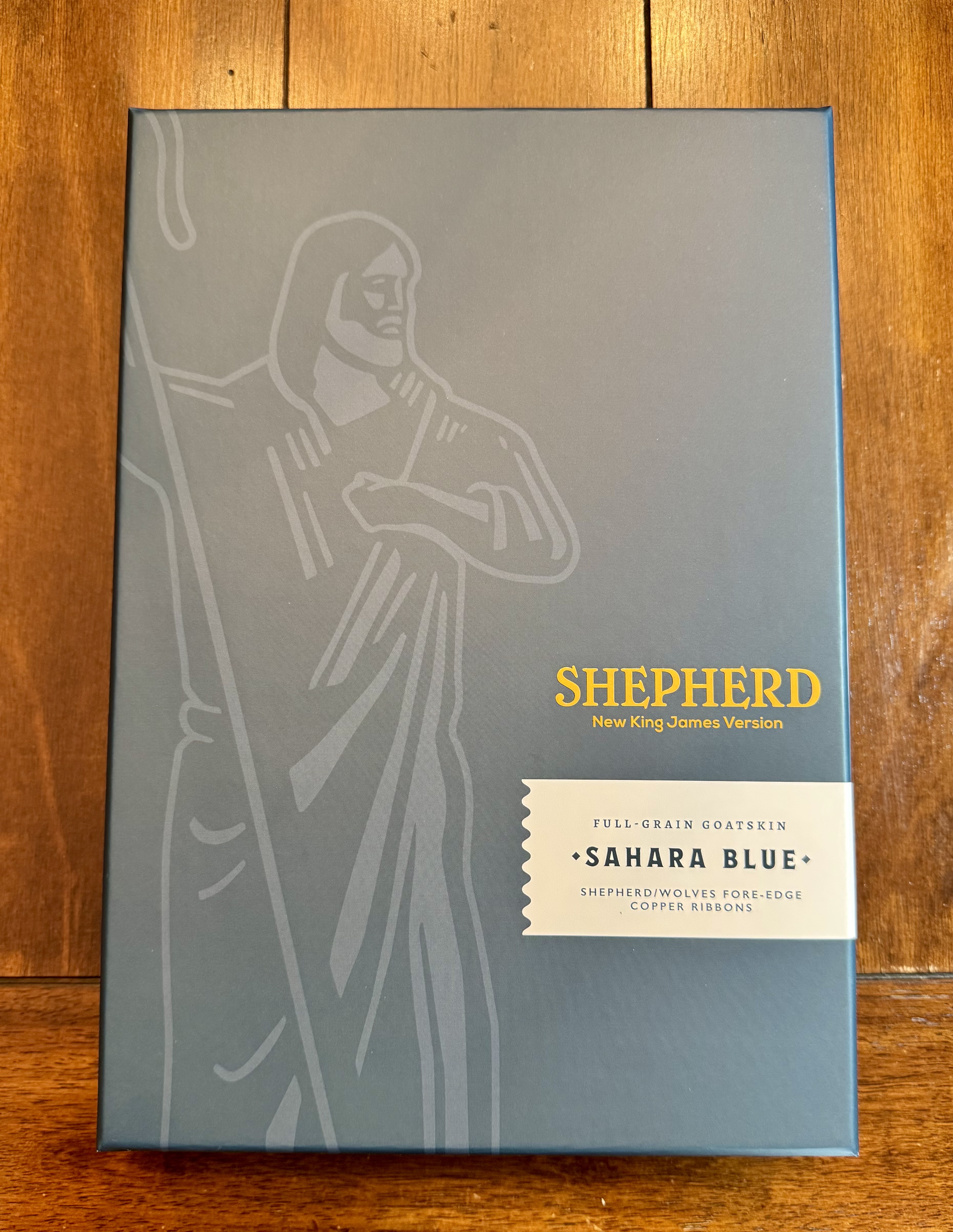
Humble Lamb sent me a review copy of their NKJV Bible, the “Shepherd”. There are size colors available in the NKJV Shepherd. Humble Lamb sent me “Sahara Blue.” 

Distinctive Design Choices

I want to start by talking about the choices Humble Lamb has made that cause their Bibles to really stand apart from the other options currently available in fine Bibles. I see five key choices that are different.

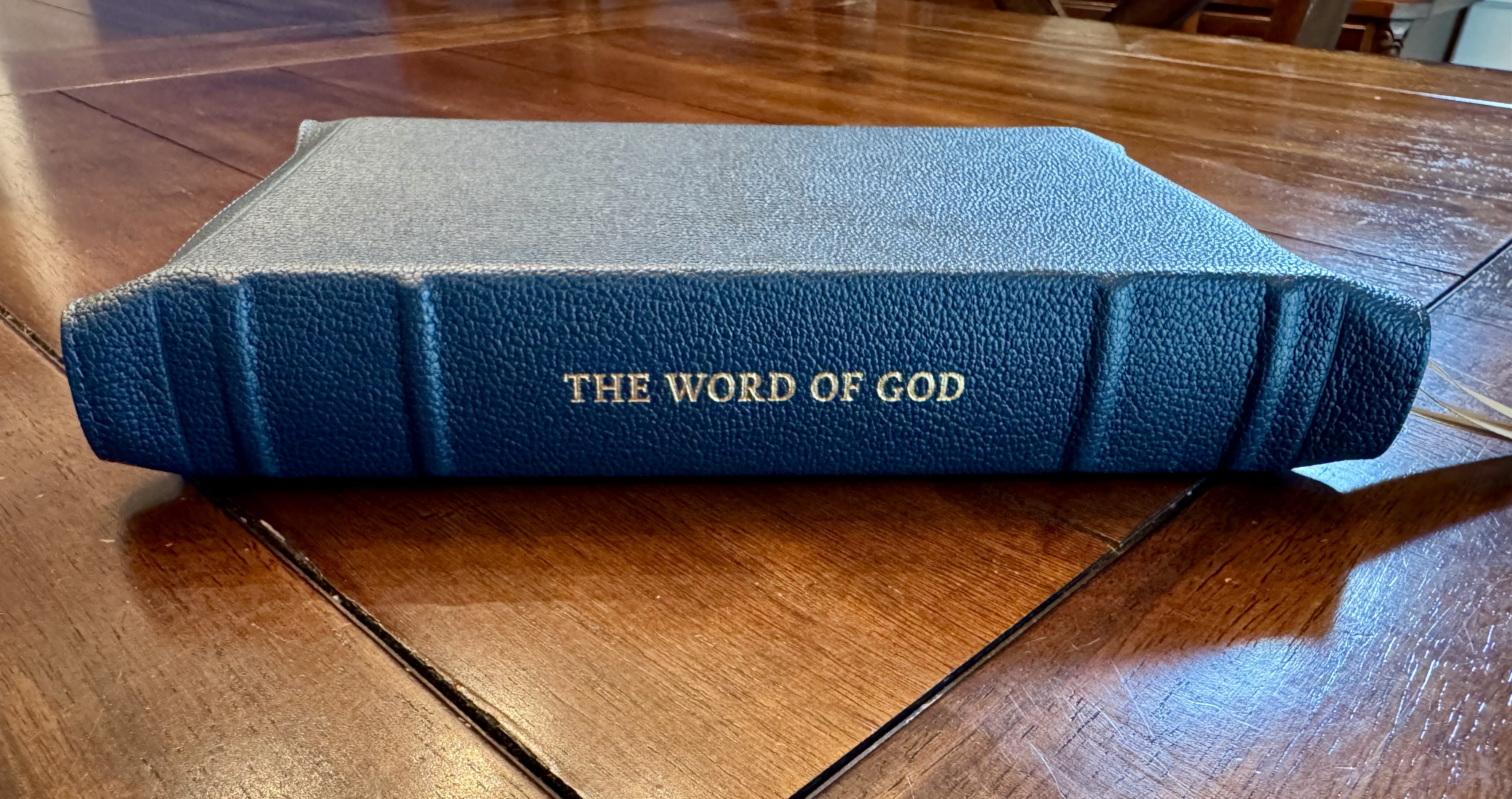
First, all Humble Lamb bibles have “The Word of God” stamped on the spine. Most premium Bibles have “Holy Bible,” the translation abbreviation, and the publisher. Humble Lamb has changed the phrase in a way that grabbed my attention and has kept it simple. It says “The Word of God” and nothing else. This is the case across all four translations. The inside cover contains the name of the Bible and translation “Shepherd, New King James Version.” I think this design decision was a good risk. I’ll say a bit more after going through the rest of the differences.

Second, most premium Bibles have gold page edges and when the Bible is opened there is a reddish color that is under the gold. I think this might be the most dramatic design change Humble Lamb has implemented. Rather than a simple subtle color change, Humble Lamb has introduced art on the fore-edge of the Bible. It is visible when the Bible is closed but subtle and would be easy to miss. But when the Bible is open, it is unmistakable and striking. The Shepherd has two different options for the fore-edge gilt art. Mine has Jesus holding a lamb surrounding by wolves. It is a great image of Jesus’s promises in John 10. I can easily imagine this seeming cheap or gimmicky. But Humble Lamb has pulled it off. After using this Bible every morning for more than a month, this Bible would seem strange to me if it did not have this element. 

Third, Humble Lamb has added Gustave Doré illustrations throughout the Bible. This is the design element I have wrestled with the most. I think it works with the overall flow of the Bible. The art on the page edges makes the art inside the Bible make more sense. I am still undecided about whether I would choose to have this element, if I could have the same Bible with the images or without the images. The inclusion of the illustrations makes it start to feel like a Study Bible, without any of the other features of a Study Bible. I was a bit surprised there wasn’t more context or explanation for the illustrations in the Bible itself. If I had to guess, where I am unsure on this element, I bet many more people are enthusiastic about this addition. There is one other tradeoff I kept thinking about I’ll come back to in a moment.

Fourth, the words of Christ are blue in this Bible. (They are typically red, if they are set off from the regular text.) There are different views about whether the words of Christ should be in a different color than the rest of Scripture. I think the choice to use blue instead of red for this Bible totally works. It is the kind of change that feels dramatic, because I’d only ever seen red. However, it is not actually that big of a change. I think it is a brilliant move that makes the Bible really feel different from other Bibles.

Fifth, and finally, Humble Lamb Bibles have more color options for the cover than most Bible publishers. The Shepherd comes in six colors. I have one of the two most conservative colors “Sahara Blue.” The other is “Black Wool.” “Forest Green” looks like a good option is you want a Bible that is distinct from the typical black, brown, or blue, but aren’t ready to be too crazy in your color choice. And then there are the options of “London Red,” “Coral Coastline,” and “Aspen Gold.” I do not think I would like the brighter colors for a premium Bible. It would feel like a substantial risk to me at this price point. But what do I know? It looks to me like other publishers have been influenced by Humble Lamb as many of them seem to be offering more color options.

 Overall thoughts on the distinctive design of the The Shepherd

I think these five distinctive design elements generally work very well together. If Humble Lamb had been risk averse and had just chosen one, I don’t think it would work. If you took any of the first four things named above by itself, I don’t think it would work. I think what Humble Lamb has done so well is figure out what the principles of a premium Bible are and keep them solidly in place, while being willing to innovate and change multiple things around that. The overall feel is that this is a unique Bible that still feels like an exceptional premium Bible.

The Rest

The Cover

The cover is full-grain goatskin leather. It is a true full yapp cover. The spine has four bands, which I love.  I also really like the Sahara blue color. It is not too bright or too dull. The blue looks great with the gold “The Word of God” on the spine and with the three copper ribbons. The ribbons also come out of the box at the perfect length, neither too short nor too long. 

Layout

The Shepherd has a single column layout. This is a must for some people. It is not for me. But I do think it made it reading this Bible more enjoyable. I was initially surprised to see a Bible of this size only have a 9pt font. The space between lines and the overall layout do make it highly readable. It feels like a bigger font than 9pt when reading it.

This Bible has cross references, which is a top priority for me in a premium Bible. They are in the margins out from the corresponding verse out at the side, which makes them the easiest to use. Textual notes are in the footer, which helps separate them from cross references.

There is one thing I wish were different about the layout. I think may be a personal quirk that is not important to everyone. I prefer each Book of the Bible to start on a new page. I mentioned a tradeoff I wrestled with when thinking about the illustrations in the Bible. If I could remove the illustrations and have each Book start on a new page, I would. Luke, for example, starts with only three lines at the bottom of the page. I don’t love that design.

Overall, I do like the design choices made with the Shepherd, with the one exception just noted. The layout is key to ease and enjoyment of use when reading. I would give this Bible top marks for ease and enjoyment of reading.

The Box

I want to name one other thing that I really like about this Bible that may seem strange to you. I really like the box this Bible came in. It is very sturdy. The color coordinates with the cover of the Bible. It does not have any extra text, so it is clean and seems more elegant or substantial to me. The presentation and experience opening the Bible was the best I’ve had with any Bible. It was obvious to me that this is a place Humble Lamb put serious thought and effort. They executed this very well. 

Conclusion

Overall, I think the Shepherd is a fantastic Bible. I have really enjoyed reading it in the mornings since I received it. And while I wanted to spend quite a bit of time reading it before writing this review, this is not a Bible I am going to put away after publishing this review. It is fun and enjoyable to read. Humble Lamb has done a fantastic job with this Bible. This Bible is exactly the kind of Bible I love recommending. As I mentioned at the beginning, with the competition of smartphones and screens for our attention, I am thankful there are Bibles like this that are a delight to hold, read, and interact with. 

I am excited to see what Humble Lamb comes up with next!

Humble Lamb generously provided the Shepherd pictured here for review. I was not required to give a positive review of this Bible, only an honest one.


Kevin M. Watson is Director of Academic Growth and Formation at Asbury Theological Seminary’s Tulsa, OK Extension Site. He is also Scholar in Residence at Asbury Church. His most recent book, Doctrine, Spirit, and Discipline describes the purpose of the Wesleyan tradition and the struggle to maintain its identity in the United States. Affiliate links, which help support my work, used in this post.

New Review of My Book Doctrine, Spirit, and Discipline!

25 Tuesday Mar 2025

Posted by Kevin M. Watson in Book Review

≈ 1 Comment

Tags

Book Review, Chris Ritter, Doctrine Spirit Discipline, Kevin Watson, Methodism, Wesley

Chris Ritter published a great review of my book Doctrine, Spirit, and Discipline: A History of the Wesleyan Tradition in the United States (Zondervan) on his blog last week.

Ritter writes:

Given Watson’s clear passion for Methodist recovery, it should come as no surprise he shapes this latest work around a clear thesis: Methodism thrives when it stays close to its original fire and suffers when it strays. Watson’s account will undoubtedly become the standard telling of Methodist history for Global Methodists.

More from Ritter’s review:

The focus on Wesleyan doctrine sets Doctrine, Spirit, and Discipline apart from 20th Century histories of Methodism. My frustration with earlier histories is that they describe organizational developments without accounting for the move of the Holy Spirit behind it all. As a pastor, I welcome this one-volume history as an accessible reference to share with those interested in learning more about Wesleyan DNA.

Chris puts his finger on two pieces of the book that were especially important to me and where I worked really hard in the research and writing of the book. First:

Wesleyans are Holy Spirit people. Doctrine, Spirit, and Discipline describes the rich connection between Wesleyan and Pentecostal/Charismatic spirituality and (rightly) groups Methodists with the fastest growing stream of Christianity on the planet. I also appreciate Watson’s unflinching treatment of slavery, injustice, and the struggle of female preachers to be recognized for their gifts.

I wanted this book to a Pan-Wesleyan history of the Wesleyan theological tradition in the United States that told the whole family story, and not only noted when people left or were expelled from the mainline Methodist part of the family.

Second:

United Methodists will notice that Watson presents the UMC as a failed experiment in theological pluralism. His final chapter, “A Tradition in Search for Its Identity” is worth the price of the entire book. As far as I know, it is the first published history of the break-up of the UMC, at least in book form. This story deserves a full volume and perhaps Watson is the one to tackle this project. I would love to see a video series based on Doctrine, Spirit, and Discipline for use in the local church. 

At one level, from my time as a PhD student beginning in 2008 until I left the United Methodist Church, I was working to understand and explain what was happening in United Methodism. It was a confusing and dysfunctional mess in a variety of ways, a tangled knot that was hard to untie to analyze and understand. I’m sure many will disagree with my analysis, though I did the best I could to describe historical events as they happened. For my part, I am proud of the work that went into writing that chapter. I think it is true. Writing that chapter also helped me find peace regarding my time as a United Methodist and move forward with hope and optimism for the future.

Last part from the review:

I recommend Doctrine, Spirit and Discipline as a foundational resource for Methodists to understand our story and (as Billy Abraham put it) awaken from doctrinal amnesia. Although clearly not a theological textbook, Watson’s latest book should foster a renewed Pan-Wesleyan dialog among Wesleyan tribes interested in the project of doctrinal recovery and Spirit-driven renewal. Awareness of where we have been goes a long way in determining a faithful path forward.

Read the entire review here.

I am really grateful for Chris’s review. Due to denominational division and a variety of other things, the market for this book changed significantly from when I first committed to write this book 7 years ago.

I have tried to get this book into the hands of as many laity as I can because I believe much of what went sideways in the UMC was because laity were walled off from, or inattentive to, the ways the highest levels of leadership in the denomination were moving away from the teachings and practices of the institution they were entrusted with leading. This has left me with an increased burden to raise the bar for normal Christians. I want to press them to have more skin in the game. I want them to keep going, to take ground.

Even more, I am praying for a revival of scriptural holiness in our day. And so, while I’ve been encouraged by the success of the book and the positive feedback from folks across the Wesleyan family broadly, I am more encouraged by what I see the Holy Spirit doing in the church. I am so thankful for what is happening at Asbury Church here in Tulsa, Oklahoma! I received a testimony to a healing here today.

As we like to say around here, God has more for everyone.

God is good!

P.S. If you haven’t followed Chris Ritter’s work, you should! He has long been one of the most trusted voices in conservative Methodism. I don’t know how he keeps his ear to the ground like he does, but somehow, he does it. You should become a subscriber and support him financially. (Go to the previous link and click “Join Team Caffeine.”) I’m increasingly convinced that this kind of direct support from core constituencies is essential in our day.

Top 5 Must-Read New Releases of 2024

22 Wednesday Jan 2025

Posted by Kevin M. Watson in Book Review, Uncategorized

≈ Leave a comment

Tags

Book Review, book-reviews, books, culture, reading

I like to read.

For several years now, I have tried to read 100 books a year. I have not hit the target more than I have. 


A quick random aside: How are your New Year’s Resolutions going? Did you make any? I realized this year with a simple clarity that I unapologetically love New Year’s Resolutions! It does not bother me at all if they are not your thing. My clarity came from a thought I randomly had in mid-Fall last year:

New Year’s Resolutions work for you if you are still thinking about them in October. 

This totally happened for me last year. In October, I realized I was way behind the pace (so far, I could not realistically catch up). But it motivated me to start reading again. I’m just better when I’m reading. 


Last year I ended up reading 88 books. This year, I am off to a good start and ahead of the pace. But there is a long way to go. We’ll see how it goes!


I not only enjoy reading, I enjoy a good book recommendation. I hope you do too! I read a lot of books I really enjoyed last year. Maybe the highlight for me was finishing reading the Chronicles of Narnia series out lout to my kids. (You should absolutely read them in the original publication order and not the chronological order imposed on them by later publishers.) My kids are all avid readers and do not need me to read out loud to them. But I wanted them to hear one of my favorite stories in their father’s voice. And there are just so many characters in those books that are so fun to read out loud. (Puddleglum!)

I decided I wanted to write a top five post to celebrate and share my favorite books from the year. I had a hard time getting my list pared down to a manageable size. For whatever reason, I noticed a handful of books I really liked that were also new releases last year. So, I decided to limit this to a top five of new release from the past year. Hope you like it! 


I am listing my top five new releases of 2024 in reverse order for one reason: It seemed more fun to me.

#5 Democracy and Solidarity: On the Cultural Roots of America’s Political Crisis, James Davison Hunter

Of the five books I list here, this is the most demanding read. (Not coincidentally, it is the only one published by a University Press.) I do not mean this as an insult. I am only naming it to set expectations. You should read this book. But it will require a lot of you. And that’s ok, because, as I tell my kids: You are capable of great struggle!

James Davison Hunter, who previously wrote another very influential book – To Change the World – argues in Democracy and Solidarity that the roots of solidarity in the United States are breaking down and dissolving. There must be some degree of unity within any political organization for it to work. Hunter offers a detailed and sophisticated description of how this has worked in the history of the United States. He then makes the case that we are at a breaking point in terms of the solidarity required to persist as a stable political order. This is not a hysterical reactionary clickbait piece. It is a thoughtful, measured, and carefully argued book that people across the spectrum will find things with which they agree and disagree.

When I recently saw a clip of politicians refusing to shake hands during a ceremony related to the peaceful transfer of power, it bothered me in a way it would not have had I not read this book. Democracy and Solidarity is a sobering but deeply relevant book. 

#4 Life in the  Negative World: Confronting Challenges in an Anti-Christian Culture, Aaron Renn

I was already familiar with Renn’s Three Worlds of Evangelicalism framework and find it to be a helpful way of thinking about where we’ve been and how the church ought to respond in the present. I think Renn’s book is the first book I pre-ordered because I intentionally wanted to help the author have the best possible chance of a successful book launch that increased the book’s visibility. I am thankful for Aaron Renn because he has started many important conversations that people in more obvious positions should have started but were unable or unwilling to do so because of a lack of imagination, willingness to do the work to think deeply about hard things, or simple cowardice. I am thankful his ideas are gaining influence and being taken seriously.

Part I, where he explains and makes the case that we are in Negative World, is the best part of the book. I have come to think of the rest of the book as helpful suggestions or first drafts of what it looks like to live faithful as a follower of Jesus Christ (both personally and corporately) in Negative World. My guess is it will be practitioners who figure out how to most effectively do much of this work (and I’m pretty sure Renn himself would agree with this from his other work I’ve followed). In other words, Renn serves as a very helpful prod to recognize that the times have changed, and we need Negative World strategies to win in Negative World. 

#3 Living in Wonder: Finding Mystery and Meaning in a Secular Age, Rod Dreher

If I’m following correctly, I think Rod Dreher believes in aliens (see chapter 6). Ok, now that I have your attention, here is what really fascinated me and encouraged me about this book. Dreher lets the reader in to his very personal story with the supernatural. He has experiences which are not explainable in purely rational terms or through the laws of nature and what we know about how the world works.

I have walked a similar journey in the sense that I have had immediate and supernatural encounters with the Lord that defy academic explanation. That felt like a problem because, well, I am an academic. (I care more about being an effective pastor than being an effective academic, but I am trained as one and am a seminary professor.) In his previous book The Benedict Option, Dreher put his finger on the need for communities of belonging, deep formation, and strengthening in an increasingly anti-Christian context. In a way I did not expect when I began reading this book, I think Dreher may have named the reality that we are all charismatics now. By this, I do not mean that everyone is literally a charismatic in terms of some precise definition. What I mean is that the church, across the entire Body of Christ, is rediscovering the presence and power of the Holy Spirit. There is an openness to the work of the Holy Spirit in a way that I did not experience when I was in seminary. Dreher wrote in a way that seemed to me to come from a place of vulnerable sharing. I sensed it felt risky to him to share the parts of his story he shared. And something about this book made me think we have crossed a line where testimony to the “weird” stuff won’t seem weird or abnormal much longer. And that is a good thing! Again, I am thankful for Dreher’s courage in writing and releasing this book to the world.

#2 Bad Therapy: Why the Kids Aren’t Growing Up, Abigail Shrier

Abigail Shrier has written two major books, and they are both amazing. Her first book, Irreversible Damage: The Transgender Craze Seducing Our Daughters, courageously shone a light on the impact of transgender ideology on young women and the excesses of the hasty embrace of the movement by many in the cultural mainstream. In 2024, she wrote Bad Therapy: Why the Kids Aren’t Growing Up. Shrier helped me think through two things that were concerns in the back of my mind but that I could not articulate. 

First, therapy does not seem to wrestle with iatrogenic injury. An iatrogenic injury is an injury that is caused by the intervention of a care giver. This is uncontroversial in medicine. The possibility of iatrogenic injury needs to be discussed more with therapy. Second, and related to the first, Shrier discusses the lack of an end goal in some approaches to therapy. Sometimes people come to a place where they feel they cannot cope in life in general without their counselor or therapists’ constant engagement and guidance of their lives. This seems unhealthy and the opposite of what you would expect at the outset when choosing to engage the services of a counselor or therapist.

I am tempted to qualify this in many ways because I know this is a tender area for many. I will just say here that if my summary does not sit with you, feel free to skip this book. Or, it might be that it would be especially worthwhile for you to read and consider Shrier’s analysis.

#1 The Anxious Generation: How the Great Rewiring of Childhood Is Causing an Epidemic of Mental Illness, Jonathan Haidt

At some level, I think everyone knows that the rise of smartphones and social media has not been good for us. In The Anxious Generation, Haidt pulls the fire alarm and demonstrates just how detrimental the “phone-based childhood” is for kids. For parents who have already given their children smartphones and access to social media, there will be much temptation to defensiveness or feeling like the die has been cast and nothing can be done. I think this is a hopeful book, because it is always better to live in reality than deny it. We have reached a turning point where we collectively now know that smartphones and social media have a net negative impact on children and adolescents and it is not even close.

This book is the best new book I read last year because it is a piercing diagnosis of the problem. And it also offers hopeful and helpful practical suggestions for a way forward.

Bonus: Or, a Humble Brag

Ok, let’s be real. If you’ve follow me at all you know that none of these books are really my favorite new release in 2024. I had a new book come out in 2024. And it is my favorite. Doctrine, Spirit, and Discipline: A History of the Wesleyan Tradition in the United States is both a history of where the Wesleyan/Methodist tradition has been as it continues to fracture and divide. I also hope the book is a sign pointing to a hopeful and faithful future for those who carry the mantle of the Wesleyan theological heritage. If you haven’t read it yet, the price is the lowest right now on Amazon that I’ve seen. I hope you will check it out!

Links in this post are affiliate links and help support my work.

Podcasts Featuring My New Book: Doctrine, Spirit, and Discipline

21 Thursday Nov 2024

Posted by Kevin M. Watson in Book Review, Life, Methodist History

≈ Leave a comment

Tags

class meeting, John Wesley, Methodism, small groups, Wesley

This is a short post to share two podcasts appearances from this week.

The prompt for both invitations was the release of my new book Doctrine, Spirit, and Discipline: A History of the Wesleyan Tradition in the United States. #affiliate I did quite a few interviews in the weeks the book was released in late June. The first print run sold out in a few weeks. The timing of these conversations is great because Doctrine, Spirit, and Discipline is back in stock!

If you enjoy these kinds of conversations, I think you’ll enjoy both episodes as they went in significantly different directions.

I was interviewed by Dr. Brian Russell on his podcast Deep Dive Spirituality. This was my second time on Dr. Russell’s podcast. I really enjoyed the conversation with him about my new book. My favorite part of the conversation, however, was when he asked me what I am most hopeful about the future. He set it up with a great image. Audio only is available here.

YouTube version here: https://www.youtube.com/watch?v=-EYBwB2T2aw

I was also interviewed by Rev. Jeffrey Rickman on his podcast Plain Spoken. We also talked about the book and spent time talking about implications of the book’s argument for theological education and developments in the Global Methodist Church. Check out my conversation with Rev. Rickman here: https://plainspokenpod.substack.com/p/american-methodist-history-and-its

Thanks to Brian and Jeffrey for having me on their podcasts! I hope you’ll check them both out.

Doctrine, Spirit, and Discipline: A History of the Wesleyan Tradition in the United States – Book Release

25 Tuesday Jun 2024

Posted by Kevin M. Watson in Book Review, Holiness, Methodist History, Wesley

≈ Leave a comment

Tags

Book Review, John Wesley, Methodism, Methodist, Wesley

After working on this book for seven years, my new book Doctrine, Spirit, and Discipline: A History of the Wesleyan Tradition in the United States is officially released.

I am so thankful to the Lord that this day has arrived!

If you haven’t picked up a copy of the book, I hope you will today!

Here is the summary of the book from the dust jacket:

An expansive, substantive history of the Wesleyan tradition in the United States, Doctrine, Spirit, and Discipline offers a broad survey of the Methodist movement as it developed and spread throughout America, from the colonial era to the present day. It also provides a theological appraisal of these developments in light of John Wesley’s foundational vision. Beginning with Wesley himself, Watson describes the distinctiveness of the tradition at the outset. Then, as history unfolds, he identifies the common set of beliefs and practices that have unified a diverse group of people across the centuries, providing them a common identity through a number of divisions and mergers. At a time when sweeping changes continue to transform Methodism and the pan-Wesleyan movement, Watson shows that the heart of the Wesleyan theological tradition is both more expansive and substantive than any singular denominational identity.

For more information check out the post I wrote here.

Zondervan has created a fantastic page for the book here.

Buy the book at Amazon here (affiliate link) or through Zondervan directly here.

I have been interviewed on several podcasts about the book. I will update interviews as they go live.

I was on Art of Holiness with Rev. Dr. Carolyn Moore. Check it out here.

I was on Spirit & Truth with Rev. Dr. Matt Reynolds. Check it out here.

The interest in this book has been so encouraging to me. Thank you so much to each of you who have bought the book. I am grateful! 

New Book Announcement: Doctrine, Spirit, and Discipline

11 Tuesday Jun 2024

Posted by Kevin M. Watson in Book Review, Holiness, Life, Methodist History, Wesley

≈ 2 Comments

Tags

Book Review, John Wesley, Methodism, Wesley

On June 25, 2024 Doctrine, Spirit, and Discipline: A History of the Wesleyan Tradition in the United States will be released. And I need your help!

In some ways, I have been working on this book my entire scholarly career. I started this project in earnest seven years ago. This is the most ambitious writing project I’ve undertaken. I believe it is also the most important book I’ve written.

Why?

One of the main problems I have been trying to solve throughout my work in the church and the academy is identifying the core content of the Wesleyan/Methodist theological tradition. What does it mean to be Wesleyan or Methodist?

My sense has been that many different parts of the Wesleyan tradition have been undergoing a crisis of identity for various reasons. Some have pursued cultural respectability at the expense of coherence and clarity. Others have moved away from the riches of their heritage in the Holiness Movement to generic evangelicalism. Much more could be said on this.

In Doctrine, Spirit, and Discipline, I argue that there is an identifiable theological tradition running through the Wesleyan/Methodist theological tradition in the United States. It was clearly articulated by John Wesley in the beginnings of Methodism in Britain. And this theological vision, along with the method that gave it its name, was embraced explicitly by the founders of the first denominations founded in the United States. 

My sense is that the Wesleyan theological tradition is in a time of both fragmenting and realigning. I don’t think we can know yet how things are going to sort out. There are even very good reasons to think that denominational identity will not have the purchase in the future that it has had in the past.

With all this change and uncertainty, there is one thing of which I am confident: I am convinced the founding vision of John Wesley and the first Methodists is as relevant for our day as it was for theirs, if not more so. 

Before we can do anything else, we need to know who we are. Getting clear of our identity requires knowing our history. We need to know where we’ve come from.

Doctrine, Spirit, and Discipline is my attempt to tell the story of the Wesleyan tradition in the United States in a way that intentionally, though I am sure imperfectly and incompletely, tells the story through a broader lens than it has been typically told.

I also do the best that I can to wrestle with the issues and challenges facing the church today. I do this because I am convinced that our past is an essential guide for a better future.

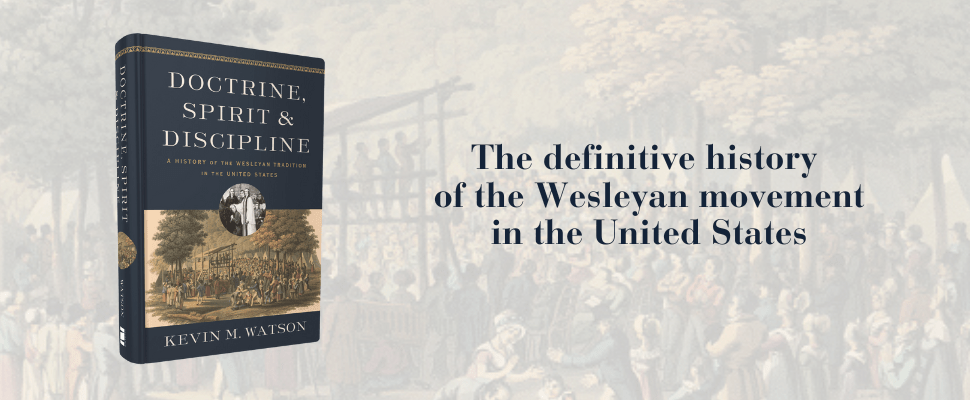
I have been humbled by the endorsements this book has received. This book has been described as “the definitive history of the Wesleyan movement in the United States.” Here are a few endorsements, you can read more at the landing page Zondervan has created for the book.

“Kevin Watson’s newest book, Doctrine, Spirit, and Discipline, is not just the latest history of Methodism in America. Rather, it’s a tour de force. Previous historical accounts have viewed the institutions that resulted in the United Methodist Church as the truly legitimate Methodist trajectory, while offering just a fleeting look at other Wesleyan denominations. But rather than seeing African American, Holiness, and Pentecostal church bodies as schismatic and somewhat peripheral to the Methodist story, Watson treats them as central. Why? Because these groups, though smaller in size than better-known, larger institutions (Methodist Episcopal/Methodist/United Methodist), often maintained Wesley’s theological foundation more consistently. Watson sees Wesley’s formulation of “doctrine, spirit, and discipline” as the “common foundation for a broad tradition”—not broad theologically, but broad geographically, ethnically, and denominationally. This book, then, is not only necessary reading for all American Wesleyans but also an essential corrective to the overall narrative of the Methodist legacy in the United States.”
—DOUGLAS M. STRONG, Paul T. Walls Professor of Wesleyan Studies, professor of the history of Christianity, Seattle Pacific University

“I was captivated on the first page of Doctrine, Spirit, and Discipline. Immediately the reader is taken into the early life of John Wesley with this theme developed through his own personal life and expanded as he leads this great awakening throughout England and then more thoroughly developed in the US. However, Kevin Watson does not shy away from the power struggles, the issues of slavery, and the divisions even to this present day. He gives very generous history of the Black church, the Pentecostal movement, the Holiness movement, and various denominations which comprise what is known as the pan-Wesleyan movement today. In all this it is obvious the themes that continue to hold this diverse group together from the beginnings of John Wesley. It is written in such a way that is inspirational and at the same time with a strong researched theological and historical foundation. This book is a treasure for the classroom, leaders in the pan-Wesleyan movement both lay and clergy, and those outside the movement to discover the strength of the doctrine, spirit, and discipline initiated by John Wesley that has been effective for some 250 years. Yes, a book for now and future generations.”
—JO ANNE LYON, general superintendent emerita, the Wesleyan Church

“A faithful witness to the people called Methodists in England and in America, this colossal volume expeditiously moves from Wesley to American Methodism and its extended branches to the current state of Wesleyanism today. Watson masterfully retells a well-chronicled narrative in terse, accessible, lucid prose, covering not just the contours of Wesleyan history with its highs and lows but also its various doctrinal developments and disputes and ecclesial divisions. The moral of the story, as indicated by the quote from which the title is taken, is that Methodism at its best is a blazing, fiery force of renewal and at its worst an inert, acculturated institution. Although coming in at nearly 500 pages, this volume is concise and highly accessible. Well-illustrated, highly detailed, and informative, Doctrine, Spirit, and Discipline is suitable for the classroom and will make a fine addition to any shelf of classic volumes on Methodist history.”
—PETER J. BELLINI, professor of church renewal and evangelization in the Heisel Chair, United Theological Seminary

“This book is destined to become the standard reference work for everyone who wants a better understanding of the Wesleyan tradition. More important, however, is that anyone who seeks the blessing of holiness in his or her own life will find inspiration and encouragement on every page. Churches that preach the life-giving message of sanctification, including the Salvation Army, owe a tremendous debt of gratitude to Dr. Watson for this outstanding work.”
—KENNETH G. HODDER, USA national commander, the Salvation Army

I need your help.

Please pre-order my book. There is much about the publishing world I don’t understand. One thing I do know is that pre-orders are crucial to a book’s success. You can pre-order the book on Amazon here (affiliate link) or directly through Zondervan here. Amazon has a pre-order price guarantee and books like this are typically discounted as they get closer to the release date. Zondervan is currently offering a 30% sale!

I don’t think I’ve ever made a direct request like this before. It would be a big help to me if you would place a pre-order for this book now. If you do, you can also get immediate access to chapters 1 & 2 by entering your email and book order number at the bottom of the page here: https://zondervanacademic.com/doctrine-spirit-and-discipline

I am so excited to see something I’ve been working on for so long finally be released. Thank you so much for your support!

Kevin M. Watson is Director of Academic Growth and Formation at Asbury Theological Seminary. He is anchored at the Seminary’s Tulsa Extension Site. He is also the Scholar in Residence at Asbury Church in Tulsa, OK.

Secrets and the Wisdom of the Wesleyan Tradition

08 Wednesday May 2024

Posted by Kevin M. Watson in Book Review, Christian Living, Wesley

≈ Leave a comment

Tags

Band meeting, John Wesley, Methodism, secrets, Wesley

I don’t know about you, but I find it so encouraging when I read something outside of the church that highlights the value of what Christians do.

Here is an example I just came across:

One of the cornerstones of the Wesleyan movement throughout John Wesley’s lifetime was a small group called the band meeting. There were a list of prerequisites for joining a band meeting. But the basic activity of the band was pretty simple – confession of sin for the sake of growth in holiness.

At the weekly meeting, participants each answered five questions:

1. What known sins have you committed since our last meeting?

2. What temptations have you met with?

3. How were you delivered?

4. What have you thought, said, or done, of which you doubt whether it be sin or not?

5. Is there anything you desire to keep secret?

(You can read the entire “Rules of the Band Societies” here.) 

I first joined a band meeting when I was a seminary student. And joining that band meeting was, by far, the most important part of my seminary experience.

Not long after I graduated from seminary, I began to feel a more specific calling to pastor people who were preparing to become pastors. If I was going to pursue that calling, it would mean that I would need to complete a PhD. When I realized that no one had studied the band meeting in depth, I decided to write my PhD dissertation on the band meeting in John Wesley’s thought and in the popular experience of the first Methodists. I revised my dissertation and published it with Oxford University Press as Pursuing Social Holiness: The Band Meeting in Wesley’s Thought and Popular Methodist Experience.

During my work on the band meeting, I noticed that the fifth question was removed at one point by an editor of the original “Rules of the Band Societies” (the document where the five questions was published) sometime around the early nineteenth century.

As best I can remember, the fifth question was not used in the first band meeting I joined.

Is there anything you desire to keep secret?

It isn’t hard to come up with reasons why that question might be disappeared. It is intense! If you have a secret, kind of by definition you don’t want to share it. But the question is a game changer because it brings everything into the light of Christ and his healing grace in the appropriate place.

So back to the beginning of this post.

I just finished reading The Secret Life of Secrets by Michael Slepian. 

The book is an in-depth and interesting study of secrets and the role they play in our lives. 

The big takeaway at the end of the book could not have been much better aligned with the early Methodist band meeting and its simple question: Is there anything you desire to keep secret?

At the end of the book, Slepian shows that while everyone has had or has a secret, it is helpful to be able to share secrets with people you know and can trust.

All the way back in the 18th century, Methodists were creating band meetings in order to not only share secrets, but to seek the wholeness and healing described in James 5:16

Therefore confess your sins to one another, and pray for one antoher, so that you may be healed. The prayer of the righteous is powerful and effective.

Secular scientific study is confirming the instincts Christians have always had. How cool is that?

Want to know more about the band meeting?

For the academic and historic work, see Pursuing Social Holiness.

For an introduction to what a band meeting is and a guide to starting band meetings in our own day, check out the book I wrote with Dr. Scott T. Kisker, The Band Meeting.

Life in the Negative World: A Review

14 Wednesday Feb 2024

Posted by Kevin M. Watson in Book Review, Christian Living, Ministry

≈ 3 Comments

Tags

Aaron Renn, Negative World

In February 2022, Aaron Renn published a piece in First Things Magazine titled “The Three Worlds of Evangelicalism.” The article laid out a metanarrative for thinking about the changes evangelicalism in the United States has experienced over the past fifty years or so. (Renn actually first developed this argument in 2014, but the First Things piece brought a significant increase in attention to his argument.)

This article received a lot of attention, both positive and negative. I have found Renn’s way of framing the moment we are in to be very helpful. I was thrilled to see that he was publishing a book on this topic, Life in the Negative World, which was released just a few weeks ago.

Here is the heart of the argument:

Since that bygone midcentury era, the status of Christianity in America has passed through multiple thresholds as it declined, dividing that post-1963 period into three major eras, or worlds, characterized by three ways society at large has viewed and related to Christianity. These are the positive world, the neutral world, and the negative world (dates are approximate).

  • Positive World (1964-1994). Society at large retains a mostly positive view of Christianity. To be known as a good, churchgoing man or woman remains part of being an upstanding citizen of society. Publicly being a Christian enhances social status. Christian moral norms are still the basic moral norms of society, and violating them can lead to negative consequences.
  • Neutral World (1994-2014). Society takes a neutral stance toward Christianity. Christianity no longer has privileged status, but nor is it disfavored. Being publicly known as a Christian has neither a positive nor a negative impact on social status. Christianity is one valid option among many within a pluralistic, multicultural public square. Christian moral norms retain some residual effect.
  • Negative World (2014-present). In this era, society has an overall negative view of Christianity. Being known as a Christian is a social negative, particularly in the higher status domains of society. Christian morality is expressly repudiated and now seen as a threat to the public good and new public moral order. Holding to Christian moral views, particularly affirming the teachings of the Bible, or violating the new secular moral order can lead to negative consequences. (6-7)

Renn unpacks this argument at length in Life in the Negative World: Confronting Challenges in An Anti-Christian Culture. But the book is actually more about how Christians ought to live in negative world than it is a book-length argument trying to convince you that we are in negative world.

The phrase that has kept coming to mind as I have thought about Renn’s thesis and as the church seeks to respond faithfully to our present cultural moment is this: 

Everything depends on knowing what time it is.

If we are in negative world and we respond with neutral world strategies, we will fail. Every. Single. Time.

And my sense is that most of the people in my tribe are living as if the last page of the calendar in 2014 had never turned. 

One of the biggest indicators that you are attempting to live in the past is any attempt to woo the world on its own terms.

And I see this all over the place. If we could just explain ourselves in the right way, people would realize that we are reasonable, good, and likeable people. Let me put my understanding of Renn’s argument sharply: 

If you are an evangelical Christian, they will never like you. 

My sense has been that for quite a while, the church in America has tried to do evangelism by winsomeness. But if you are a traditional Christian, they are never going to like you. Instead of seeking to avoid giving any offense and trying to explain why our convictions are reasonable on the anti-Christian culture’s own terms, we need to evangelize. We need to seek conversion to Jesus and submission to him as Lord of all creation. Winsomeness is a losing strategy in negative world. (Please note that this is not the same thing as recommending the opposite of winsomeness as the right strategy. I am also not advocating for anger or bitterness or anything else contrary to the fruit of the Spirit.) 

If you think all of this is dead wrong, I would encourage you to read Renn’s book. If you read it and are entirely unconvinced, then there will at least be clarity that we are working on very different problems. May God bless you in your work. I hope you will ask the Lord to bless my work as I work according to the truth as I best see it.

I am convinced those of us in the American church do live in negative world. This is true of our context. And it is independent of denominational affiliation across that context.

I suspect that most of the engagement with Renn’s book will consist of two responses:

  • Evaluation of the framework itself. Does he get the details of positive, neutral, and negative world right? And most importantly, are we in negative world?
  • Engagement with the prescriptions for life in negative world. What does Renn get right? Where is he off?

I think these are important and I will read these kinds of engagement with interest.

However, I want to respond to Renn’s book in a different way. 

As I read Life in the Negative World, I often just felt sad. I felt sad because I know so few people who are doing this kind of work. I felt sad because even after having left the United Methodist Church, I still often feel like making progress on the issues facing the church is an uphill battle. 

Having left the UMC, some seem to think the first order of business is showing the world we are not the crazy, bigoted fundies our enemies have said we are. But this posture is still reacting on the terms set by those who fundamentally disagree with us and will never like us.

Rather, I think the first order of business for those leaving the UMC is to get our own house in order as soon as it is properly our house and not the United Methodist Church’s house. 

For many of us, a ruthless inventory is needed before we seek to enter the Promised Land of whether we are still carrying Egypt around with us.

Life in Negative World is, in my view, an important book simply because it is paying attention to the big picture and it is willing to risk speaking the truth as clearly and accurately as possible, even when it is uncomfortable, seems like bad news, or might offend.

On the one hand, we need to do our own work to develop moral courage, boldness, clarity, and a willingness to suffer for the core claims of the gospel, if necessary. And on the other hand, I believe that those who find themselves in leadership positions must use their power and influence to make it easier and not more difficult for people to “live not by lies.”

It is past time for those in the United States who claim to be followers of Jesus Christ to lay down their reputations and fear of man in obedience to the Lord.

If we live in negative world, and I believe we do, there are major adjustments that need to be made, and yesterday, in almost every single way we approach the Christian faith. Evangelistic strategies that worked in the 1990s and 2000s will not work in negative world. (And at least in my world, we never really had evangelistic strategies in these decades anyway.) The same is true for discipleship.

I have been reading Daniel 3 over and over again for years now. Daniel 3 is a beautiful story of cultural differentiation. Shadrach, Meshach, and Abednego are so grounded in their faith that they can respond under immense pressure to the claims of the world and the demands of empire on their lives. They are differentiated from their cultural moment. They don’t pick fights to be nasty or pursue conflict. But they are willing to stand and put their entire trust in the Lord, even under very real threat of death.

This passage gets me every time:

If we are thrown into the blazing furnace, the God whom we serve is able to save us. He will rescue us from your power, Your Majesty. But even if he doesn’t, we want to make it clear to you, Your Majesty, that we will never serve your gods or worship the gold statue you have set up. (Daniel 3:17-18 NLT)

I long to see a church in the United States with his kind of clarity, conviction, and courage.

I am thankful for Aaron Renn’s willingness to step forward and offer new ideas and prod evangelicals in the United States to think more carefully about the times we live in that we might be faithful. This is not easy to do. I suspect it has come at a cost for him personally, though I do not know this.

If we are wrong, we can change our minds. But if we are too afraid to think or take any risks to ask questions or challenge the dominant culture and its brokenness, we are blind guides.

One more thing:

I was excited to see that the senior pastor of my church, Asbury Church in Tulsa, OK wrote an endorsement for Life in the Negative World. Here is why Rev. Andrew Forrest thinks you should read the book:

The most important distinction in the American church today is not the one between liberal and conservative, or high church and low church, or mainline and evangelical; no, the most important distinction in the American church today is between those who recognize that we live in the negative world and those who haven’t yet accepted that fact. I am in the former camp, and Aaron Renn has given me the vocabulary I need to help others see the world as it is. Every now and then a writer and thinker comes along who helps us see the world more clearly, and Aaron Renn has been that guide for me. In Life in the Negative World he does two important things: (1) He helps us see the world as it actually is and not as we wish it to be. (2) He gives us a way forward. I’d recommend this book to every pastor I know, and I’d like everyone in my church to read it.

(Links to the book in this post are Affiliate links, which means if you use them, it helps to support this blog.)

← Older posts

Blog at WordPress.com.

  • Subscribe Subscribed
    • Kevin M. Watson
    • Join 369 other subscribers
    • Already have a WordPress.com account? Log in now.
    • Kevin M. Watson
    • Subscribe Subscribed
    • Sign up
    • Log in
    • Report this content
    • View site in Reader
    • Manage subscriptions
    • Collapse this bar
 

Loading Comments...